
Listen to this Post
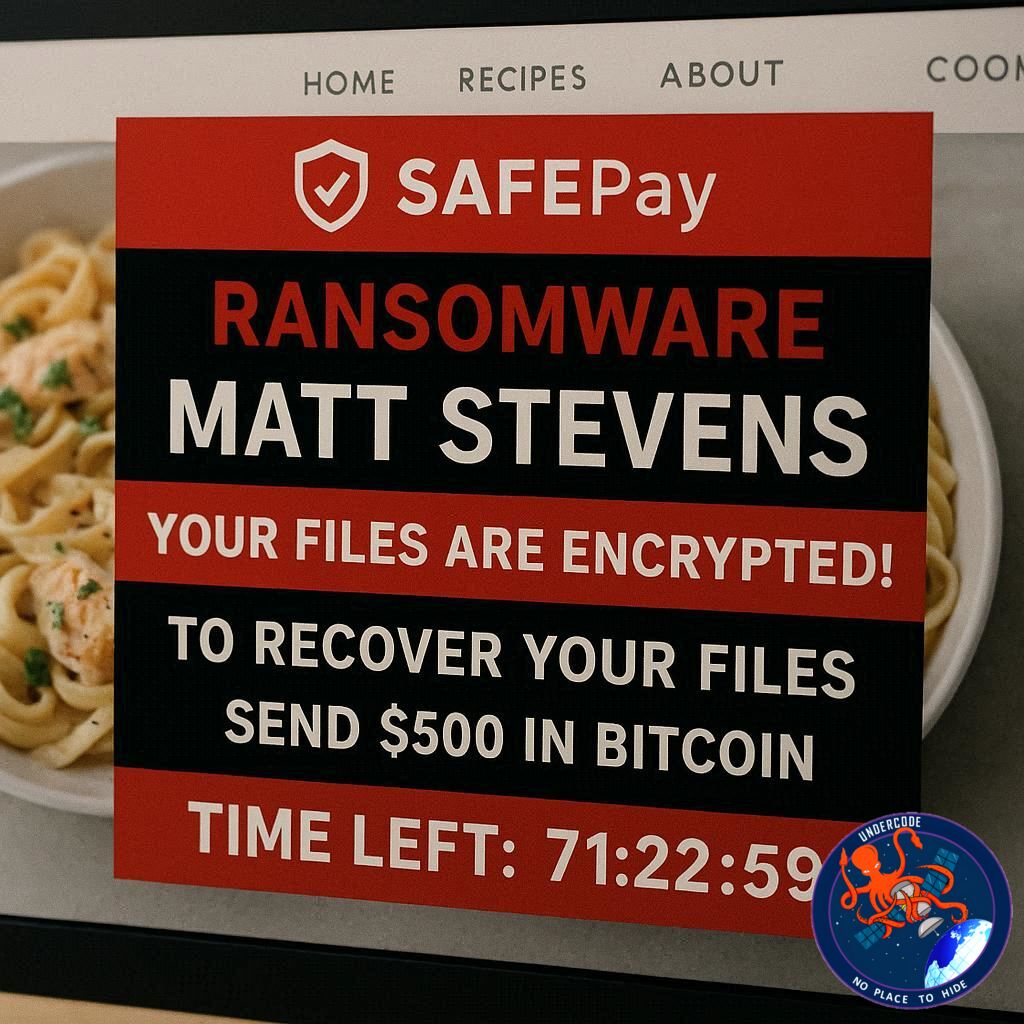
Introduction: Rising Cyber Threats in the Culinary World
In a worrying turn of events for online food and lifestyle brands, the popular website Matt and Steve’s, known for its artisanal food products and cocktails, has fallen victim to a major ransomware attack. The cybercriminal group behind this breach, Safepay, has reportedly added the site to its growing list of targets. This incident highlights how even niche lifestyle and culinary platforms are not immune to the increasing sophistication of ransomware operations.
the Incident
On March 17, 2026, at 20:20 UTC+3, the Safepay ransomware group successfully infiltrated http://mattandsteve.com
, according to data from the ThreatMon Threat Intelligence Team. Matt and Steve’s website, which markets itself as “Home of The Extreme Bean,” is celebrated for delivering high-quality, fresh ingredients, often featured in cocktails, charcuterie boards, or as premium snack items.
The attack was detected through ThreatMon’s end-to-end threat intelligence platform, which monitors Indicators of Compromise (IOC) and Command & Control (C2) data. Safepay ransomware has been trending in dark web circles for targeting lifestyle and small-to-medium-sized businesses that may lack robust cybersecurity defenses.
This breach has been noted publicly on social platforms, highlighting the growing concern for consumers and businesses alike. While the number of views on the initial report is still moderate, the event underscores how ransomware groups are rapidly diversifying their targets beyond traditional corporate or financial sectors.
Matt and Steve’s team has yet to release an official statement detailing the full scope of the breach or whether user data has been compromised. Meanwhile, the attack has drawn attention from cybersecurity analysts and enthusiasts, as it illustrates the increasing reach of ransomware into lifestyle brands that are often seen as low-risk targets.
What Undercode Says: Analyzing the Implications of the Safepay Attack
Ransomware Evolution Targets Niche Markets
Unlike conventional ransomware attacks aimed at large corporations or government institutions, Safepay is demonstrating that smaller, niche websites can be just as lucrative. Matt and Steve’s, while not a massive enterprise, houses sensitive customer data including purchase history and payment information, making it a prime target.
Operational Tactics of Safepay
ThreatMon data suggests Safepay’s attacks are highly organized. By leveraging IOC and C2 tracking, they can maintain persistent access and demand ransoms efficiently. The group likely uses advanced encryption techniques to lock website files, threatening permanent data loss if demands are unmet.
Brand Reputation and Consumer Trust
For Matt and Steve’s, the ransomware attack could have long-lasting effects on consumer trust. Customers may hesitate to make purchases if they feel their data is not secure, impacting revenue and brand loyalty. Recovery will require both technical restoration and a carefully managed public relations strategy.
Financial Implications
Ransom payments for ransomware attacks can range from thousands to millions of USD. While the exact demand in this case is undisclosed, even the operational cost of downtime, IT remediation, and cybersecurity upgrades could be substantial for a small-to-medium business like Matt and Steve’s.
Wider Industry Impacts
The attack signals a broader cybersecurity trend: lifestyle brands, small e-commerce sites, and food-related businesses are increasingly targeted. Companies must prioritize cybersecurity, even if their operations appear low-risk, to avoid similar incidents.
Regulatory and Legal Considerations
Depending on data privacy laws and the region, Matt and Steve’s could face legal ramifications if sensitive customer data was exposed. Proactive communication with regulatory bodies and affected users is critical to minimize potential fines and liability.
Cybersecurity Awareness for SMEs
This incident is a reminder that even businesses focusing on artisanal products must invest in robust cybersecurity measures. Regular backups, intrusion detection systems, and employee training can significantly reduce risk exposure.
Social Media Amplification
Trending mentions on platforms like X Corp. highlight how ransomware attacks can quickly become public relations crises. Awareness and transparency are essential to maintain credibility.
Dark Web Dynamics
Safepay’s presence on dark web forums emphasizes that ransomware operations are increasingly commercialized. They are not only technically sophisticated but also strategic in targeting businesses with perceived vulnerabilities.
Lessons for Other Brands
Other small-to-medium brands can learn from this incident by auditing their own cybersecurity posture. Even seemingly harmless websites can attract sophisticated cybercriminal groups looking to exploit weaknesses for profit.
Future Prevention Strategies
Investment in AI-based monitoring tools, like ThreatMon, and endpoint security solutions can help detect early signs of intrusion. Proactive threat intelligence sharing among peer businesses can also strengthen community defenses.
Psychological Impact on Consumers
Beyond financial losses, ransomware attacks can erode consumer confidence. Brands need to actively communicate their security posture and recovery measures to reassure customers.
Operational Continuity Planning
Matt and Steve’s must implement robust business continuity plans to minimize downtime and maintain operational functionality during ransomware crises.
Emerging Threat Trends
The attack shows a trend where attackers diversify targets from traditional corporate sectors to lifestyle and food markets. The adaptability of groups like Safepay is a wake-up call for SMEs worldwide.
Importance of Threat Intelligence
Platforms like ThreatMon are becoming essential tools for early detection and mitigation. Access to dark web monitoring allows businesses to anticipate potential threats before they escalate.
Corporate Responsibility and Transparency
Brands must demonstrate responsibility by keeping stakeholders informed. Silence or delays in response can amplify reputational damage.
Insurance Implications
Cyber insurance may cover some costs associated with ransomware attacks, but premiums are likely to rise as attacks like this increase in frequency.
Technology and Human Factor
While technology is critical, human awareness remains the weakest link. Staff education on phishing and social engineering is crucial for preventing ransomware infiltration.
Collaboration with Law Enforcement
Engaging law enforcement early can aid in tracking down attackers and mitigating broader cybercrime risks.
Long-Term Strategic Response
Post-attack, businesses must analyze vulnerabilities and implement long-term security frameworks to prevent recurrence.
Industry Benchmarking
SMEs should compare their cybersecurity practices against industry standards to identify gaps and adopt best practices.
Communication with Customers
Transparent updates on recovery efforts reassure customers and maintain brand loyalty.
Investment in Cybersecurity Infrastructure
Investing in firewalls, secure cloud services, and AI-driven monitoring tools can significantly reduce risk exposure.
Backup Strategy Optimization
Regular, encrypted backups stored offsite are essential to mitigate the impact of ransomware attacks.
Cross-Sector Implications
Even non-tech sectors must acknowledge that cyber threats are universal, requiring preparedness across industries.
Employee Training Programs
Training programs focused on cybersecurity awareness can prevent common human errors exploited by ransomware groups.
Importance of Regular Security Audits
Periodic audits of systems, software, and network security are crucial to identifying vulnerabilities before attackers do.
Vendor Risk Management
Third-party vendors can be attack vectors; ensuring their security standards match yours is essential.
Role of AI in Cyber Defense
AI-based threat detection can identify anomalies faster than traditional methods, offering a crucial advantage against ransomware.
Financial Resilience Planning
Businesses must maintain financial strategies to absorb losses from potential cyberattacks without jeopardizing survival.
Psychological Preparedness
Organizations should prepare management and staff for rapid response to reduce panic and improve decision-making during attacks.
Learning from Competitors
Observing how peer businesses respond to ransomware can provide valuable lessons and effective recovery strategies.
Holistic Security Approach
Integrating technology, human training, and threat intelligence into a comprehensive security framework is the most effective defense against ransomware.
Conclusion of Analysis
The Safepay ransomware attack on Matt and Steve’s illustrates a growing threat landscape where niche lifestyle brands are increasingly vulnerable. Proactive cybersecurity, awareness, and strategic planning are critical to surviving and thriving in this evolving environment.
🔍 Fact Checker Results
✅ Safepay ransomware targeting Matt and Steve’s is confirmed by ThreatMon Threat Intelligence.
✅ Matt and Steve’s is a niche culinary brand specializing in fresh ingredients and artisanal products.
❌ No official statement has been released regarding data compromise or ransom demands.
📊 Prediction
Ransomware attacks on niche lifestyle brands like Matt and Steve’s will likely increase in 2026, as cybercriminals expand beyond traditional corporate targets. Businesses investing in AI-driven threat intelligence, regular backups, and staff cybersecurity training will be better positioned to mitigate financial and reputational damage.
🕵️📝✔️Let’s dive deep and fact‑check.
References:
Reported By: x.com
Extra Source Hub (Possible Sources for article):
https://www.digitaltrends.com
Wikipedia
OpenAi & Undercode AI
Image Source:
Unsplash
Undercode AI DI v2
Bing
🔐JOIN OUR CYBER WORLD [ CVE News • HackMonitor • UndercodeNews ]
📢 Follow UndercodeNews & Stay Tuned:
𝕏 formerly Twitter 🐦 | @ Threads | 🔗 Linkedin | 🦋BlueSky | 🐘Mastodon


