
Listen to this Post
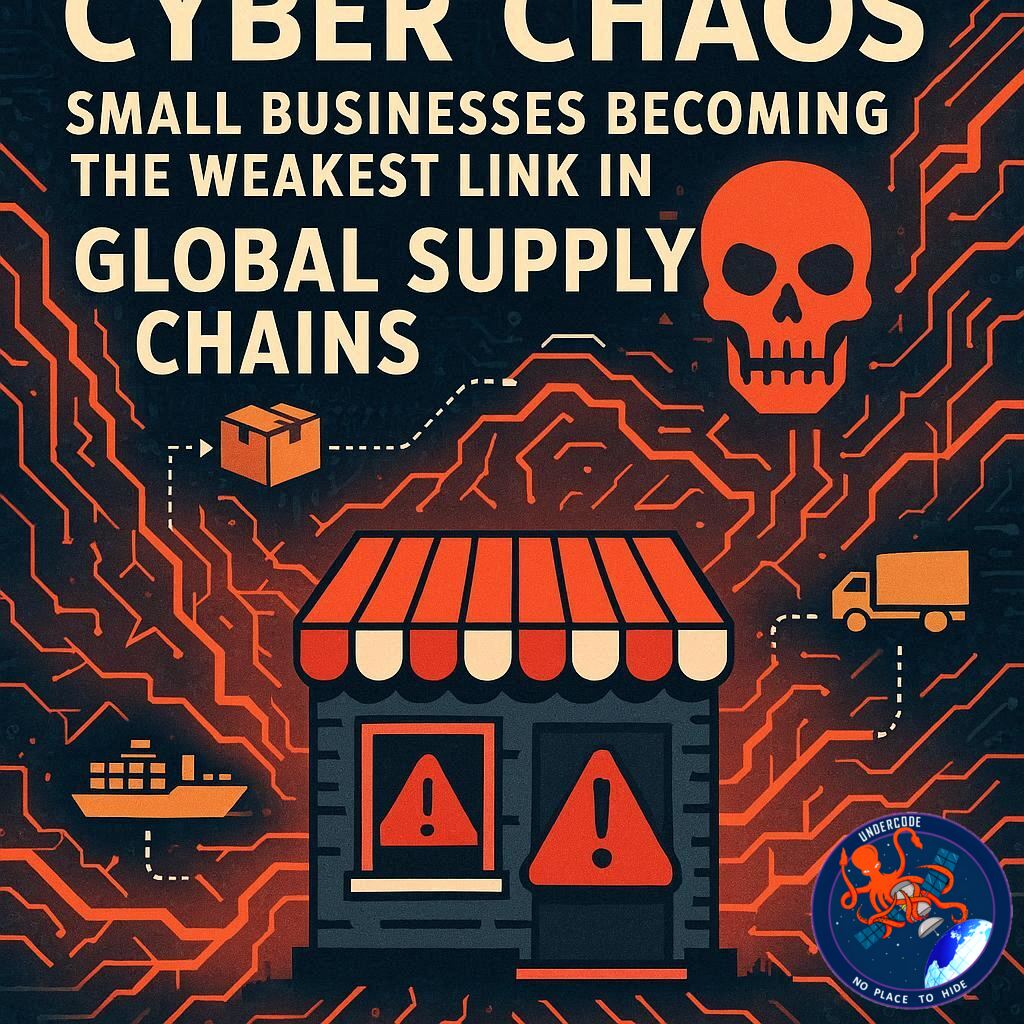
Introduction: A Silent Crisis Growing Behind the Scenes
Small and medium-sized businesses (SMBs) are increasingly finding themselves at the center of a dangerous cybersecurity storm. Once considered too small to be targeted, these organizations are now prime entry points for cybercriminals seeking access to larger, more lucrative networks. As digital transformation accelerates across industries, SMBs are being pulled into complex supply chains—often without the necessary defenses to withstand modern cyber threats. The result is a growing wave of attacks that exploit their vulnerabilities, disrupt operations, and threaten sensitive data on a massive scale.
The Original Report: Rising Threats and Alarming Incidents
Recent cybersecurity updates highlight a concerning trend: SMBs are no longer peripheral targets but strategic gateways for attackers. Experts emphasize that these businesses frequently connect with larger enterprises, making them ideal stepping stones for infiltrating broader systems. As a result, cybercriminals are shifting their focus toward these smaller entities, exploiting weaker defenses and limited resources.
One key recommendation is the adoption of scalable cybersecurity practices. Unlike rigid systems, scalable solutions allow SMBs to grow their defenses alongside their operations. This includes implementing stronger authentication protocols, regular system updates, and employee awareness training. Another crucial strategy is engaging fractional Chief Information Security Officers (CISOs). These part-time experts provide high-level security guidance without the cost of a full-time executive, helping businesses build structured defense frameworks.
Equally important is recovery planning. Many SMBs focus heavily on prevention but fail to prepare for worst-case scenarios. Having a well-defined recovery plan ensures that operations can resume quickly after an attack, minimizing financial and reputational damage.
In parallel, a specific incident underscores the severity of the threat landscape. The Akira ransomware group has reportedly targeted The Decorative Paving Company, claiming to have stolen 20GB of sensitive data. This data allegedly includes employee identification records, project details, and financial information. The attackers have threatened to leak the data unless a ransom is paid, illustrating the high-stakes pressure tactics commonly used in modern cybercrime.
Such incidents are becoming increasingly frequent, demonstrating that no sector is immune. From construction firms to service providers, SMBs across industries are being drawn into the crosshairs of sophisticated threat actors. The combination of limited cybersecurity maturity and high-value connections makes them particularly attractive targets.
What Undercode Say: The Strategic Weakness Nobody Wants to Admit
The Illusion of “Too Small to Hack”
For years, SMBs operated under a dangerous misconception: that cybercriminals would overlook them in favor of larger corporations. That illusion has now collapsed. Attackers have evolved, realizing that breaching a smaller company often requires less effort while yielding indirect access to high-value networks. In many cases, SMBs are not the final target—they are merely the opening door.
Supply Chains as the New Battlefield
Modern supply chains are deeply interconnected ecosystems. A vulnerability in one vendor can ripple across an entire network. Cybercriminals understand this dynamic and are actively exploiting it. By compromising a single SMB, attackers can move laterally into larger organizations, bypassing robust security systems that would otherwise be difficult to penetrate directly.
Fractional CISOs: A Smart but Underused Solution
The concept of fractional CISOs represents a practical evolution in cybersecurity strategy. Many SMBs cannot afford a full-time security executive, but they still need expert guidance. Fractional CISOs bridge this gap, offering strategic oversight, risk assessment, and incident response planning at a fraction of the cost. However, adoption remains uneven, often due to lack of awareness rather than lack of necessity.
Ransomware’s Psychological Warfare
The Akira incident highlights a critical shift in ransomware tactics: psychological pressure. By threatening to release sensitive data, attackers exploit fear, reputation damage, and legal consequences. This strategy often forces companies into difficult decisions, where paying the ransom may seem like the least damaging option—even though it fuels further criminal activity.
The Cost of Inaction Is Rising
Ignoring cybersecurity is no longer a viable option for SMBs. The financial impact of a breach can be devastating, especially when factoring in downtime, legal liabilities, and loss of customer trust. What’s more concerning is that many SMBs still treat cybersecurity as an IT issue rather than a core business risk.
Recovery Planning: The Missing Piece
While prevention is essential, resilience depends on recovery. Businesses that survive cyberattacks are those that plan for them. Backup systems, incident response protocols, and communication strategies can make the difference between a temporary disruption and a permanent shutdown.
Human Error Remains the Weakest Link
Despite advancements in technology, human error continues to be a leading cause of breaches. Phishing attacks, weak passwords, and lack of awareness create easy entry points for attackers. Training employees is not optional—it is a fundamental layer of defense.
The Urgency of a Cultural Shift
Ultimately, cybersecurity must become part of organizational culture. It is not just about tools and policies but about mindset. Every employee, from entry-level staff to executives, must understand their role in protecting the organization.
🔍 Fact Checker Results
Verified Trend of SMB Targeting
✅ SMBs are increasingly targeted as entry points into larger supply chains.
Confirmed Use of Ransomware Tactics
✅ Data theft combined with extortion is a common modern cyberattack strategy.
No Public Confirmation of Full Data Leak
❌ Claims of the exact 20GB breach remain unverified publicly.
📊 Prediction
Escalation of Supply Chain Attacks
Cybercriminals will continue to prioritize SMBs as strategic access points, leading to more frequent and sophisticated supply chain breaches.
Growth of Cybersecurity-as-a-Service
Fractional CISOs and outsourced security solutions will become standard for SMBs seeking affordable protection.
Regulatory Pressure Will Increase
Governments are likely to impose stricter cybersecurity requirements on SMBs, especially those connected to critical infrastructure.
Ransomware Will Become More Aggressive
Attackers will intensify psychological tactics, including public data leaks and targeted harassment, to maximize ransom payments.
🕵️📝✔️Let’s dive deep and fact‑check.
References:
Reported By: x.com
Extra Source Hub (Possible Sources for article):
https://www.github.com
Wikipedia
OpenAi & Undercode AI
Image Source:
Unsplash
Undercode AI DI v2
Bing
🔐JOIN OUR CYBER WORLD [ CVE News • HackMonitor • UndercodeNews ]
📢 Follow UndercodeNews & Stay Tuned:
𝕏 formerly Twitter 🐦 | @ Threads | 🔗 Linkedin | 🦋BlueSky | 🐘Mastodon


