
Listen to this Post
Introduction: A Silent Breach With Massive Consequences
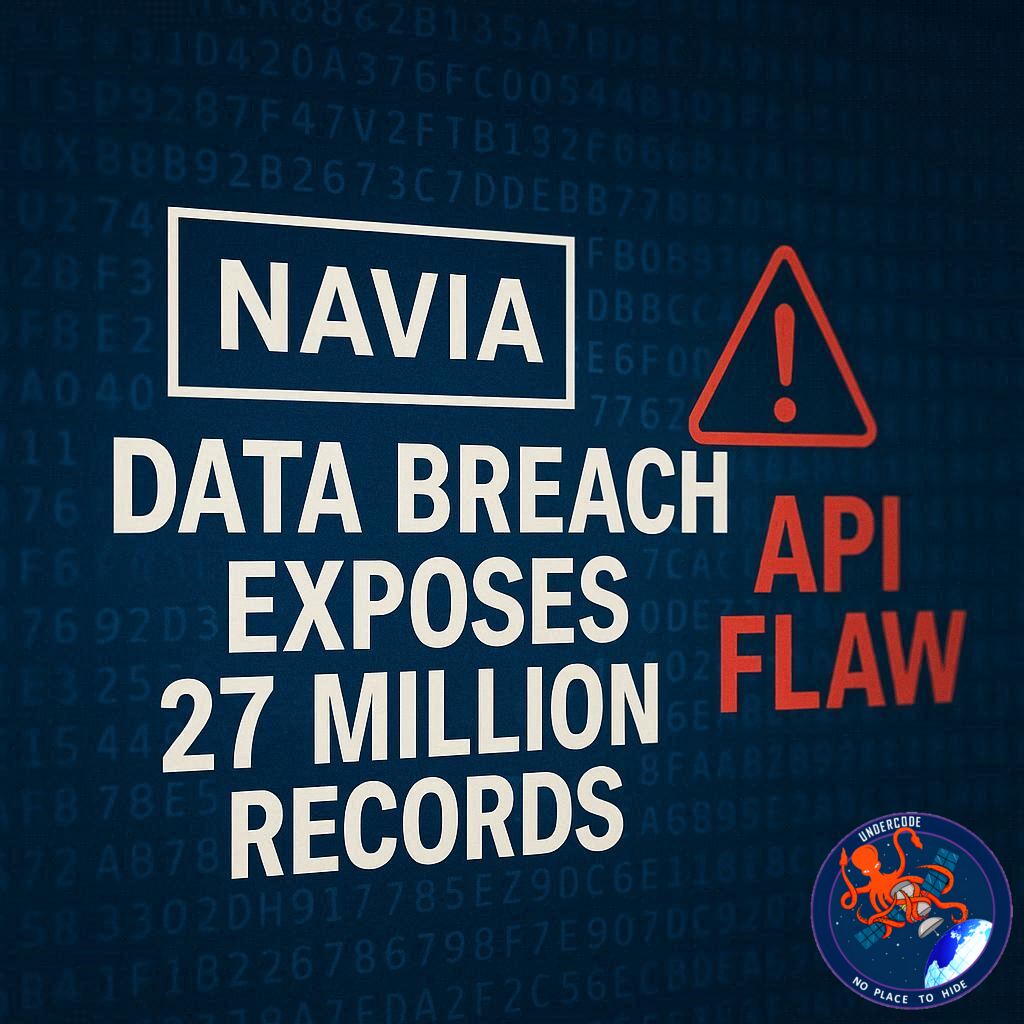
In an era where digital infrastructure underpins essential services, even a small vulnerability can lead to large-scale consequences. The recent data breach at Navia Benefit Solutions highlights this reality with alarming clarity. Affecting approximately 2.7 million individuals, the incident was not the result of ransomware or destructive malware, but rather a quiet, prolonged intrusion through an overlooked API vulnerability. What makes this breach particularly concerning is not just the number of people impacted, but the depth and sensitivity of the exposed information.
Summary of the Incident
Navia Benefit Solutions has confirmed a significant data breach caused by unauthorized access to its systems through a vulnerable API endpoint. The attacker exploited this weakness to gain read-only access, meaning no data was altered or deleted, but a vast amount of sensitive information was silently extracted. This passive intrusion allowed the attacker to remain undetected for an extended period, increasing the scope of exposure.
The company clarified that no direct financial data such as bank account numbers or credit card information was accessed, and health claims data remained untouched. However, the breach still involved a substantial volume of personally identifiable information and health-related data, making it highly sensitive. The compromised records include full names, dates of birth, home addresses, phone numbers, email addresses, Social Security numbers, and Navia-specific identification numbers.
In addition, detailed benefit-related data was exposed, including participation in programs like FSAs, HRAs, COBRA enrollments, and even termination dates. These records date back to 2018, affecting both current and former participants. As a third-party administrator serving over 10,000 employers across the United States, Navia holds extensive datasets tied to employee benefits, amplifying the scale of the breach.
Upon detecting unusual system activity, Navia launched an internal investigation and brought in external forensic experts to assess the damage. The company also notified federal law enforcement and regulatory bodies, including the U.S. Department of Health and Human Services. Affected individuals and employers were informed, and Navia began offering 12 months of free identity protection and credit monitoring services through Kroll.
To mitigate further risk, the company fixed the API vulnerability, enforced stronger authentication mechanisms, and temporarily suspended new participant registrations. Enhanced monitoring systems have also been deployed to detect suspicious access patterns moving forward.
Despite these efforts, cybersecurity experts warn that the nature of the exposed data creates a high risk of targeted phishing attacks and identity theft. The combination of personal identifiers and detailed benefit information provides attackers with the tools needed to craft highly convincing social engineering campaigns.
What Undercode Say:
The Navia breach is a textbook example of how modern cybersecurity threats are evolving. Gone are the days when attackers relied solely on loud, disruptive tactics like ransomware. Today’s threat actors often prefer stealth, exploiting overlooked weaknesses such as APIs to quietly harvest valuable data over time.
APIs have become the backbone of modern applications, enabling seamless communication between systems. However, they also introduce new attack surfaces that organizations frequently underestimate. In this case, a single vulnerable endpoint provided access to millions of sensitive records, demonstrating how critical API security has become.
Another important aspect is the nature of the stolen data. While financial credentials were not directly accessed, the exposed combination of Social Security numbers, personal contact details, and benefit information is arguably more dangerous in the long term. This type of data enables attackers to build detailed profiles of victims, which can be used for identity theft, account takeovers, and highly personalized phishing attacks.
The breach also highlights a common misconception in cybersecurity: that “read-only” access is less harmful. In reality, data exfiltration without modification can be even more dangerous because it often goes unnoticed for longer periods. This delay increases the volume of stolen data and reduces the chances of early containment.
Navia’s response shows a standard but necessary approach to incident handling. Engaging forensic experts, notifying authorities, and offering identity protection services are all expected steps. However, these actions are reactive rather than preventive. The real lesson lies in the need for proactive security measures, particularly around API management, authentication, and monitoring.
From an enterprise perspective, this incident underscores the importance of implementing strict access controls, continuous monitoring, and regular security audits. API endpoints should never be treated as secondary components; they are often the front doors to critical systems.
For individuals affected by the breach, the risks extend far beyond immediate fraud. Social Security numbers and historical data cannot be easily changed, making them valuable for long-term exploitation. Attackers may choose to sit on this data, using it months or even years later when vigilance has decreased.
This breach also reinforces the growing importance of zero-trust security models. Organizations must assume that threats can originate both externally and internally, and access should always be verified, monitored, and limited. Multi-factor authentication and anomaly detection are no longer optional; they are essential.
Ultimately, the Navia incident is not just about one company’s failure. It reflects a broader issue in the digital ecosystem where convenience and rapid deployment often outpace security considerations. As APIs continue to power modern services, their protection must become a top priority rather than an afterthought.
Fact Checker Results
✅ The breach affected approximately 2.7 million individuals and was linked to an API vulnerability.
✅ No direct financial data or health claims were accessed, but sensitive personal and benefit data was exposed.
❌ The claim that read-only access reduces risk is misleading; it can still lead to severe long-term consequences.
Prediction
🔮 API-related breaches will increase as more companies rely on interconnected systems without fully securing endpoints.
🔮 Attackers will increasingly favor silent data exfiltration over disruptive attacks like ransomware.
🔮 Organizations will shift toward stricter zero-trust architectures and advanced API monitoring to prevent similar incidents.
🕵️📝✔️Let’s dive deep and fact‑check.
References:
Reported By: cyberpress.org
Extra Source Hub (Possible Sources for article):
https://www.linkedin.com
Wikipedia
OpenAi & Undercode AI
Image Source:
Unsplash
Undercode AI DI v2
Bing
🔐JOIN OUR CYBER WORLD [ CVE News • HackMonitor • UndercodeNews ]
📢 Follow UndercodeNews & Stay Tuned:
𝕏 formerly Twitter 🐦 | @ Threads | 🔗 Linkedin | 🦋BlueSky | 🐘Mastodon


