
Listen to this Post
Introduction
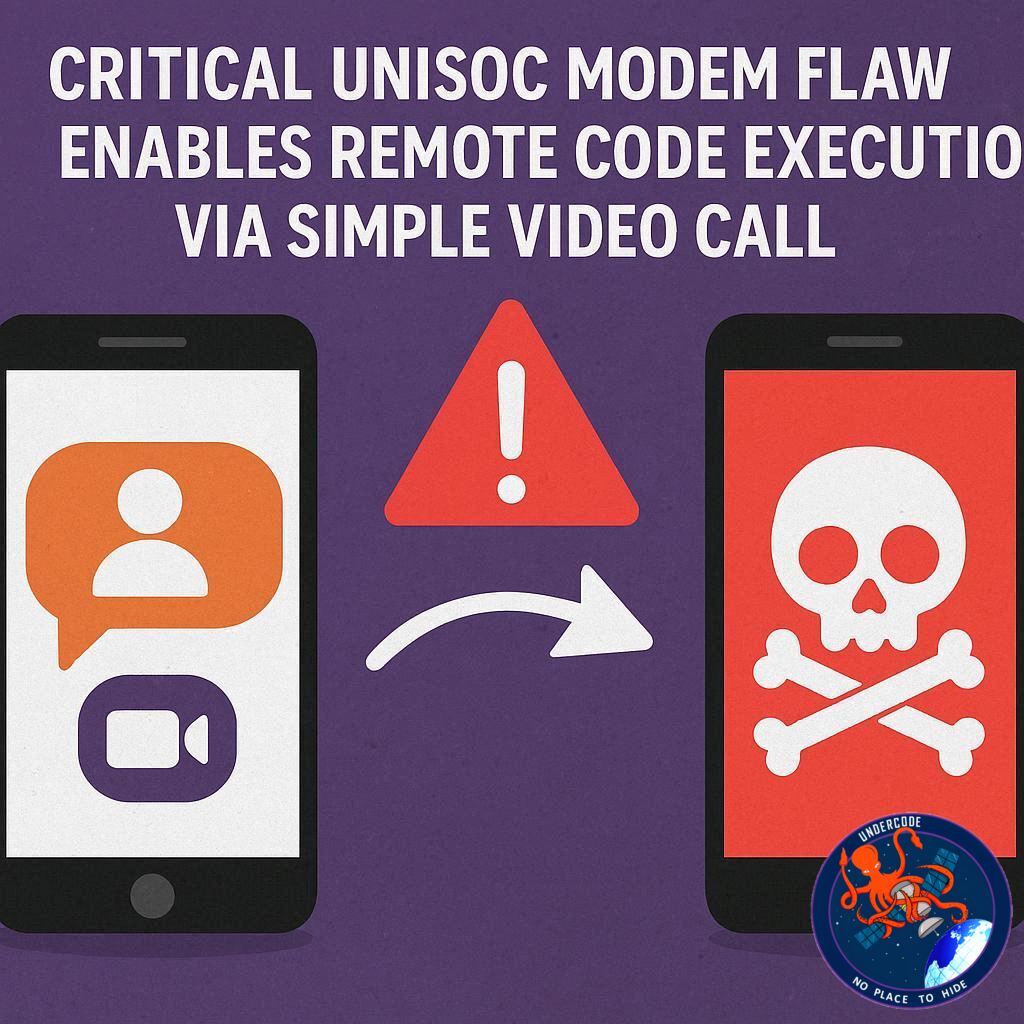
A newly uncovered vulnerability in UNISOC modem chipsets has exposed a dangerous weakness at the very core of mobile communication. Unlike typical Android security issues, this flaw exists below the operating system, inside the baseband firmware responsible for handling cellular connections. What makes this discovery particularly alarming is its simplicity: a single malicious video call over the cellular network can silently compromise a device. With millions of budget and mid-range smartphones relying on UNISOC chipsets, the implications stretch far beyond a niche technical concern into a widespread global security risk.
Summary of the Original Report
The vulnerability affects UNISOC’s T612 modem family and allows remote code execution through a memory corruption flaw triggered by malformed signaling data. UNISOC, a major Shanghai-based semiconductor vendor, supplies chipsets used in devices from brands such as realme, Motorola, Samsung, Honor, and vivo. Its presence is especially strong in emerging markets, significantly expanding the potential attack surface.
At the core of the issue lies a flaw in the modem firmware’s SIP and SDP parsing logic. Specifically, an uncontrolled recursion vulnerability exists in a function responsible for decoding SDP attributes. This function processes a nonstandard attribute called “acap” and can recursively call itself without enforcing limits. An attacker can exploit this by crafting a malicious SDP payload containing numerous such attributes, leading to excessive stack usage.
As the recursion continues unchecked, the modem’s internal memory structure becomes unstable. Eventually, the stack of one task collides with another, causing a stack overflow within the real-time operating system running the baseband. This overflow allows attackers to overwrite critical function pointers and redirect execution flow.
To demonstrate the exploit, researchers injected ARM Thumb shellcode into the modem using specially crafted SDP fields. The attack is delivered entirely through the cellular signaling layer, specifically via IMS and VoLTE protocols. By sending a malicious SIP INVITE message containing the crafted SDP, an attacker can trigger the vulnerability remotely.
The testing setup included a simulated mobile network using Open5GS, Kamailio, and a LimeSDR-based 4G cell. The attacker device registers to the IMS network and sends a malicious video call request. On the victim device, a realme C33 with the UNISOC T612 chipset and up-to-date Android patches, answering the call initiates the exploit. The modem crashes and eventually executes the injected payload, confirmed through memory analysis.
The issue has been verified in a specific firmware version and is believed to affect multiple UNISOC chipsets, including T612, T616, T606, and T7250. Despite attempts by researchers to contact UNISOC, no official response or patch has been released. As a result, affected devices remain vulnerable to remote compromise through something as simple as receiving a video call.
What Undercode Say:
A Vulnerability Below the Surface
This flaw highlights a persistent blind spot in mobile security. While users and vendors often focus on Android-level vulnerabilities, the baseband layer operates with high privileges and minimal visibility. It functions independently from the main OS, meaning even fully updated devices can remain exposed if the modem firmware is flawed.
The Real Danger of Baseband Exploits
Unlike traditional app-based attacks, baseband vulnerabilities are extremely difficult to detect and mitigate. Once compromised, the attacker gains deep control over the device’s communication layer. This opens the door to call interception, SMS monitoring, and even location tracking without triggering typical security alerts.
Silent and Remote Attack Vector
The fact that exploitation can occur through a simple video call is particularly concerning. There is no need for user interaction beyond answering the call, and in some scenarios, even that requirement could potentially be bypassed. This transforms the attack into a highly scalable and stealthy threat.
Emerging Markets at Higher Risk
UNISOC chipsets are widely used in affordable smartphones, especially in developing regions. These users are often less likely to receive timely updates or switch devices frequently, making them prime targets for long-term exploitation campaigns.
Lack of Vendor Response
Equally troubling is the absence of communication from UNISOC. Responsible disclosure channels appear to have failed in this case, leaving users and manufacturers without guidance. This delay increases the window of exposure and raises concerns about supply chain accountability.
Exploitation Complexity vs Impact
While the proof-of-concept setup requires technical expertise and specialized equipment, this barrier is unlikely to remain high. Once weaponized, such exploits can be packaged into automated attack frameworks, lowering the skill threshold for attackers.
Persistence Beyond Forensics
Because the attack operates at the modem level, it may evade traditional forensic tools. Even factory resets or OS reflashing may not fully remove the compromise, giving attackers persistent access that is extremely difficult to detect or eliminate.
A Wake-Up Call for the Industry
This incident reinforces the need for stronger scrutiny of baseband firmware. Chipset vendors must adopt transparent security practices, including timely patching and public advisories. Meanwhile, device manufacturers should not rely solely on Android updates as a security shield.
Fact Checker Results
✅ The vulnerability involves an uncontrolled recursion flaw leading to stack overflow in UNISOC modem firmware.
✅ Exploitation via SIP/SDP in VoLTE signaling is technically accurate and demonstrated in a controlled lab setup.
❌ No official patch or vendor response has been confirmed at the time of reporting.
Prediction
The discovery of this vulnerability is likely to trigger increased research into baseband security, an area that has historically received less attention. Over the next year, more similar flaws may surface as researchers dig deeper into modem firmware implementations.
At the same time, pressure will mount on chipset manufacturers like UNISOC to improve transparency and response times. Regulatory bodies and large OEMs may begin enforcing stricter security requirements for embedded communication components.
If left unaddressed, this type of vulnerability could become a preferred method for advanced surveillance operations, particularly in regions where affected devices are most common.
🕵️📝✔️Let’s dive deep and fact‑check.
References:
Reported By: cyberpress.org
Extra Source Hub (Possible Sources for article):
https://www.medium.com
Wikipedia
OpenAi & Undercode AI
Image Source:
Unsplash
Undercode AI DI v2
Bing
🔐JOIN OUR CYBER WORLD [ CVE News • HackMonitor • UndercodeNews ]
📢 Follow UndercodeNews & Stay Tuned:
𝕏 formerly Twitter 🐦 | @ Threads | 🔗 Linkedin | 🦋BlueSky | 🐘Mastodon


