
Listen to this Post
 Introduction: A Modern Parenting Question in the Age of Social Media
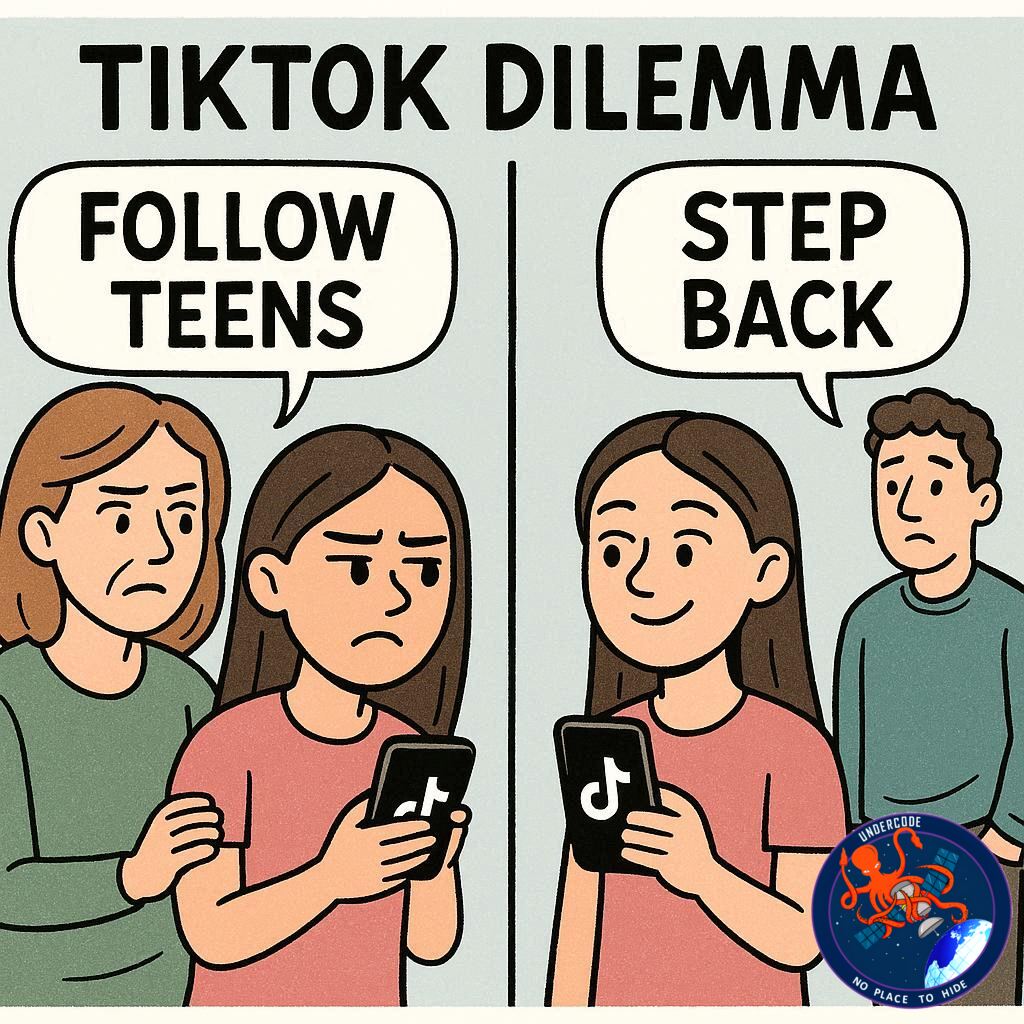
In today’s hyper-connected world, parenting has expanded far beyond the physical home. Platforms like TikTok have become central to teenage life—spaces where identities are shaped, friendships evolve, and trends explode overnight. For parents, this raises a pressing and often uncomfortable question: should you follow your teenager on TikTok to keep them safe, or does that risk crossing a boundary that could damage trust?
This is not just about social media—it’s about autonomy, communication, and the delicate balance between protection and independence. Understanding how to navigate this digital terrain is becoming one of the defining challenges of modern parenting.
the Original
The article explores the complex decision parents face when considering whether to follow their teenagers on TikTok. While it may seem like a straightforward way to monitor activity and ensure safety, the reality is far more nuanced. For many teens, TikTok represents a personal space—a digital extension of their social lives where they interact freely with peers, often in ways that adults may not fully understand.
Psychological insights suggest that TikTok can have both positive and negative effects on teenagers. It can foster creativity, belonging, and self-expression, but it can also expose them to harmful content, unrealistic comparisons, and addictive behaviors. Parents often feel compelled to observe their child’s online environment to better understand these influences and intervene when necessary.
Following a teen on TikTok can provide parents with insight into trends, humor, and peer dynamics. It may also help identify potential risks such as cyberbullying, dangerous challenges, or exposure to inappropriate content. Additionally, it can serve as a starting point for meaningful conversations about online behavior, peer pressure, and digital identity.
However, the act of following a teenager is not always perceived positively. Many teens view it as an invasion of privacy or a form of surveillance. This can lead to self-censorship, discomfort, or even the creation of secondary private accounts hidden from parents. The result may be less transparency rather than more.
Teenagers are at a developmental stage where autonomy is crucial. Feeling constantly monitored can weaken trust and reduce openness in the parent-child relationship. Social media behavior is also often curated—teens may maintain a “safe” public account for family while engaging more authentically in private circles.
Even well-intentioned parental interactions, such as commenting on posts, can embarrass teens and create social discomfort. Over-monitoring may push teens to withdraw and rely more heavily on peer validation instead of parental guidance.
Experts emphasize that the quality of the relationship matters more than the level of monitoring. Open communication, mutual respect, and transparency are key. Instead of silently observing, parents are encouraged to have honest conversations about social media use and boundaries.
Alternative approaches include discussing trends, setting clear guidelines, and using built-in safety tools like privacy settings and content filters. These methods allow parents to stay involved without undermining trust.
In some cases, following a teen may be appropriate—especially if done openly and with consent. The critical factor is how the action is framed: as support rather than control.
Ultimately, the article concludes that trust, communication, and balanced protection are far more effective than constant surveillance. Technology can assist in safeguarding teens, but it should complement—not replace—a strong parent-child relationship.
What Undercode Say:
The Illusion of Control in Digital Parenting
Parents often believe that following their teenager on social media provides control and visibility, but this perception can be misleading. In reality, digital platforms are layered environments where teens can easily adapt their behavior depending on who is watching. The presence of a parent rarely reveals the full picture—it simply shifts it.
Why Teens Create “Dual Identities” Online
A growing behavioral pattern among teenagers is the creation of multiple accounts: a public-facing version and a private, more authentic one. This phenomenon reflects a deeper psychological need to separate authority figures from peer interactions. Following a teen may only grant access to a filtered version of their life, giving parents false reassurance.
Trust vs. Surveillance: A Fragile Balance
Trust is not built through observation—it is built through dialogue. When parents prioritize monitoring over communication, they risk creating an environment where teens feel judged rather than supported. Over time, this can lead to secrecy, which defeats the original goal of ensuring safety.
The Psychological Cost of Feeling Watched
Constant awareness of being observed can alter teenage behavior significantly. Instead of expressing themselves freely, teens may begin to curate their personalities, suppress opinions, or avoid sharing altogether. This doesn’t eliminate risk—it simply relocates it to less visible spaces.
The Real Risks Go Beyond Content
While much focus is placed on videos and trends, the more serious dangers often occur behind the scenes—through direct messages, phishing links, scams, and manipulation. These threats are less visible and cannot be mitigated simply by following an account.
Communication as a Preventative Tool
Parents who actively engage in discussions about online experiences tend to build stronger awareness in their children. Conversations about trends, influencers, and viral content encourage critical thinking, helping teens evaluate what they see instead of passively consuming it.
The Role of Digital Literacy in Modern Parenting
Teaching teens how algorithms work, how content is curated, and how online manipulation happens is far more powerful than passive monitoring. Digital literacy equips them with long-term skills that extend beyond any single platform.
When Following Can Actually Work
Following a teenager can be effective when it is mutual, transparent, and respectful. If the relationship is already strong, this act may be seen as supportive rather than intrusive. Timing and context play a crucial role—sudden interest after years of disengagement often raises suspicion.
Technology as a Silent Guardian
Instead of direct monitoring, many parents are turning to cybersecurity tools that operate in the background. These solutions can detect threats without interfering in social dynamics, allowing teens to maintain independence while staying protected.
The Shift from Authority to Partnership
Modern parenting is evolving from a model of control to one of collaboration. Teens respond better when they feel included in decisions about their digital lives rather than being subjected to them. This shift is essential in maintaining long-term trust.
Social Media Is Not the Core Problem
TikTok is simply a medium. The real issue lies in how relationships adapt to digital environments. A strong parent-child bond can withstand the challenges of any platform, while a weak one will struggle regardless of monitoring strategies.
🔍 Fact Checker Results
Verified Psychological Insights ✅
Experts widely agree that autonomy is a critical developmental need during adolescence, and excessive monitoring can negatively impact trust.
Mixed Impact of Social Media ✅
Research confirms that platforms like TikTok can both support self-expression and expose users to harmful influences, depending on usage patterns.
Monitoring vs. Communication ❌
The belief that monitoring alone improves safety is misleading—evidence suggests open communication is significantly more effective.
📊 Prediction
The Future of Parenting in a Platform-Driven World
As social media continues to evolve, the debate around monitoring versus trust will intensify. Future platforms will likely offer more built-in parental controls, but teenagers will also become more sophisticated in navigating around them. The most successful parenting strategies will not rely on technology alone but will focus on emotional intelligence, communication, and digital education. Parents who adapt to this shift—moving from surveillance to guidance—will be better positioned to help their children thrive in an increasingly complex online world.
🕵️📝✔️Let’s dive deep and fact‑check.
References:
Reported By: www.bitdefender.com
Extra Source Hub (Possible Sources for article):
https://www.facebook.com
Wikipedia
OpenAi & Undercode AI
Image Source:
Unsplash
Undercode AI DI v2
Bing
🔐JOIN OUR CYBER WORLD [ CVE News • HackMonitor • UndercodeNews ]
📢 Follow UndercodeNews & Stay Tuned:
𝕏 formerly Twitter 🐦 | @ Threads | 🔗 Linkedin | 🦋BlueSky | 🐘Mastodon


