
Listen to this Post
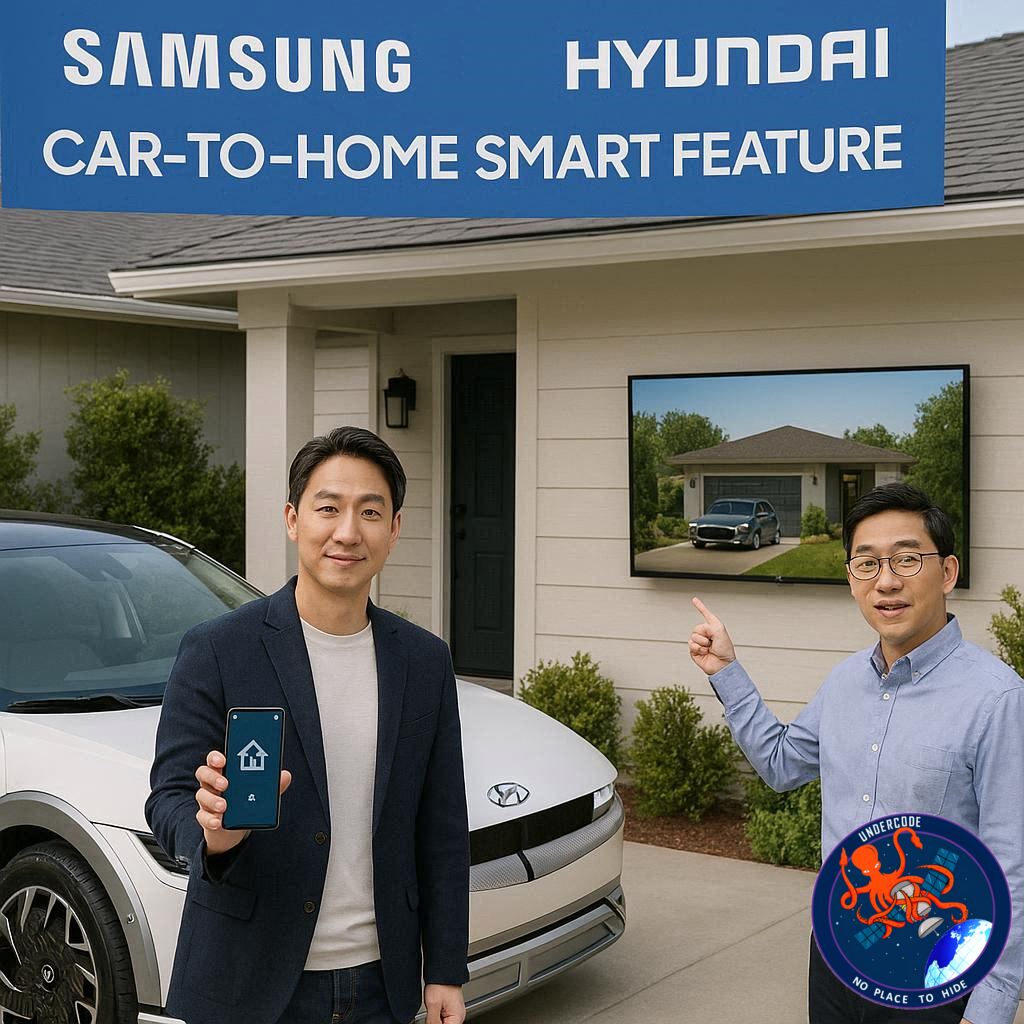
Samsung and Hyundai are taking smart living to a whole new level with their latest innovation. Imagine being able to turn on your home appliances while driving back from work, all from your car’s infotainment system. This isn’t a futuristic dream—it’s now a reality thanks to the Car-to-Home feature, a collaboration between Samsung and Hyundai Motor Group, which includes Hyundai and Kia vehicles. This groundbreaking technology seamlessly integrates your car with your smart home, giving you unprecedented control over your household devices even before you step through the door.
the Innovation
Samsung and Hyundai Motor Group have joined forces to expand their smart ecosystem with the new Car-to-Home feature. This system allows drivers to control SmartThings-enabled appliances, including air conditioners, air purifiers, robot vacuum cleaners, and lights, directly from their car’s infotainment system. By linking devices through the SmartThings app using a simple QR code scan, users can set up Routines to automate tasks. For instance, all home AC units can turn off when the driver leaves, and the robot vacuum can start cleaning the house automatically.
This feature builds on a previous Samsung-Hyundai initiative called Home-to-Car, which allowed homeowners to control their vehicles through smart home devices. Currently, Car-to-Home is available on select Hyundai Motor Group vehicles in South Korea. Samsung aims to expand this integration globally and may collaborate with other car manufacturers in the future, extending smart home connectivity beyond the Korean market.
The convenience of this technology lies in its seamless automation. Users no longer need to manually switch off or on devices when leaving or arriving home. Instead, routines handle these operations, enhancing energy efficiency and household management. As smart homes become increasingly sophisticated, this innovation represents a key step toward a fully connected lifestyle, blending automotive technology with everyday domestic convenience.
The integration also enhances safety and usability. Drivers can manage household appliances without being distracted, as the system is embedded within the car’s existing infotainment interface. Moreover, it creates opportunities for broader smart city applications, linking homes, vehicles, and possibly urban infrastructure in the near future.
Samsung’s SmartThings platform is central to this technology, highlighting the company’s commitment to ecosystem-based innovation. By using standardized apps and interfaces, users can adopt a range of devices without worrying about compatibility issues. This opens the door to a new era of automated home management, all triggered from the driver’s seat.
Energy conservation is another potential benefit. Automating appliance schedules helps reduce unnecessary energy consumption, which can lead to lower utility bills and a smaller carbon footprint. For instance, ensuring ACs are switched off when no one is home or lights operate on optimized schedules demonstrates practical sustainability.
The Car-to-Home feature also points to a future where personal data and digital control converge. Samsung and Hyundai must prioritize cybersecurity to prevent unauthorized access to home systems via connected vehicles. As smart homes become more integrated, protecting user privacy becomes essential, and these companies’ approaches will set industry standards.
What Undercode Says:
Expanding the Smart Ecosystem
Samsung and Hyundai’s Car-to-Home feature represents a significant expansion of the connected ecosystem. By bridging automotive and home technology, the companies are redefining convenience for consumers. The real value lies in automation, where routine tasks happen without human intervention, saving time and reducing stress.
Market Positioning and Consumer Appeal
This feature positions both brands as leaders in innovation. Hyundai enhances its vehicles’ value proposition, while Samsung strengthens SmartThings’ role as a central hub for smart living. This synergy appeals to tech-savvy consumers who prioritize both comfort and efficiency.
Potential Global Reach
Although currently limited to South Korea, the Car-to-Home feature has global potential. As Samsung partners with other automakers, we may soon see widespread adoption, especially in markets where smart homes are already common.
Competitive Edge in Automotive Tech
The integration of smart home control into vehicles offers Hyundai and Kia a unique competitive advantage. It’s no longer just about performance or design—connectivity and lifestyle integration are becoming key differentiators in the automotive industry.
Future of Automated Living
Looking ahead, Car-to-Home could evolve into a fully synchronized lifestyle system. Imagine preheating the oven, starting laundry cycles, or adjusting lighting—all automatically as you approach your home. This could redefine the meaning of convenience in everyday life.
Technical and Security Considerations
While convenience is high, the system must ensure robust cybersecurity. Any breach could potentially expose both vehicle and home networks. Samsung and Hyundai’s continued investment in encryption and secure authentication will be critical to sustaining trust.
Energy Efficiency Benefits
By automating routines such as turning off appliances when leaving home, Car-to-Home promotes energy conservation. Over time, this could have a measurable impact on household energy bills and reduce environmental footprint.
Consumer Data Insights
With Car-to-Home, companies can gather anonymized usage data to optimize devices and vehicle features. This could inform future product development, making smart home devices even more adaptive and intelligent.
Enhancing Daily Convenience
Beyond energy savings, the system adds genuine lifestyle convenience. Routines can accommodate complex schedules, such as managing multiple appliances simultaneously, reducing human error and improving overall home management.
Cross-Industry Collaboration Model
This partnership demonstrates a new model for cross-industry innovation. By combining expertise from automotive and consumer electronics sectors, Samsung and Hyundai set a precedent for future collaborations that enhance user experience.
Accessibility and Usability
The QR code-based setup ensures easy access and onboarding. Even less tech-savvy users can adopt Car-to-Home without complicated installation procedures, widening its market appeal.
Integration with Existing Smart Devices
The reliance on SmartThings ensures compatibility with a broad range of devices. This makes it easier for consumers to adopt incremental upgrades to their smart homes without overhauling existing technology.
Potential for IoT Expansion
Car-to-Home could be a stepping stone toward broader Internet of Things (IoT) integration. Future iterations might link traffic data, weather forecasts, or utility management to preemptively adjust home appliances.
Lifestyle and Productivity Gains
By handling mundane tasks automatically, Car-to-Home frees up mental bandwidth for more meaningful activities. Users can leave home with peace of mind, knowing essential functions are taken care of remotely.
Brand Loyalty and Ecosystem Stickiness
Samsung and Hyundai strengthen their ecosystems by locking users into their platforms. Consumers invested in SmartThings and Hyundai/Kia vehicles may be less likely to switch brands, fostering long-term loyalty.
Challenges in Mass Adoption
Despite its advantages, adoption may be slow in regions with limited smart home penetration. Effective marketing and clear value propositions will be necessary to encourage uptake.
Potential for AI Integration
Integrating AI could make routines predictive, adjusting home settings based on habits, weather, or even mood, taking automation beyond static schedules to adaptive smart living.
Impact on Home Security
Remote control could enhance home security. Users can ensure lights and devices simulate occupancy while away, deterring potential intruders.
Future Car-to-Home Features
Samsung and Hyundai might expand beyond appliances to integrate entertainment, climate control, or even healthcare devices, making vehicles an extension of the home ecosystem.
Societal Implications
Widespread adoption could shift expectations around convenience, privacy, and digital control, influencing urban planning, energy policies, and smart city initiatives.
Innovation Benchmarking
This partnership sets a benchmark for automotive and home technology collaboration. Competitors will likely follow suit, pushing the industry toward integrated lifestyles.
Scalability and Device Support
Future scalability depends on expanding compatible devices and manufacturers. Broad adoption requires interoperability standards to be widely accepted and implemented.
Environmental Considerations
Automating energy use can contribute to sustainability goals. If scaled globally, the potential reduction in household energy consumption could be significant.
Consumer Education
Educating users about routines, energy-saving potential, and safety measures will be crucial for meaningful adoption. Clear guidance ensures maximum benefit from Car-to-Home features.
Technological Standardization
As more automakers adopt similar systems, standardization across vehicles and appliances will help streamline user experience and accelerate adoption.
Economic Impact
Enhanced smart home capabilities may influence vehicle pricing strategies, with features like Car-to-Home serving as premium differentiators.
Market Trend Alignment
Car-to-Home aligns with broader trends toward seamless integration of technology in daily life, enhancing brand relevance in a competitive tech landscape.
Long-Term Vision
Ultimately, Samsung and Hyundai are envisioning a future where vehicles are not just transportation tools but integral nodes in a connected lifestyle ecosystem.
User-Centric Innovation
The emphasis on convenience, efficiency, and control highlights a user-centric approach to innovation, ensuring technology adds tangible value to everyday life.
Ecosystem Synergy
This initiative demonstrates how cross-industry ecosystems can create products that transcend traditional sector boundaries, driving holistic user experiences.
Technological Leadership
Samsung and Hyundai position themselves as leaders at the intersection of automotive and smart home technology, setting a high bar for competitors.
Lifestyle Transformation Potential
With continued development, Car-to-Home could redefine modern living standards, making automated homes the norm rather than the exception.
🔍 Fact Checker Results
✅ Car-to-Home is officially announced by Samsung in partnership with Hyundai Motor Group.
✅ Current availability is limited to select vehicles in South Korea.
❌ There is no confirmation yet of expansion to other car manufacturers globally.
📊 Prediction
The Car-to-Home feature is likely to drive adoption of smart home technologies alongside Hyundai and Kia vehicles. Within the next 3–5 years, similar systems could become standard in premium vehicles, pushing the automotive and home appliance industries toward fully integrated IoT ecosystems and creating a new benchmark for lifestyle automation.
🕵️📝✔️Let’s dive deep and fact‑check.
References:
Reported By: www.sammobile.com
Extra Source Hub (Possible Sources for article):
https://www.quora.com
Wikipedia
OpenAi & Undercode AI
Image Source:
Unsplash
Undercode AI DI v2
Bing
🔐JOIN OUR CYBER WORLD [ CVE News • HackMonitor • UndercodeNews ]
📢 Follow UndercodeNews & Stay Tuned:
𝕏 formerly Twitter 🐦 | @ Threads | 🔗 Linkedin | 🦋BlueSky | 🐘Mastodon


