
Listen to this Post
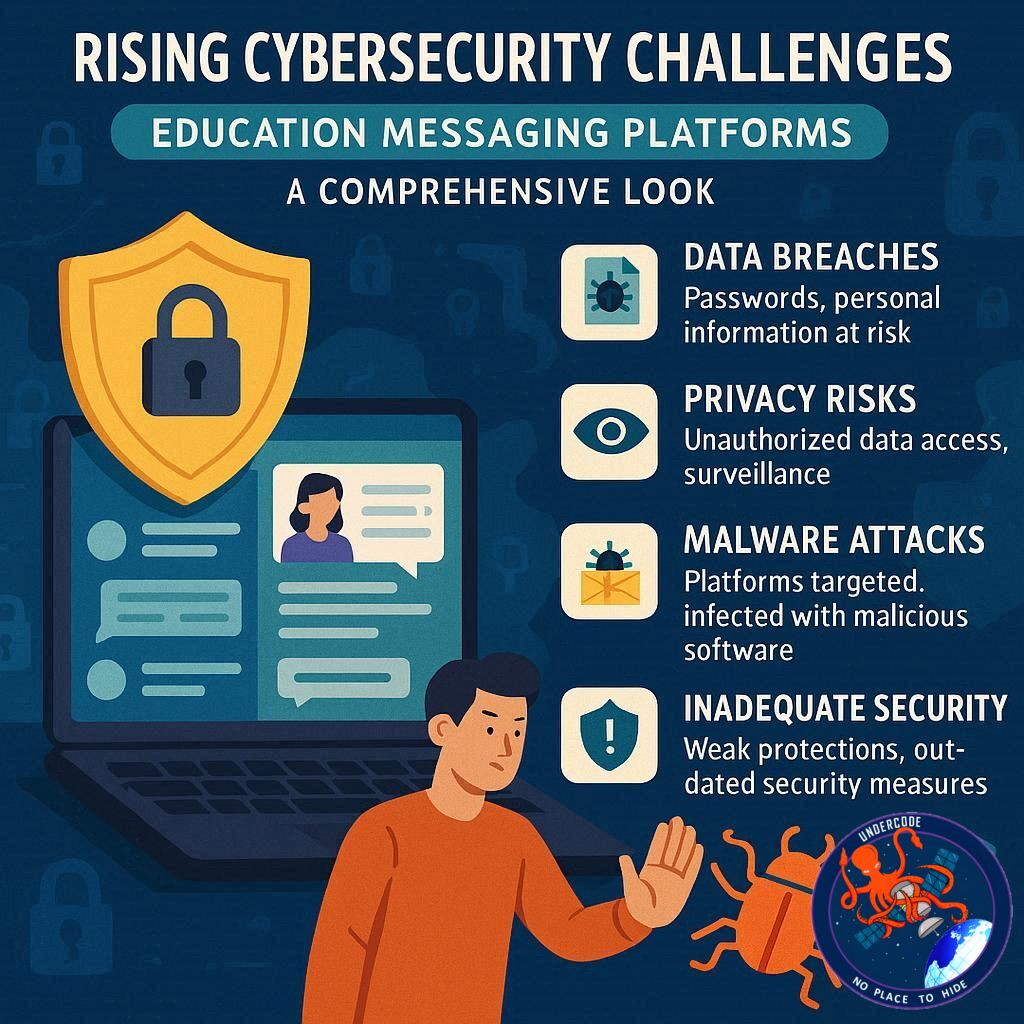
The digital landscape continues to evolve at a breakneck pace, presenting unique challenges for institutions and platforms alike. From universities juggling complex identity systems to messaging apps grappling with persistent threat actors, the stakes for cybersecurity are higher than ever. Understanding these risks—and the strategies to mitigate them—is crucial for protecting sensitive data, maintaining compliance, and staying ahead of cybercriminals.
Unique Identity Risks in Higher Education
Higher education institutions face an intricate web of identity management challenges. Many universities operate hybrid systems combining Active Directory and Entra ID, often alongside decentralized IT infrastructures. High staff and student turnover compounds the problem, increasing the likelihood of orphaned accounts—inactive or abandoned accounts that can be exploited by malicious actors. Automated governance solutions are increasingly essential, enabling institutions to maintain FERPA compliance and protect sensitive academic records while streamlining user access management.
Messaging Platforms and the Resilience of Threat Actors
In 2025, Telegram took decisive action to remove over 43 million channels, targeting criminal and malicious networks. While this enforcement temporarily disrupted cybercriminal activity, threat actors quickly adapted, resurfacing through gated access channels and backup networks. This illustrates a broader truth in cybersecurity: enforcement alone cannot eliminate sophisticated cybercriminal networks. Adaptive strategies and continuous monitoring remain critical for long-term threat mitigation.
Intersection of Technology and Cybercrime
The combination of vulnerable identity systems in higher education and the resilience of threat actors on messaging platforms highlights a crucial intersection. Both scenarios underscore the importance of automated monitoring, rapid response, and strategic governance. In education, automated tools prevent orphaned accounts from becoming security loopholes. In social platforms, proactive moderation and threat intelligence help contain criminal activity but require constant refinement to stay effective.
What Undercode Says:
Elevated Risk in Hybrid Identity Systems
Universities with hybrid Active Directory and Entra ID systems must recognize the amplified risks associated with decentralized IT and high turnover. Orphaned accounts are not just an administrative issue—they are an open invitation to cybercriminals. Institutions should prioritize automated governance to detect and remediate these vulnerabilities proactively.
Enforcement Limitations on Messaging Platforms
Telegram’s removal of 43 million channels highlights a key limitation: volume-based enforcement cannot fully eradicate threats. Cybercriminals rapidly adapt, exploiting overlooked channels and creating redundant access points. Continuous threat intelligence and adaptive moderation are crucial for long-term impact.
Compliance and Regulatory Considerations
FERPA and other privacy regulations impose strict requirements on data handling. Automated identity governance in higher education not only reduces risk but ensures compliance with federal mandates. This dual benefit—security and regulatory alignment—is increasingly vital as cyber threats grow in sophistication.
Emerging Threat Patterns
Threat actors now combine agility with persistence. The rise of backup channels and gated access mechanisms demonstrates a shift toward stealth and resilience. Security teams must anticipate these tactics and integrate adaptive strategies into their incident response plans.
Importance of Proactive Monitoring
Both education institutions and social platforms benefit from continuous monitoring and risk assessment. Detecting irregular activity before it escalates is far more effective than reactive measures. Automated alerts and AI-driven threat detection can significantly reduce exposure.
Long-Term Strategic Planning
Cybersecurity strategies must balance immediate response with long-term prevention. Investment in automated governance, threat intelligence, and workforce training creates a sustainable framework that adapts alongside emerging threats.
Collaboration Across Stakeholders
Universities, platform providers, and cybersecurity firms must collaborate to share insights and strengthen defenses. Threat intelligence sharing accelerates response times and reduces the effectiveness of criminal networks.
Role of User Education
End users—students, faculty, and platform participants—remain a critical line of defense. Awareness programs on phishing, secure credentials, and suspicious activity can dramatically reduce attack surfaces.
Technology Upgrades and Modernization
Legacy systems often introduce vulnerabilities that cybercriminals exploit. Upgrading identity management frameworks and integrating AI-driven monitoring solutions improves resilience against both internal and external threats.
Financial Implications of Cyber Incidents
Beyond data compromise, cyberattacks carry financial repercussions, including regulatory fines, remediation costs, and reputational damage. Proactive investment in cybersecurity often proves far more cost-effective than reactive recovery.
Integration of Advanced Analytics
Predictive analytics can anticipate potential breaches by analyzing account behaviors, access patterns, and network anomalies. Institutions leveraging these tools gain a strategic advantage in preventing attacks.
Threat Actor Motivation and Behavior
Understanding cybercriminal motivations—whether financial, political, or opportunistic—is key to designing effective defense strategies. Insights into behavioral patterns enable tailored interventions and improved mitigation.
Automation as a Force Multiplier
Automated governance and moderation systems extend the capabilities of IT teams, ensuring comprehensive coverage without increasing headcount. In high-turnover environments, this scalability is invaluable.
Cybersecurity as a Continuous Process
Cybersecurity is not a one-time fix but an ongoing process. Threat landscapes evolve rapidly, requiring regular audits, updates, and strategic recalibrations. Continuous investment is necessary to maintain security and compliance.
Adaptation to Emerging Threats
Criminal networks demonstrate remarkable adaptability. Institutions and platforms must mirror this agility, adopting flexible strategies capable of responding to new attack vectors without delay.
Interconnected Risks Across Sectors
The challenges faced by educational institutions and messaging platforms illustrate interconnected risks across sectors. Security failures in one domain can have cascading effects, emphasizing the importance of holistic cybersecurity strategies.
Balancing Security and Accessibility
Striking the right balance between user accessibility and strict security is crucial. Overly restrictive measures may hinder productivity, while lax policies increase vulnerability. Thoughtful governance frameworks navigate this trade-off.
Investment in Cybersecurity Talent
Skilled cybersecurity professionals are essential for implementing, monitoring, and refining defense strategies. Investment in training and recruitment ensures institutions can respond effectively to evolving threats.
Policy and Procedure Alignment
Aligning internal policies with cybersecurity best practices ensures consistency, accountability, and compliance. Clear procedures reduce human error—a common contributor to security breaches.
The Role of AI and Machine Learning
AI-driven tools offer predictive and preventative capabilities, analyzing vast datasets for anomalies and emerging threats. Adoption of AI enhances both speed and accuracy of threat detection.
Global Collaboration Against Cybercrime
Cybercriminal networks often operate internationally. Collaboration between governments, law enforcement, and private institutions strengthens collective defenses and disrupts transnational threats.
🔍 Fact Checker Results
Verification of Claims ✅
Telegram removed over 43 million channels in 2025: Verified.
Hybrid identity systems in universities increase orphaned account risks: Verified.
Enforcement alone cannot fully eradicate threat actors: Verified.
📊 Prediction
Cybersecurity in higher education and messaging platforms will increasingly rely on AI-driven automation and adaptive governance frameworks. Orphaned accounts and backup threat channels will remain primary targets for cybercriminals. Institutions investing in continuous monitoring, predictive analytics, and collaborative threat intelligence are likely to reduce breaches and maintain regulatory compliance more effectively than those relying solely on enforcement actions.
If you want, I can also create a more visually engaging version with charts and subheadings optimized for SEO to enhance readability and engagement for this article.
🕵️📝✔️Let’s dive deep and fact‑check.
References:
Reported By: x.com
Extra Source Hub (Possible Sources for article):
https://www.quora.com
Wikipedia
OpenAi & Undercode AI
Image Source:
Unsplash
Undercode AI DI v2
Bing
🔐JOIN OUR CYBER WORLD [ CVE News • HackMonitor • UndercodeNews ]
📢 Follow UndercodeNews & Stay Tuned:
𝕏 formerly Twitter 🐦 | @ Threads | 🔗 Linkedin | 🦋BlueSky | 🐘Mastodon


