
Listen to this Post
Introduction
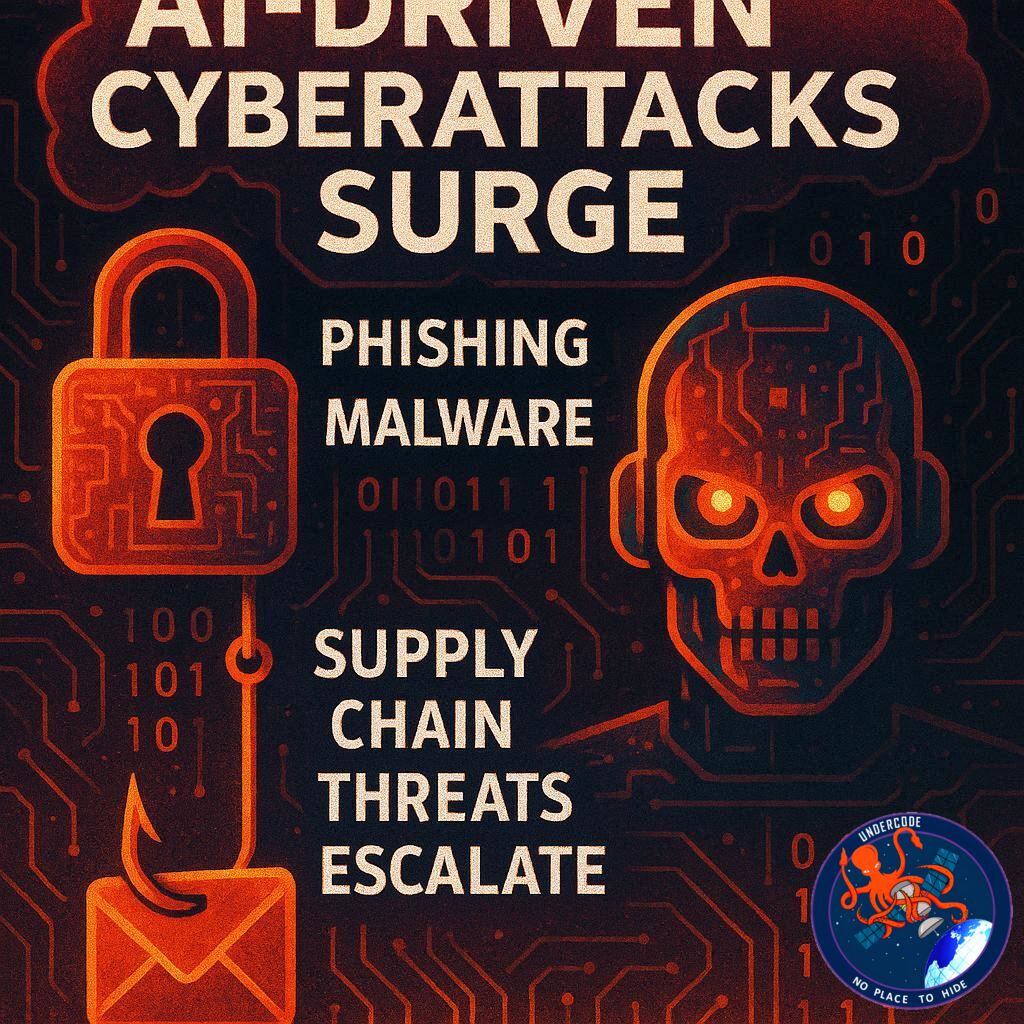
The cybersecurity landscape is evolving at a frightening pace. Artificial intelligence (AI) is now being weaponized to accelerate cyberattacks, while traditional weak points like identity theft continue to haunt organizations worldwide. Recent incidents, including a major supply chain breach affecting the LiteLLM Python package, highlight the growing complexity and scale of cyber threats. Businesses and individuals alike face unprecedented risks as attackers exploit both technology and human vulnerabilities.
Recent Cybersecurity Developments
AI is transforming the way cyberattacks are carried out. Large-scale phishing campaigns and automated malware distribution are becoming faster and more sophisticated, reducing the time it takes for attackers to breach systems. Identity theft remains a major vulnerability, often facilitated by infostealers—malicious software designed to harvest sensitive data—and access brokers, who trade stolen credentials on underground markets.
A particularly alarming trend is the targeting of supply chains. The LiteLLM Python package, versions 1.82.7 and 1.82.8, was recently compromised, resulting in the exfiltration of cloud credentials, API keys, and cryptocurrency wallets. Threat group TeamPCP has been linked to this attack, putting thousands of companies worldwide at risk. This incident underscores the fact that even widely trusted software libraries can become vectors for large-scale breaches.
Experts warn that organizations are often underprepared. Traditional defenses struggle to keep pace with AI-enhanced attacks, leaving gaps in both technological safeguards and human awareness. Attackers exploit these weaknesses with alarming efficiency, highlighting the critical need for proactive security measures.
Beyond technical vulnerabilities, geopolitical tensions and evolving regulatory landscapes add complexity to cybersecurity planning. Companies must not only defend against opportunistic hackers but also anticipate state-backed threat actors and coordinated campaigns targeting critical infrastructure.
The combination of AI-driven attack methods, weak identity protections, and supply chain vulnerabilities signals a turning point. Cybersecurity is no longer just about defending individual endpoints—it now requires integrated, adaptive strategies across networks, applications, and human behavior.
What Undercode Says:
AI as a Force Multiplier
Artificial intelligence is no longer a theoretical threat; it’s an operational reality. AI accelerates phishing campaigns by automatically crafting convincing messages tailored to individual targets. Malware can propagate rapidly across systems, often bypassing traditional antivirus tools. Organizations need AI-driven detection tools to match this new pace.
Identity Theft Remains the Achilles’ Heel
Despite advances in cybersecurity, identity theft continues to undermine defenses. Infostealers and access brokers exploit weak password hygiene, reused credentials, and inadequate monitoring. Multi-factor authentication and behavior-based detection can mitigate some risk, but human factors remain a persistent vulnerability.
Supply Chain Attacks Require Strategic Overhaul
The LiteLLM breach demonstrates that third-party software is a prime target for attackers. Companies must adopt strict vetting processes for dependencies, continuous monitoring, and rapid patching protocols to reduce exposure. Supply chain attacks amplify risk across multiple organizations simultaneously, making prevention crucial.
Geopolitical Implications of Cybersecurity
Cyber threats are increasingly influenced by geopolitical developments. Nation-state actors often leverage AI and cybercrime networks to achieve strategic objectives, from economic disruption to information warfare. Organizations with global operations must remain vigilant to threats originating beyond their immediate region.
Regulatory and Compliance Pressures
Regulations around data protection are intensifying. Compliance requirements, such as GDPR and CCPA, force organizations to secure sensitive data more rigorously. Failure to do so not only leads to legal penalties but also amplifies reputational damage when breaches occur.
Emerging Trends in Attack Tactics
Threat actors are combining AI with social engineering, exploiting human psychology alongside technical vulnerabilities. Phishing campaigns are increasingly personalized, while malware can evade detection through polymorphic coding. Security teams must adopt a proactive posture, anticipating attacks rather than reacting to them.
Organizational Preparedness and Resilience
The current cybersecurity landscape demands robust incident response planning. Organizations must develop resilience strategies that include continuous monitoring, rapid response, employee training, and collaboration with external threat intelligence providers.
Investment in Cybersecurity Innovation
AI can be a double-edged sword: while attackers use it to enhance operations, defenders can leverage it to detect anomalies, predict threats, and automate response. Strategic investment in AI-driven cybersecurity solutions is no longer optional—it’s a necessity for survival.
Human Factor as a Defense Layer
Employee education, awareness campaigns, and simulated attack exercises remain essential. Technology alone cannot prevent breaches if humans are unprepared. Cultivating a security-conscious culture is a critical layer of defense.
Integration Across Platforms
Organizations should focus on integrating security across all digital touchpoints. Cloud platforms, software dependencies, and endpoint devices must work in unison to detect and respond to threats in real time.
Cost of Inaction
The financial and reputational toll of breaches continues to rise. Attacks on credentials, cloud systems, and supply chains can disrupt operations, compromise customer trust, and lead to significant monetary losses.
Strategic Forecast
As attacks become faster, more automated, and AI-enhanced, organizations will need dynamic, predictive security models. Threat intelligence sharing and international collaboration will be key in mitigating risks.
The Need for Proactive Cyber Hygiene
Routine software updates, strong authentication measures, and continuous risk assessment are more critical than ever. Organizations cannot afford reactive approaches; proactive defense is the only viable path forward.
Automation and AI in Defense
While attackers exploit AI, defenders can deploy machine learning models to detect unusual network behavior, identify credential misuse, and neutralize threats before they escalate.
Long-Term Implications for Cybersecurity Workforce
Demand for skilled cybersecurity professionals will surge. Experts who can understand both AI-driven threats and human behavioral factors will be highly sought after.
Industry Collaboration
Sharing threat intelligence across sectors can reduce the likelihood of widespread breaches. Collective defense mechanisms will become a competitive advantage.
Cultural and Policy Implications
Organizations must embed cybersecurity in corporate culture and strategic planning. Policy frameworks should guide AI usage, software dependencies, and data protection to minimize vulnerabilities.
Cybersecurity as a Continuous Journey
There is no final state of security. Continuous adaptation, monitoring, and strategic investment are required to keep pace with evolving threats.
Balancing Accessibility and Security
Software libraries and cloud services must maintain usability without compromising security. Achieving this balance is essential to prevent inadvertent vulnerabilities.
Role of Threat Intelligence Platforms
Advanced threat intelligence platforms can correlate AI-enhanced attack patterns, providing early warnings and actionable insights to security teams.
Ethical Considerations
AI-driven attacks raise ethical questions about automation in criminal operations. Organizations must consider ethical frameworks when deploying AI for defensive purposes.
Need for Cross-Border Coordination
Cyber threats transcend national boundaries. International cooperation, shared intelligence, and standardized response protocols are critical to managing global risk.
Predictive Defense Models
AI can be used to create predictive models that anticipate attack vectors, helping organizations allocate resources efficiently and strengthen weak points proactively.
Investment in Security Research
Ongoing research into AI-driven attacks and countermeasures will be essential to staying ahead of threat actors. Innovation is the lifeline of cybersecurity resilience.
Enhancing Cloud Security
Cloud credentials and API keys are highly targeted. Organizations must implement strict access controls, monitor for anomalies, and apply encryption to protect sensitive data.
Supply Chain Vetting
Regular auditing of third-party software, libraries, and vendors is essential. Even minor lapses in vetting can create opportunities for large-scale breaches.
Conclusion
The cybersecurity landscape is at a critical juncture. AI-driven threats, identity theft, and supply chain vulnerabilities are converging to create an environment where reactive security is insufficient. Organizations must adopt adaptive, proactive, and integrated defense strategies to survive and thrive in this high-stakes digital world.
🔍 Fact Checker Results
✅ AI is increasingly used in cyberattacks, particularly phishing and malware automation.
✅ LiteLLM Python package versions 1.82.7 and 1.82.8 were compromised, exposing sensitive credentials.
✅ Infostealers and access brokers remain major contributors to identity theft and account breaches.
📊 Prediction
AI-enhanced cyberattacks will continue to grow in sophistication, targeting both technical vulnerabilities and human behavior. Organizations that fail to implement proactive, AI-assisted defense mechanisms will face increasing financial and operational risks. Supply chain attacks will rise, forcing companies to adopt stricter software vetting, continuous monitoring, and rapid incident response capabilities. Collaborative threat intelligence and predictive AI models will become the cornerstone of effective cybersecurity defense in the coming years.
🕵️📝✔️Let’s dive deep and fact‑check.
References:
Reported By: x.com
Extra Source Hub (Possible Sources for article):
https://www.quora.com
Wikipedia
OpenAi & Undercode AI
Image Source:
Unsplash
Undercode AI DI v2
Bing
🔐JOIN OUR CYBER WORLD [ CVE News • HackMonitor • UndercodeNews ]
📢 Follow UndercodeNews & Stay Tuned:
𝕏 formerly Twitter 🐦 | @ Threads | 🔗 Linkedin | 🦋BlueSky | 🐘Mastodon


