
Listen to this Post
Introduction
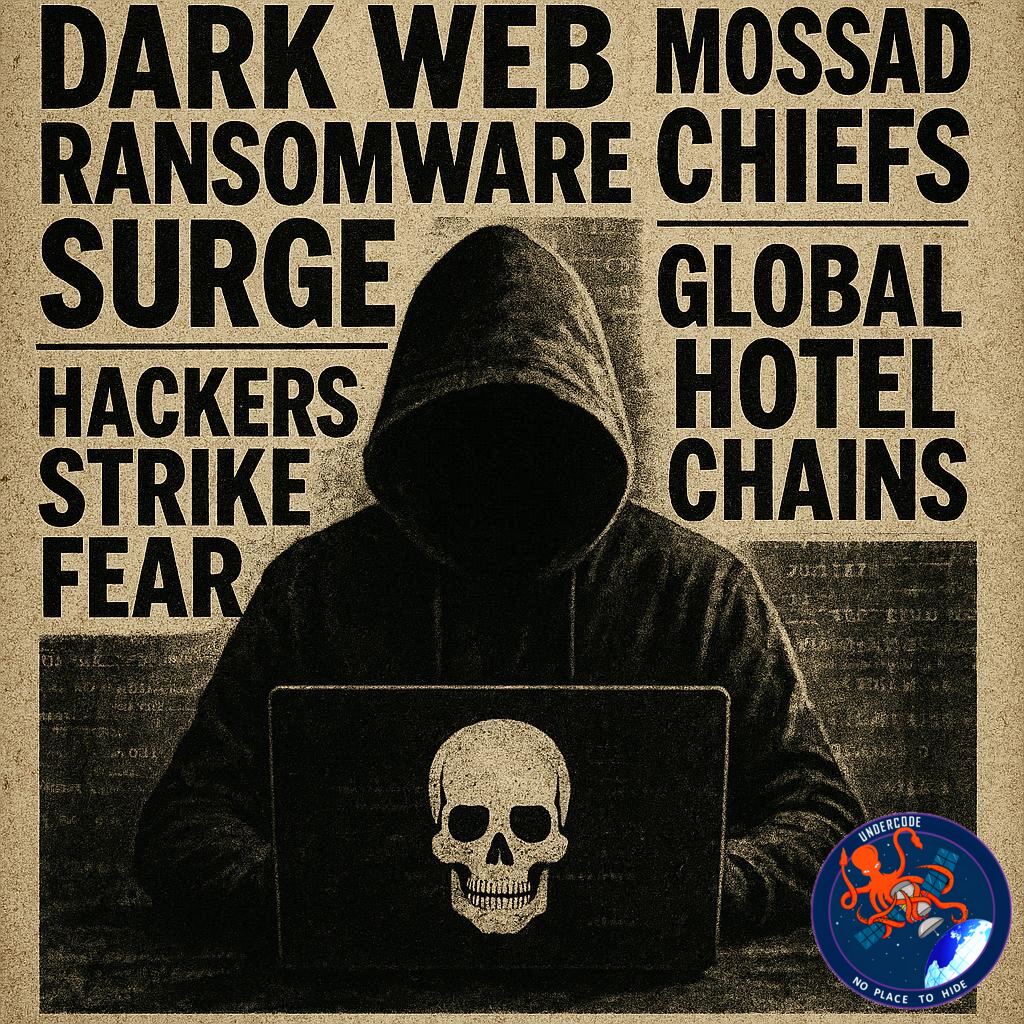
The dark web is witnessing an alarming escalation in ransomware attacks, targeting high-profile individuals and global businesses alike. In a shocking revelation, cybercriminal groups such as Handala and Qilin have expanded their reach, compromising sensitive data and demanding hefty ransoms. This wave of attacks underscores the persistent vulnerability of even the most secure organizations and exposes the evolving tactics of cybercrime syndicates.
Recent Attacks
On March 25, 2026, the Handala ransomware group reportedly targeted a highly sensitive case: the former chief of Mossad, Israel’s premier intelligence agency, fell victim in a high-stakes cyber operation titled From Hunter to Hunted: Mossad’s Former Chief Falls into the Trap. This incident, detected by the ThreatMon Threat Intelligence Team, highlights the audacity of ransomware actors who now focus on intelligence and governmental figures, previously considered relatively insulated from such threats.
Just a day later, on March 26, 2026, the Qilin ransomware group reportedly attacked Noi Hotels, marking a continuation of the trend where hospitality chains are prime targets due to their massive customer databases and payment information. ThreatMon’s platform flagged these attacks through indicators of compromise (IOC) and command-and-control (C2) data, confirming the sophistication of these operations.
Both incidents were documented and circulated across social media platforms, particularly X, signaling the cybercriminals’ dual aim: financial gain and public notoriety. The speed and precision of these attacks demonstrate a worrying increase in ransomware group capabilities, combining traditional encryption strategies with psychological warfare aimed at instilling fear in their targets.
This surge in ransomware incidents mirrors the broader global cybersecurity landscape, where organizations face not only financial risks but also reputational damage. Experts warn that even institutions with stringent cybersecurity protocols are increasingly vulnerable to evolving attack vectors, including zero-day exploits and insider threats leveraged by hacker syndicates.
The naming of victims, especially high-profile ones like former intelligence chiefs, marks a new era in cybercrime. This trend is expected to escalate, drawing attention from both governments and private cybersecurity firms aiming to develop rapid response and mitigation strategies. Meanwhile, the dark web thrives as the hub for ransomware negotiations, data sales, and leak announcements.
What Undercode Says: Analysis and Insights
Cybercriminal Tactics Evolving Rapidly
The Handala and Qilin incidents indicate that ransomware operators are no longer constrained by conventional targets. Intelligence figures and large-scale corporations alike are at risk, signaling a shift toward high-value, high-impact victims. The sophistication of these attacks suggests that attackers now combine technical expertise with strategic research, carefully choosing victims for maximum leverage.
ThreatMon’s Role in Detection
ThreatMon’s end-to-end threat intelligence platform demonstrates the increasing importance of real-time monitoring. The platform’s ability to detect IOC and C2 data highlights how proactive cyber defense mechanisms can help organizations anticipate attacks before they escalate, though gaps remain when dealing with state-level or high-profile targets.
Impact on National Security
The attack on Mossad’s former chief is particularly alarming. Cyberattacks on intelligence figures represent not just financial threats but also potential national security breaches. If such data were leaked or manipulated, it could have far-reaching geopolitical consequences, affecting diplomatic relations and operational secrecy.
Economic Repercussions for Corporations
The targeting of Noi Hotels illustrates the vulnerability of the hospitality sector. A successful ransomware attack can lead to operational downtime, customer mistrust, and significant monetary losses, often exceeding millions of USD. Companies now need to factor cybersecurity resilience into their financial planning and risk management strategies.
Dark Web as a Criminal Marketplace
These incidents reaffirm the dark web’s role as a facilitator of cybercrime. By publicizing victim lists and negotiating ransoms in anonymous forums, ransomware groups generate both fear and publicity. This environment makes it increasingly difficult for authorities to track perpetrators or enforce legal action effectively.
Psychological and Sociopolitical Impact
High-profile cyberattacks create a ripple effect of fear and uncertainty. By targeting intelligence figures and global brands, ransomware groups manipulate public perception and challenge the credibility of national cybersecurity defenses. The psychological warfare element is now as potent as the financial threat.
Emerging Threat Patterns
The current attacks reflect a hybrid approach: traditional encryption attacks combined with targeted, high-profile campaigns. Analysts predict that ransomware operators will increasingly adopt strategic targeting, focusing on individuals whose compromise can yield maximum influence, media attention, and ransom leverage.
Need for Enhanced Cybersecurity Measures
Organizations must move beyond conventional cybersecurity protocols. Threat modeling, advanced endpoint detection, and AI-driven anomaly monitoring are becoming essential in defending against sophisticated ransomware campaigns.
International Collaboration and Policy Implications
Governments must strengthen cross-border cybersecurity collaboration. Sharing threat intelligence and jointly developing countermeasures could mitigate the risks posed by international ransomware syndicates operating from the dark web.
Long-Term Implications
If unchecked, these ransomware campaigns could redefine cybersecurity norms, forcing corporations and governments alike to adopt more aggressive defensive postures. The financial, operational, and reputational stakes are higher than ever.
🔍 Fact Checker Results
✅ Handala ransomware targeting Mossad’s former chief confirmed by ThreatMon Threat Intelligence Team.
✅ Qilin ransomware attack on Noi Hotels validated through IOC and C2 data reports.
❌ No independent confirmation of ransom amounts or public data leaks at this stage.
📊 Prediction
Ransomware attacks on high-profile targets will likely increase in 2026, blending financial motives with geopolitical disruption. Intelligence figures, government agencies, and global corporations remain prime targets. Organizations investing in AI-driven cybersecurity, threat intelligence sharing, and rapid incident response are more likely to withstand future attacks, while those relying on outdated defense systems face escalating operational and reputational risks.
🕵️📝✔️Let’s dive deep and fact‑check.
References:
Reported By: x.com
Extra Source Hub (Possible Sources for article):
https://www.reddit.com
Wikipedia
OpenAi & Undercode AI
Image Source:
Unsplash
Undercode AI DI v2
Bing
🔐JOIN OUR CYBER WORLD [ CVE News • HackMonitor • UndercodeNews ]
📢 Follow UndercodeNews & Stay Tuned:
𝕏 formerly Twitter 🐦 | @ Threads | 🔗 Linkedin | 🦋BlueSky | 🐘Mastodon


