
Listen to this Post
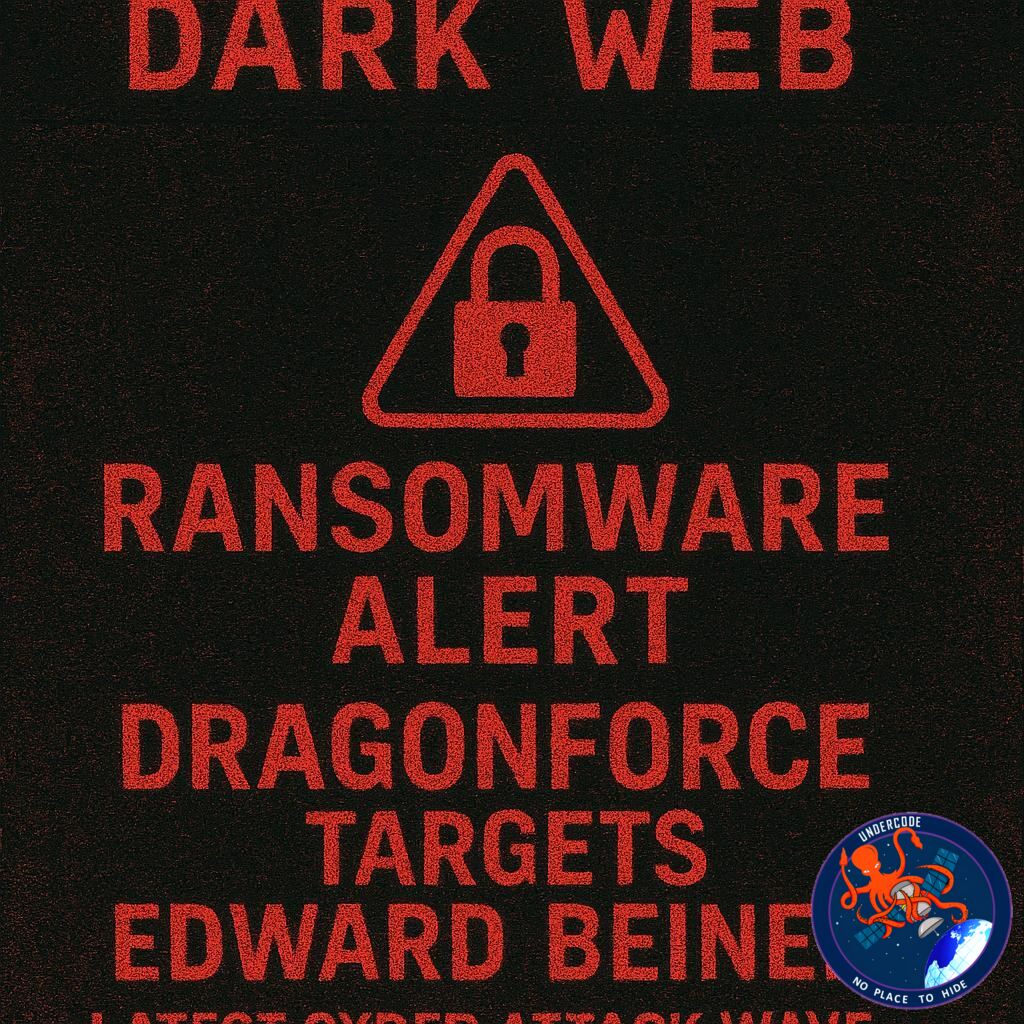
Introduction: A Growing Storm in the Cybersecurity Landscape
The digital world continues to face an escalating wave of ransomware attacks, with threat actors becoming more organized and aggressive. On March 27, 2026, a new alert surfaced from cybersecurity monitors highlighting a concerning development: the ransomware group known as DragonForce has allegedly added Edward Beiner to its list of victims. This incident is part of a broader trend of targeted cyberattacks affecting businesses across industries, from luxury retail to global hospitality. As ransomware groups evolve their tactics, each new claim raises urgent questions about data security, operational resilience, and the true scale of cybercrime on the dark web.
the Original Report
Recent threat intelligence findings reveal that the ransomware group DragonForce has reportedly targeted Edward Beiner, a well-known luxury eyewear brand. The activity was detected by the ThreatMon Threat Intelligence Team, which specializes in monitoring dark web operations and ransomware campaigns. The report indicates that the attack was identified on March 27, 2026, at approximately 15:10 UTC+3, with public acknowledgment surfacing shortly after.
The announcement was shared through cybersecurity tracking channels, noting that DragonForce had officially listed Edward Beiner among its victims. While the exact nature of the breach remains unclear—whether it involves data exfiltration, system encryption, or both—the inclusion of the company on a ransomware leak site typically suggests that sensitive data may have been compromised or is being held hostage.
In parallel, another ransomware group known as WorldLeaks reportedly targeted Sheraton Hotel on the same day, further illustrating a surge in coordinated cybercriminal activity. These incidents highlight how attackers are simultaneously striking multiple sectors, including retail and hospitality, to maximize disruption and financial gain.
The ThreatMon platform, which monitors indicators of compromise (IOC) and command-and-control (C2) infrastructure, flagged both incidents as part of ongoing dark web ransomware campaigns. Such platforms play a critical role in identifying emerging threats before they escalate into larger crises.
Despite the reports, there has been no official confirmation from Edward Beiner or Sheraton Hotel regarding the attacks at the time of writing. This is not uncommon, as organizations often take time to investigate breaches internally before issuing public statements. Nevertheless, the listing of these companies on ransomware group platforms is typically treated as a serious warning signal within the cybersecurity community.
The situation underscores the increasing sophistication of ransomware operations. Groups like DragonForce are known for leveraging double-extortion tactics, where they not only encrypt systems but also threaten to release stolen data unless a ransom is paid. This strategy significantly raises the stakes for targeted organizations, as reputational damage can be as severe as operational disruption.
Overall, the report paints a picture of a rapidly evolving threat landscape, where even established and reputable brands are not immune to cyberattacks. It also highlights the importance of proactive cybersecurity measures, threat monitoring, and incident response planning in mitigating risks associated with ransomware.
What Undercode Say:
The Rise of Multi-Target Ransomware Campaigns
The simultaneous appearance of multiple victims across different ransomware groups suggests a broader pattern rather than isolated incidents. Cybercriminal organizations are increasingly operating like coordinated enterprises, launching parallel attacks to maximize efficiency and profit.
Brand Value as a Targeting Factor
Companies like Edward Beiner are attractive targets not just because of their financial standing, but also due to their brand reputation. Attackers understand that high-end brands are more likely to pay ransoms quickly to avoid reputational damage and customer distrust.
The Psychology Behind Public Listings
When ransomware groups publicly list victims on dark web portals, it serves as both proof of attack and psychological pressure. Even before confirming the breach, the mere presence of a company’s name can trigger panic among stakeholders and customers.
Lack of Immediate Confirmation: A Strategic Silence
Organizations often delay public acknowledgment of cyberattacks. This silence is not necessarily denial—it is typically part of a controlled response strategy involving forensic investigation, legal consultation, and damage assessment.
Double-Extortion as the New Normal
Modern ransomware attacks rarely stop at system encryption. Data theft has become a standard component, giving attackers additional leverage. This evolution has transformed ransomware from a technical issue into a full-scale business crisis.
The Role of Threat Intelligence Platforms
Platforms like ThreatMon are becoming essential tools in cybersecurity. By monitoring dark web activity and tracking indicators of compromise, they provide early warnings that can help organizations respond faster and more effectively.
Cross-Industry Vulnerability
The targeting of both a luxury eyewear brand and a global hotel chain highlights that no sector is immune. Retail, hospitality, healthcare, and finance are all equally exposed in today’s threat environment.
Timing and Coordination of Attacks
The fact that both incidents occurred on the same day suggests either coincidence or a coordinated campaign wave. Cybercriminal groups sometimes exploit specific vulnerabilities or global events to launch synchronized attacks.
The Financial Motivation Behind Ransomware
At its core, ransomware is a business model. Attackers calculate potential payouts based on company size, industry, and perceived ability to pay. High-profile brands often fall into the “high-value target” category.
The Hidden Costs Beyond Ransom Payments
Even if a company refuses to pay, the costs of recovery—system restoration, legal fees, regulatory penalties, and reputational damage—can far exceed the ransom itself.
Cybersecurity as a Competitive Advantage
Organizations that invest heavily in cybersecurity not only reduce risk but also gain a competitive edge. Customers are increasingly aware of data security and prefer brands that prioritize it.
The Importance of Incident Response Planning
Having a well-defined incident response plan can significantly reduce the impact of a ransomware attack. Quick action can prevent data loss and limit operational downtime.
Dark Web Ecosystems and Their Growth
Ransomware groups operate within a larger dark web ecosystem that includes data brokers, exploit developers, and money laundering networks. This ecosystem fuels the rapid growth of cybercrime.
Public Awareness and Media Amplification
As these incidents gain attention on platforms like X (formerly Twitter), public awareness increases. However, it can also amplify fear and misinformation if not handled carefully.
Future Implications for Businesses
If the current trend continues, ransomware attacks will become more frequent and more damaging. Businesses must shift from reactive to proactive cybersecurity strategies.
Fact Checker Results
Verification of the Ransomware Claim
✅ The report originates from a recognized threat intelligence monitoring source, indicating credible detection of dark web activity.
Confirmation Status from Victims
❌ There is no official confirmation yet from Edward Beiner or Sheraton Hotel regarding the alleged attacks.
Broader Trend Consistency
✅ The incident aligns with ongoing global trends of increased ransomware attacks targeting high-value organizations.
Prediction
📊 The Acceleration of Targeted Cyberattacks
Ransomware groups are likely to continue targeting premium and globally recognized brands, as these offer higher chances of payout and media visibility.
📊 Increased Transparency Pressure on Companies
Organizations will face growing pressure to disclose cyber incidents بسرعة أكبر، especially as public monitoring tools become more advanced.
📊 Evolution Toward More Aggressive Extortion Tactics
Future ransomware campaigns may combine data leaks, service disruption, and reputational attacks simultaneously, making them even more difficult to manage.
🕵️📝✔️Let’s dive deep and fact‑check.
References:
Reported By: x.com
Extra Source Hub (Possible Sources for article):
https://www.facebook.com
Wikipedia
OpenAi & Undercode AI
Image Source:
Unsplash
Undercode AI DI v2
Bing
🔐JOIN OUR CYBER WORLD [ CVE News • HackMonitor • UndercodeNews ]
📢 Follow UndercodeNews & Stay Tuned:
𝕏 formerly Twitter 🐦 | @ Threads | 🔗 Linkedin | 🦋BlueSky | 🐘Mastodon


