
Listen to this Post
 Introduction: A New Wave of Cyber Threats Hits Critical Infrastructure
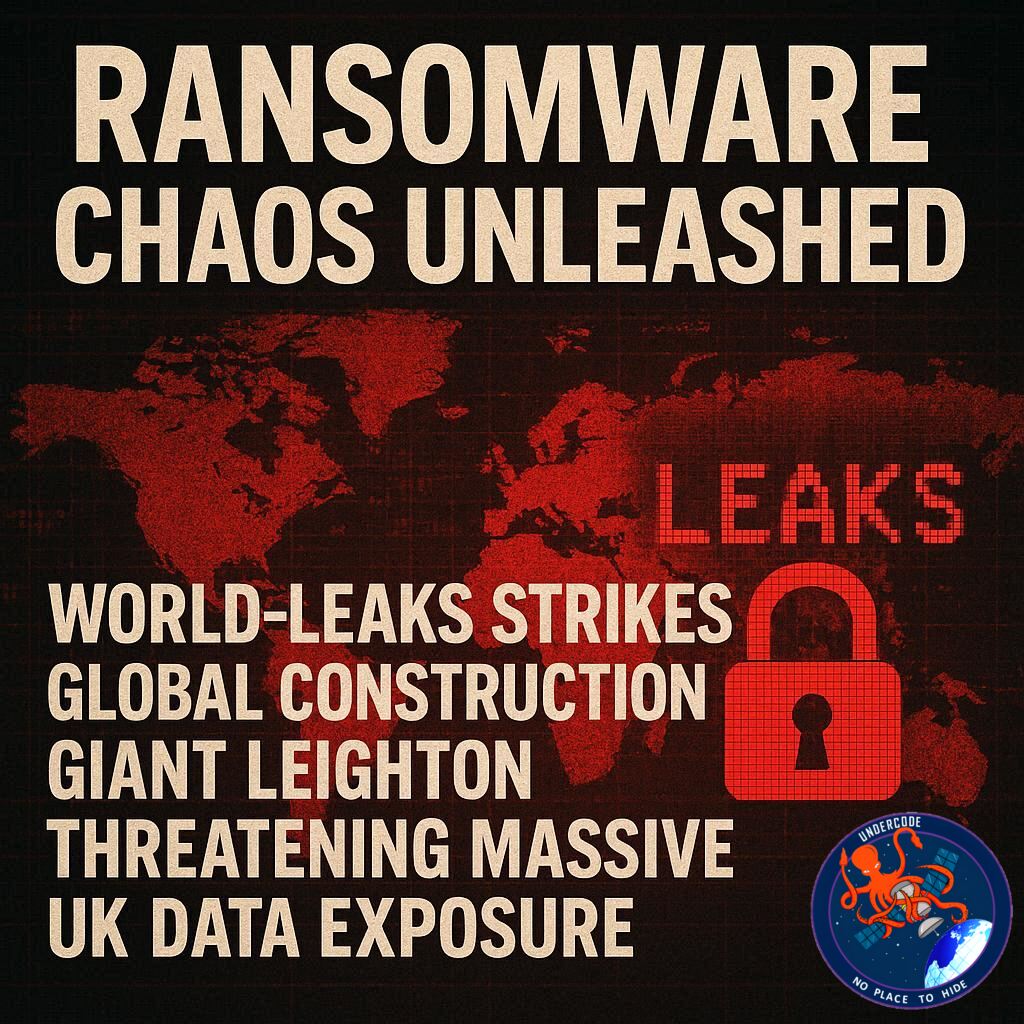
The cybersecurity landscape continues to evolve at an alarming pace, with ransomware groups becoming increasingly bold and strategic in their targets. In a recent development that has raised serious concerns across industries, the ransomware group known as WorldLeaks has reportedly breached Leighton, a major multinational construction firm. This attack highlights not only the vulnerability of large-scale infrastructure companies but also the growing sophistication of cybercriminal operations. As organizations depend more heavily on digital systems, incidents like this serve as stark reminders of the risks tied to inadequate cybersecurity defenses and delayed system updates.
the Incident: What Happened to Leighton
The ransomware attack on Leighton represents a classic yet increasingly dangerous cybercrime pattern—unauthorized access, system encryption, and data exfiltration. According to reports, WorldLeaks successfully infiltrated Leighton’s internal systems, locking down critical infrastructure through encryption. This effectively disrupted operational capabilities, potentially impacting ongoing projects and internal communications.
Beyond system disruption, the attackers allegedly stole sensitive data related to UK-based construction projects. This aspect of the breach significantly escalates its severity. Data theft introduces long-term risks, including intellectual property loss, contractual exposure, and potential national security implications depending on the nature of the projects involved.
The attackers have issued a ransom demand, threatening to release the stolen data if their demands are not met. This tactic—commonly referred to as “double extortion”—has become a hallmark of modern ransomware campaigns. It places organizations in a difficult position: either pay the ransom to prevent data leakage or risk public exposure and reputational damage.
The timing and execution of the attack suggest careful planning. Construction firms like Leighton often operate with complex supply chains and multiple stakeholders, making them appealing targets for ransomware groups. A disruption in one company can ripple across multiple projects and industries.
Additionally, this incident comes amid a broader surge in ransomware activities globally. Cybercriminal groups are increasingly targeting industries beyond traditional sectors like finance and healthcare, moving into infrastructure, construction, and engineering. These industries often lag in cybersecurity maturity, making them attractive targets.
Compounding the issue, another cybersecurity alert surfaced around the same time involving outdated mobile devices. Users with older smartphones and tablets received warnings about active web-based exploit kits targeting older operating systems. These exploits emphasize the importance of keeping systems updated and highlight how attackers continuously seek weak entry points.
Taken together, these events paint a picture of a rapidly evolving threat environment. Organizations and individuals alike are being pushed to rethink their approach to digital security. The Leighton breach is not an isolated incident but part of a larger pattern of increasingly aggressive cyberattacks aimed at critical infrastructure and vulnerable systems.
The Growing Threat of Ransomware in Construction
The construction industry has traditionally focused more on physical security than digital protection. However, as operations become digitized, the attack surface expands. Project management tools, cloud-based collaboration platforms, and IoT-enabled machinery introduce new vulnerabilities.
Ransomware groups recognize this shift and are exploiting it. Construction firms often handle sensitive blueprints, financial data, and government contracts—making them lucrative targets. Furthermore, downtime in construction projects can be extremely costly, increasing the likelihood that companies may pay ransoms to restore operations quickly.
Data Theft as a Strategic Weapon
Modern ransomware is no longer just about locking files. Data theft has become a central component of cyber extortion strategies. By stealing sensitive information, attackers gain leverage even if the victim can restore systems from backups.
In Leighton’s case, the theft of UK project data raises concerns about confidentiality and compliance. Depending on the nature of the projects, this could involve regulatory violations or contractual breaches. The potential exposure of such data could have long-term consequences far beyond immediate financial losses.
The Role of Outdated Systems in Cyber Attacks
A parallel cybersecurity alert regarding outdated mobile devices underscores a critical issue: unpatched systems remain one of the easiest entry points for attackers. Exploit kits targeting older operating systems demonstrate how cybercriminals capitalize on known vulnerabilities.
Organizations that fail to enforce regular updates and patch management policies effectively leave doors open for attackers. This is not limited to personal devices—enterprise systems often suffer from similar issues due to compatibility concerns or operational delays.
Double Extortion: A New Normal
The WorldLeaks attack exemplifies the shift toward double extortion tactics. By combining encryption with data theft, attackers increase pressure on victims to comply with ransom demands.
This approach has proven highly effective, as organizations must consider not only operational recovery but also legal, reputational, and financial consequences of a data breach. The fear of public exposure often compels companies to negotiate with attackers, despite official recommendations against paying ransoms.
The Ripple Effect Across Industries
Cyberattacks on major firms like Leighton do not occur in isolation. Construction projects involve multiple partners, including subcontractors, suppliers, and government entities. A breach in one organization can potentially expose data across the entire ecosystem.
This interconnected nature of modern business amplifies the impact of cyber incidents. It also highlights the importance of collective cybersecurity measures rather than isolated efforts by individual organizations.
What Undercode Say:
A Calculated Shift Toward High-Impact Targets
The attack on Leighton signals a deliberate move by ransomware groups toward industries that can least afford downtime. Construction companies operate under tight deadlines and contractual obligations, making them ideal victims for extortion. This is not random targeting—it is strategic selection based on maximum leverage.
The Economics Behind Ransomware Campaigns
Ransomware has evolved into a highly organized business model. Groups like WorldLeaks operate with structured workflows, including initial access brokers, data exfiltration teams, and negotiation specialists. This level of organization suggests that cybercrime is no longer a fringe activity but a sophisticated underground economy.
Why Data Matters More Than Ever
The emphasis on data theft reflects a deeper shift in cybercriminal priorities. Data is now currency. Whether it is sold, leaked, or used for further attacks, stolen information provides multiple avenues for monetization. In many cases, the value of the data exceeds the ransom itself.
Weak Links in Digital Transformation
As companies rush to digitize operations, cybersecurity often becomes an afterthought. Legacy systems, misconfigured cloud services, and insufficient employee training create vulnerabilities that attackers exploit. The Leighton incident serves as a case study in how digital transformation without security integration can backfire.
The Human Factor in Cybersecurity
Despite technological advancements, human error remains a leading cause of breaches. Phishing emails, weak passwords, and lack of awareness can provide initial access to attackers. Organizations must invest not only in technology but also in training employees to recognize and respond to threats.
Regulatory Pressure and Its Limitations
Governments worldwide are introducing stricter cybersecurity regulations, but enforcement remains inconsistent. While compliance frameworks exist, they often fail to keep pace with rapidly evolving threats. Companies may meet regulatory requirements yet still remain vulnerable to sophisticated attacks.
The Role of Threat Intelligence
Proactive threat intelligence can significantly reduce the risk of attacks. By monitoring emerging threats and understanding attacker behavior, organizations can strengthen defenses before an incident occurs. However, many companies lack the resources or expertise to implement effective threat intelligence programs.
Cybersecurity as a Business Priority
The Leighton breach reinforces the need to treat cybersecurity as a core business function rather than a technical issue. Executive leadership must take an active role in risk management, allocating resources and setting policies that prioritize security across all operations.
Incident Response Preparedness
One of the most critical aspects of cybersecurity is how organizations respond to incidents. A well-prepared incident response plan can minimize damage and accelerate recovery. Without such plans, companies may struggle to contain breaches and communicate effectively with stakeholders.
The Future of Ransomware Defense
Defending against ransomware requires a multi-layered approach, including endpoint protection, network monitoring, regular backups, and employee training. As attackers continue to innovate, defenses must evolve accordingly. Static security measures are no longer sufficient in a dynamic threat landscape.
Fact Checker Results
Verifying the Core Claims
✅ The described attack pattern—encryption combined with data theft—is consistent with modern ransomware tactics.
❌ There is no publicly confirmed full technical disclosure of the Leighton breach at this stage.
✅ The risk posed by outdated systems and exploit kits is widely documented and accurate.
Prediction
Where This Trend Is Headed
📊 Ransomware attacks will increasingly target infrastructure-heavy industries such as construction, energy, and logistics.
📊 Double extortion tactics will become standard practice, with added layers like triple extortion involving stakeholders and customers.
📊 Organizations that fail to modernize cybersecurity frameworks will face higher financial and reputational risks in the coming years.
🕵️📝✔️Let’s dive deep and fact‑check.
References:
Reported By: x.com
Extra Source Hub (Possible Sources for article):
https://www.reddit.com
Wikipedia
OpenAi & Undercode AI
Image Source:
Unsplash
Undercode AI DI v2
Bing
🔐JOIN OUR CYBER WORLD [ CVE News • HackMonitor • UndercodeNews ]
📢 Follow UndercodeNews & Stay Tuned:
𝕏 formerly Twitter 🐦 | @ Threads | 🔗 Linkedin | 🦋BlueSky | 🐘Mastodon


