
Listen to this Post
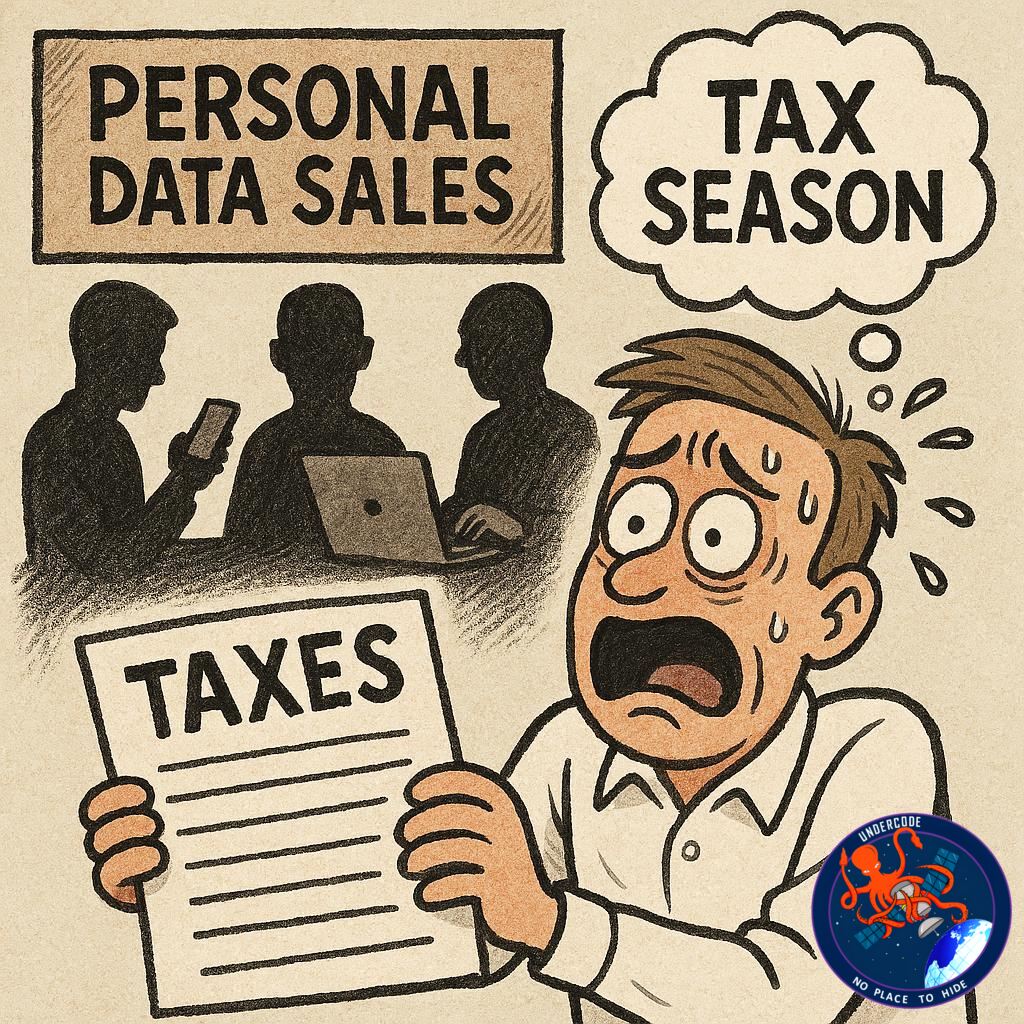
A Quiet Threat That Peaks at the Worst Time
Every year, as tax season approaches, millions of people focus on filing returns, maximizing refunds, and meeting deadlines. What often goes unnoticed, however, is how this period becomes a goldmine for scammers. With sensitive financial information circulating and heightened urgency in communication, cybercriminals find the perfect opportunity to strike.
The unsettling reality is that accessing your personal data has never been easier. From your phone number and email address to your physical location—and sometimes even highly sensitive identifiers—this information is readily available through data brokers. These companies collect, package, and sell personal details, often without individuals fully realizing the extent of what they’ve agreed to share.
How Your Information Ends Up in the Wrong Hands
A simple online search of your name can reveal an alarming amount of personal information. Details such as your age, job history, home address, and even connections to family members may be publicly accessible. While this might seem harmless at first glance, it forms the backbone of identity theft schemes and targeted scams.
Criminals use this data to impersonate individuals, craft convincing phishing messages, and manipulate victims into sharing even more sensitive information. During tax season, this risk intensifies, as scammers often pose as tax authorities or financial institutions to exploit urgency and fear.
The Data Broker Ecosystem Explained
This widespread availability of personal data is no accident. It is the result of a structured and profitable industry built around data brokerage. These companies gather information from multiple sources—online registrations, app usage, public records—and compile detailed profiles on individuals.
The process is largely legal. When users sign up for websites or download apps, they often agree to terms and conditions that include vague language about “sharing data with partners.” In reality, this frequently means selling information to third parties, including data brokers.
Despite occasional discussions about stricter regulations, the industry continues to operate with minimal disruption. This leaves individuals exposed, often unaware of how widely their information is distributed.
Why Traditional Privacy Measures Fall Short
Many people rely on device-level privacy protections, believing that features offered by major tech companies are enough to safeguard their data. While these measures can limit tracking within specific ecosystems, they do little to address the broader digital footprint.
Your data exists across countless platforms, databases, and third-party networks. Even if you secure one device or account, your information may still circulate elsewhere. This fragmented exposure makes it nearly impossible to achieve complete privacy through conventional means.
The Challenge of Opting Out
Legally, individuals have the right to request the removal of their personal data from many databases. However, exercising this right is far from simple.
The process involves identifying every company that holds your information, submitting formal removal requests, and often navigating complex verification procedures. Even after successful removal, there is no guarantee the data won’t reappear. New broker sites emerge regularly, and existing ones may re-upload information from other sources.
This creates a frustrating cycle where maintaining privacy becomes a full-time effort.
A Simplified Solution to a Complex Problem
To address this challenge, services like Incogni offer a more streamlined approach. Instead of manually contacting hundreds of companies, users can delegate the process to a dedicated platform that handles data removal on their behalf.
Incogni works by reaching out to a large network of data brokers and people-search websites, issuing formal requests for the deletion of personal information. It operates across multiple regions, including the United States, Canada, the United Kingdom, and the European Union, using applicable privacy laws to enforce these requests.
Beyond initial removal, the service continuously monitors for new instances of data exposure. When information reappears, it automatically initiates additional takedown requests. This ongoing vigilance is crucial in an environment where data is constantly being traded and redistributed.
Added Features That Strengthen Privacy Protection
One of the standout aspects of such services is their ability to go beyond standard data broker removal. Advanced plans may include custom removal requests, allowing users to target specific websites that display their personal information.
Dedicated privacy agents often handle these cases, ensuring that even less common sources of exposure are addressed. While certain categories—such as social media platforms or government records—may be excluded, the overall coverage significantly reduces the visibility of personal data online.
Making Privacy More Accessible
Cost can often be a barrier when it comes to digital privacy tools. However, discounted subscription models and family plans make these services more accessible to a wider audience.
By allowing multiple users to be covered under a single plan, individuals can extend protection to family members, ensuring that everyone benefits from reduced data exposure. This is particularly important given that identity theft often targets multiple members within the same household.
the Original
The original article highlights the growing risk of personal data exposure, especially during tax season when scammers are most active. It explains how data brokers collect and sell personal information, making it easily accessible to malicious actors. A simple name search can reveal sensitive details like addresses, phone numbers, and family connections, which can be exploited for fraud.
The article emphasizes that this data collection is largely legal, as users unknowingly consent through vague terms and conditions when signing up for services. Even strong privacy measures from major tech companies are insufficient because personal data exists across multiple platforms beyond individual devices.
While laws allow users to request data removal, the process is complex and time-consuming, often requiring contact with hundreds of companies. Additionally, data can reappear after removal, making it an ongoing challenge.
To address this, the article introduces Incogni, a service that automates data removal requests across numerous data brokers. It continuously monitors for new data exposure and handles appeals when necessary. The service is available in multiple regions and offers subscription plans, including discounted options and family coverage.
The article concludes by promoting a special discount offer for readers, positioning Incogni as a convenient and effective solution for protecting personal data.
What Undercode Says:
The Real Problem Is Structural, Not Individual
The article correctly points out the dangers of data exposure, but the deeper issue lies in the structure of the data economy itself. Individuals are placed in a reactive position, constantly trying to reclaim privacy after it has already been compromised.
Consent Has Become Meaningless
The concept of user consent is fundamentally broken. Long, complex privacy policies ensure that most users agree without understanding the implications. This creates a legal loophole where companies can operate freely while maintaining the appearance of transparency.
Data Brokers Operate in the Shadows
Unlike major tech platforms, data brokers rarely interact directly with users. This lack of visibility allows them to avoid scrutiny while continuing to profit from personal information. Greater transparency is needed to bring these operations into the public eye.
Privacy Tools Are a Temporary Fix
Services like Incogni provide valuable assistance, but they address symptoms rather than the root cause. As long as data collection remains widespread and largely unregulated, new information will continue to surface.
Automation Is Becoming Essential
Given the scale of data distribution, manual removal is no longer practical. Automation is not just convenient—it is necessary. Tools that continuously monitor and act on behalf of users represent the future of privacy management.
The Arms Race Between Privacy and Profit
There is an ongoing battle between companies seeking to monetize data and individuals trying to protect it. Each advancement in privacy tools is often met with new methods of data collection and aggregation.
Regulation Is Lagging Behind Technology
Legislation struggles to keep pace with technological advancements. While some regions have implemented stronger data protection laws, enforcement remains inconsistent, and global coordination is limited.
The Illusion of Control
Many users believe they have control over their data, but this control is often superficial. Real ownership of personal information is difficult to achieve in a system designed to distribute and monetize it.
The Role of Awareness
Education plays a critical role in addressing this issue. The more individuals understand how their data is used, the better equipped they are to make informed decisions and demand change.
A Shift Toward Privacy-First Solutions
There is a growing demand for services and platforms that prioritize privacy. Companies that adopt transparent practices and minimize data collection may gain a competitive advantage in the future.
Economic Incentives Drive Data Collection
As long as personal data remains highly valuable, companies will continue to find ways to collect and sell it. Addressing this issue requires rethinking the economic model behind data monetization.
The Importance of Continuous Monitoring
One-time solutions are insufficient. Privacy protection must be ongoing, with systems in place to detect and respond to new threats as they arise.
Global Differences in Privacy Protection
Not all regions offer the same level of protection. Users in areas with weaker regulations may face greater risks, highlighting the need for international standards.
The Future of Digital Identity
As digital interactions increase, the concept of identity will evolve. Balancing convenience and privacy will be one of the defining challenges of the digital age.
Fact Checker Results
Accuracy of Data Broker Claims
The article accurately describes how data brokers collect and sell personal information, which is a well-documented and legal practice in many regions.
Effectiveness of Data Removal Services
While services like Incogni can significantly reduce exposure, they cannot guarantee complete removal of all personal data from the internet.
Risk During Tax Season
The increased risk of scams during tax season is supported by cybersecurity reports, making this claim credible and relevant.
Prediction
Rising Demand for Privacy Automation
As awareness grows, more individuals will turn to automated privacy solutions to manage their digital footprint efficiently.
Stronger Regulations on the Horizon
Governments are likely to introduce stricter data protection laws, though enforcement and global consistency will remain challenges.
Data Ownership Will Become a Key Debate
The question of who truly owns personal data will become central to future discussions about technology, privacy, and digital rights.
🕵️📝✔️Let’s dive deep and fact‑check.
References:
Reported By: 9to5mac.com
Extra Source Hub (Possible Sources for article):
https://www.quora.com
Wikipedia
OpenAi & Undercode AI
Image Source:
Unsplash
Undercode AI DI v2
Bing
🔐JOIN OUR CYBER WORLD [ CVE News • HackMonitor • UndercodeNews ]
📢 Follow UndercodeNews & Stay Tuned:
𝕏 formerly Twitter 🐦 | @ Threads | 🔗 Linkedin | 🦋BlueSky | 🐘Mastodon


