
Listen to this Post
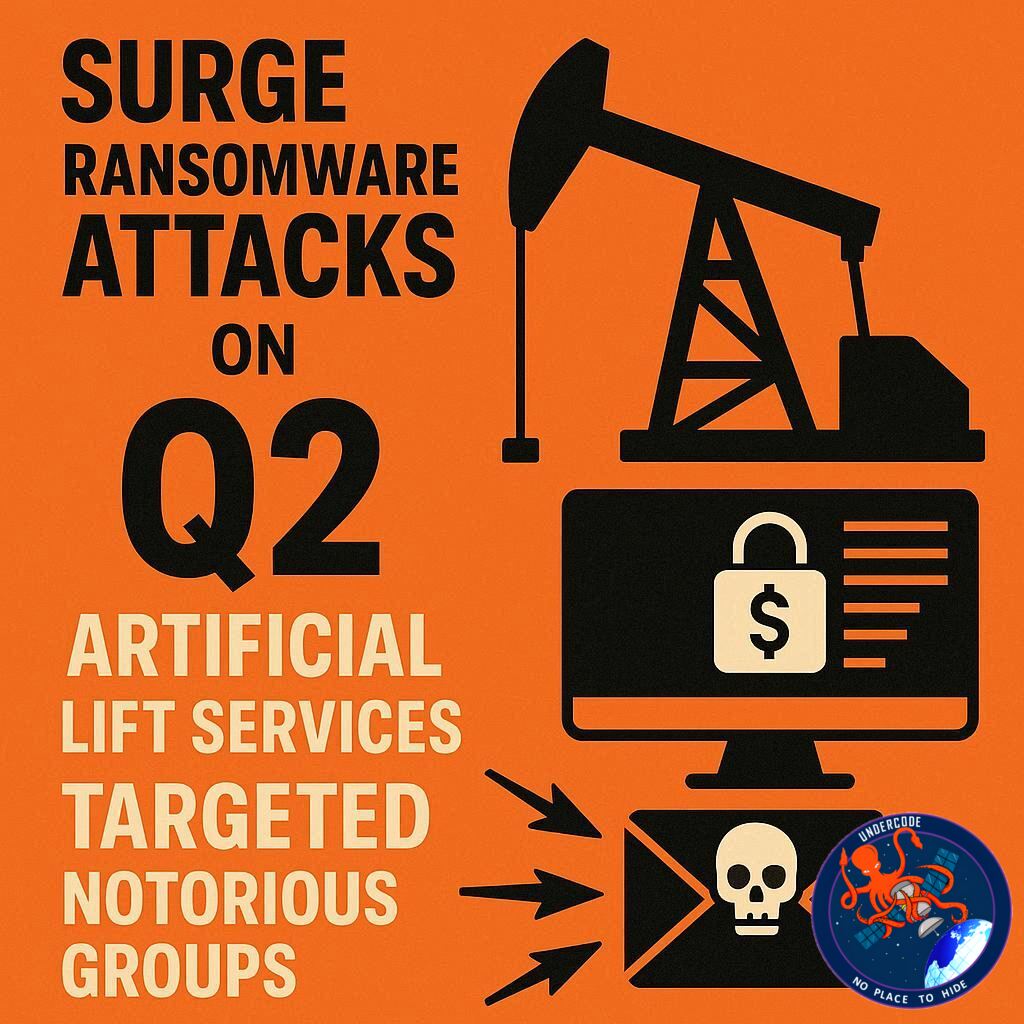
The digital underworld is becoming increasingly aggressive, with ransomware groups expanding their reach into industries previously considered low-risk. On March 28, 2026, two significant ransomware incidents were detected by the ThreatMon Threat Intelligence Team, highlighting the persistent threat posed by cybercriminals. These attacks serve as a stark reminder that no company, regardless of size or sector, is immune to the growing menace of ransomware.
Recent Ransomware Incidents
Earlier today, the ransomware group known as payload targeted Q2 Artificial Lift Services, successfully compromising their systems and adding them to their growing list of victims. According to the ThreatMon Threat Intelligence Team, the activity was detected in near real-time, emphasizing how quickly these attacks can escalate.
Just minutes later, another group, qilin, reportedly breached TR Construya, a company that had not previously been in the ransomware spotlight. ThreatMon confirmed the incident, showing that coordinated monitoring can trace the movement of ransomware actors across the dark web.
Both attacks underscore a worrying trend: ransomware groups are not only expanding their targets but are also publicizing their victims more openly, likely as a tactic to instill fear and pressure companies into paying ransom quickly. This visibility also demonstrates how intelligence platforms like ThreatMon are becoming essential tools in identifying attacks early and mitigating potential damage.
Ransomware attacks are now evolving beyond simple encryption of files. Modern tactics include data theft, extortion through public exposure, and long-term infiltration of corporate systems. The threat landscape is rapidly shifting, meaning companies can no longer rely solely on traditional firewalls and antivirus solutions. Threat actors are leveraging automation, AI-driven attacks, and advanced phishing schemes to bypass defenses.
For Q2 Artificial Lift Services and TR Construya, the immediate concerns likely include operational disruption, potential loss of sensitive client data, reputational damage, and compliance risks with international data protection laws. Recovery from such attacks often involves both technical remediation and strategic communication to stakeholders, which can be costly and time-consuming.
What Undercode Says:
Rising Sophistication of Ransomware: Modern ransomware groups like payload and qilin demonstrate an increasing ability to adapt and evolve. They are no longer random hackers; these actors operate like organized cybercriminal businesses.
Public Disclosure as Pressure Tactic: By announcing their victims, ransomware groups increase psychological pressure on the affected companies, incentivizing ransom payments. Transparency in the dark web often equates to leverage in negotiation.
Sector Vulnerabilities: While tech and finance sectors are common targets, manufacturing and service industries are now in the crosshairs. Companies like Q2 Artificial Lift Services and TR Construya may not have prioritized cybersecurity to the extent needed, making them vulnerable.
Critical Role of Threat Intelligence: Platforms like ThreatMon are crucial for early detection. Real-time intelligence can drastically reduce the window of vulnerability, allowing companies to isolate threats before data exfiltration occurs.
Potential for Operational Paralysis: Even short-term disruptions can ripple across supply chains, affecting customer commitments and stakeholder trust. Recovery timelines can extend weeks or months, with significant financial impact.
Legal and Compliance Risks: Depending on the jurisdiction, breaches may trigger regulatory fines and legal actions. GDPR and other regional privacy laws impose strict reporting requirements for compromised data.
Human Factor in Security: Many attacks still exploit human error. Training employees on phishing and social engineering remains a critical defense layer.
Financial Implications: Ransom payments, remediation costs, legal fees, and reputational repair can cost millions. Not paying the ransom, however, requires robust backup and disaster recovery plans.
Insurance and Risk Mitigation: Cyber insurance is increasingly relevant but often requires proof of proactive cybersecurity measures. Companies failing to demonstrate readiness may see claims denied.
Predictive Trends: We can expect ransomware groups to continue diversifying tactics, including multi-vector attacks that combine physical and digital threats. Continuous investment in cybersecurity resilience is non-negotiable.
🔍 Fact Checker Results
✅ Claim Verification: ThreatMon did detect both attacks on March 28, 2026.
❌ Victim Exposure Risk: While publicized, it’s unclear if data was leaked yet.
✅ Ransomware Group Identification: payload and qilin are confirmed active actors on the dark web.
📊 Prediction
Ransomware activity in 2026 is likely to escalate, targeting smaller, mid-tier companies with critical operational roles. Companies like Q2 Artificial Lift Services and TR Construya may inspire copycat attacks across similar industries. Businesses that fail to implement real-time monitoring, incident response protocols, and comprehensive employee training will increasingly become targets. Organizations investing in AI-driven threat detection and layered cybersecurity defenses are expected to withstand these attacks more effectively, potentially setting a new standard for digital resilience.
If you want, I can also create a fully SEO-optimized version of this article with catchy subheadings for maximum engagement. Do you want me to do that next?
🕵️📝✔️Let’s dive deep and fact‑check.
References:
Reported By: x.com
Extra Source Hub (Possible Sources for article):
https://www.reddit.com
Wikipedia
OpenAi & Undercode AI
Image Source:
Unsplash
Undercode AI DI v2
Bing
🔐JOIN OUR CYBER WORLD [ CVE News • HackMonitor • UndercodeNews ]
📢 Follow UndercodeNews & Stay Tuned:
𝕏 formerly Twitter 🐦 | @ Threads | 🔗 Linkedin | 🦋BlueSky | 🐘Mastodon


