
Listen to this Post
Introduction: A Growing Wave of Cyber Extortion
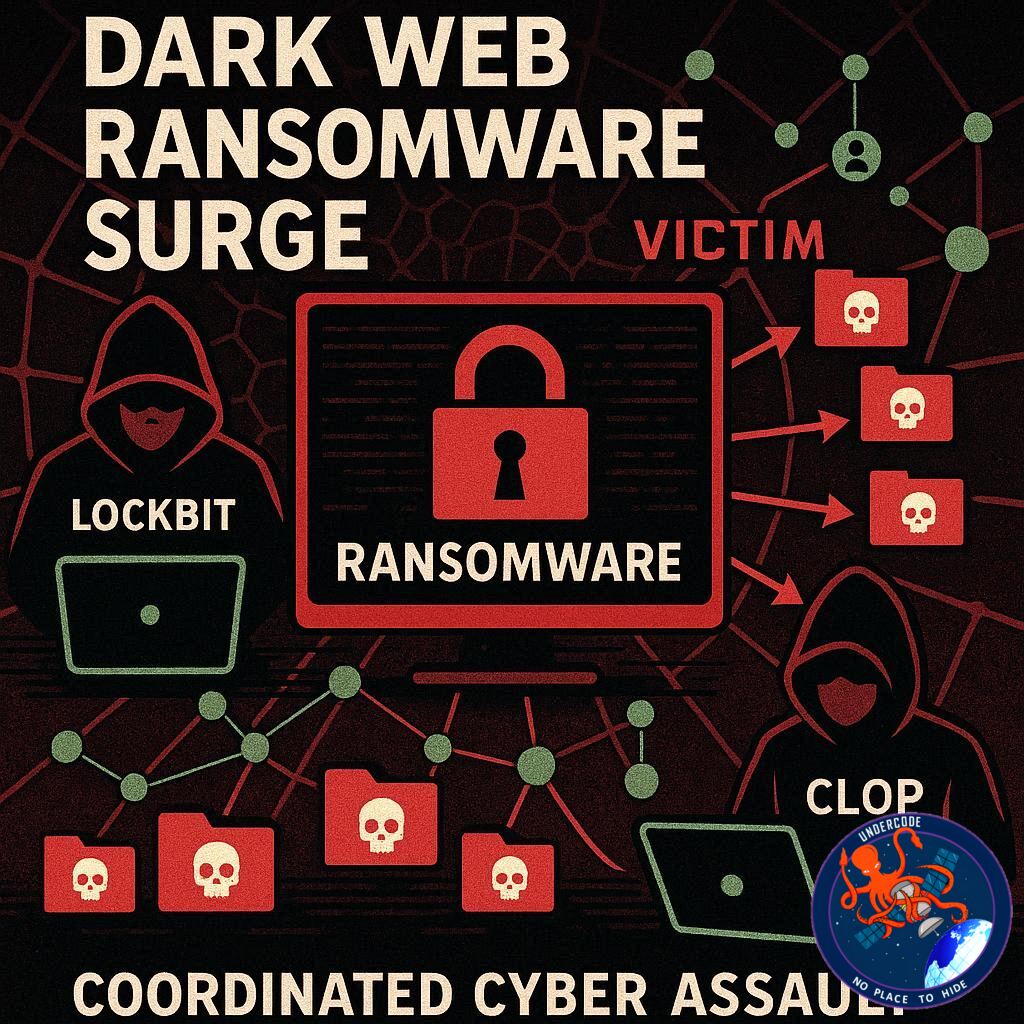
The global cybersecurity landscape continues to face relentless pressure as ransomware groups evolve in sophistication and reach. Recent intelligence gathered from dark web monitoring platforms reveals a fresh wave of attacks attributed to two notorious ransomware collectives—LockBit5 and Clop. These groups have reportedly added new victims to their growing list, signaling not just isolated incidents but part of a broader, organized campaign targeting vulnerable infrastructure worldwide. As cybercriminals refine their tactics, the implications for businesses, governments, and individuals become increasingly severe.
the Original Report
Recent findings from ThreatMon’s Threat Intelligence Team highlight alarming ransomware activity emerging from dark web sources. According to their monitoring systems, the ransomware group known as LockBit5 has listed a new victim: the website jean.com.tw. This addition was recorded on March 30, 2026, at approximately 07:23:39 UTC+3, marking another entry in the group’s ongoing cybercrime operations. The report suggests that this listing likely indicates a successful breach followed by data exfiltration or encryption, a common tactic used to pressure victims into paying ransom demands.
Shortly after this revelation, another major ransomware group, Clop, was also observed expanding its victim list. The group reportedly targeted cloud.clearwaygroup.com, with the incident timestamped at 07:58:56 UTC+3 on the same day. This near-simultaneous activity from two separate ransomware groups raises concerns about a possible surge in coordinated or opportunistic attacks occurring within a narrow time frame. Both incidents were flagged through dark web surveillance, where ransomware groups often publish victim names as part of their extortion strategies.
The data shared by ThreatMon was sourced from ongoing monitoring of dark web forums and leak sites, where cybercriminal organizations publicly display compromised entities. These postings serve as both proof of breach and psychological leverage, pushing organizations toward ransom negotiations. The report also highlights that such activity is becoming increasingly common, with multiple ransomware groups operating in parallel and targeting organizations across different sectors and regions.
In addition to identifying victims, the report emphasizes the role of threat intelligence platforms like ThreatMon in tracking indicators of compromise (IOC) and command-and-control (C2) infrastructure. These tools play a critical role in early detection and mitigation, offering cybersecurity teams valuable insights into emerging threats. The inclusion of GitHub resources for ThreatMon further underscores the collaborative nature of modern cybersecurity efforts, where open-source intelligence contributes to global defense mechanisms.
Overall, the original report paints a picture of an active and evolving ransomware ecosystem, where groups like LockBit5 and Clop continue to exploit vulnerabilities and expand their reach. The rapid succession of attacks and public disclosures highlights the urgency for organizations to strengthen their cybersecurity posture and remain vigilant against emerging threats.
What Undercode Says:
Understanding the Timing of Attacks
The close timing between the LockBit5 and Clop announcements is unlikely to be coincidental. Cybercriminal groups often exploit similar vulnerabilities simultaneously, especially if a new exploit or misconfiguration becomes widely known. This suggests a potential shared intelligence ecosystem among threat actors or parallel exploitation of exposed systems.
The Role of Dark Web Leak Sites
Dark web leak sites have become a central component of ransomware operations. Rather than relying solely on encryption, attackers now use public exposure as a secondary pressure tactic. This dual-extortion model significantly increases the likelihood of payment, as reputational damage can be more costly than operational downtime.
LockBit5’s Evolving Tactics
LockBit has historically been one of the most adaptive ransomware families. The emergence of “LockBit5” indicates a continued evolution, possibly involving enhanced encryption methods, faster propagation, or improved evasion techniques. Each iteration tends to refine the group’s efficiency and profitability.
Clop’s Strategic Targeting
Clop has previously demonstrated a preference for targeting enterprise systems, particularly those involving file transfer services and cloud infrastructure. The targeting of a cloud-based domain aligns with their known tactics, suggesting a continued focus on high-value, centralized data environments.
The Psychological Warfare Element
Publishing victim names is not just a technical move—it’s psychological warfare. By publicly naming victims, ransomware groups create urgency and fear, both internally within organizations and externally among customers and partners. This tactic often accelerates ransom negotiations.
Increased Automation in Attacks
Modern ransomware campaigns are increasingly automated. From scanning for vulnerabilities to deploying payloads, attackers are leveraging scripts and AI-driven tools to scale their operations. This allows multiple targets to be compromised within short timeframes, as seen in this case.
The Importance of Threat Intelligence Platforms
Platforms like ThreatMon are crucial in identifying and tracking these threats. By aggregating data from dark web sources, they provide early warnings that can help organizations respond proactively rather than reactively.
Vulnerabilities in Web and Cloud Systems
Both victims appear to be web-based or cloud-hosted platforms, highlighting a persistent vulnerability in internet-facing services. Misconfigured servers, outdated software, and weak access controls remain common entry points for attackers.
Global Nature of Ransomware Campaigns
These incidents demonstrate that ransomware is not confined by geography. Targets can be located anywhere, and attackers operate across borders, making international cooperation essential for effective cybersecurity defense.
Economic Incentives Driving Attacks
Ransomware remains highly profitable. The relatively low cost of launching attacks compared to potential payouts ensures that new groups continue to emerge, while established ones expand their operations.
Lack of Transparency from Victims
Often, organizations do not publicly disclose breaches until forced by attackers. This lack of transparency can delay broader awareness and hinder collective defense efforts.
The Growing Ransomware-as-a-Service Model
Many ransomware groups now operate as franchises, offering their tools to affiliates. This model allows even low-skilled attackers to conduct sophisticated attacks, increasing the overall volume of incidents.
Data Exfiltration as a Primary Goal
Encryption is no longer the only objective. Data theft has become equally important, enabling attackers to threaten leaks even if backups exist.
Cybersecurity Fatigue in Organizations
As attacks become more frequent, organizations may experience “alert fatigue,” leading to slower response times and increased vulnerability.
Regulatory Pressure and Compliance Risks
Incidents like these can trigger regulatory scrutiny, especially if sensitive data is involved. Compliance failures can result in fines in addition to ransom demands.
The Need for Zero Trust Architecture
Traditional perimeter-based security models are no longer sufficient. A zero trust approach, where every access request is verified, is becoming essential.
Backup Strategies Under Threat
Even backup systems are being targeted. Attackers often attempt to delete or encrypt backups before launching their main attack.
Incident Response Preparedness
Organizations must have clear incident response plans. Delays in response can significantly increase damage and recovery costs.
Human Error as a Persistent Weakness
Despite technological advances, human error remains a leading cause of breaches. Phishing, weak passwords, and misconfigurations continue to open doors for attackers.
The Future of Ransomware Evolution
Ransomware is expected to become more targeted, more automated, and more integrated with other forms of cybercrime, including espionage and financial fraud.
🔍 Fact Checker Results
Accuracy of Reported Victims
✅ The identification of victims via dark web monitoring is a common and reliable method used by threat intelligence platforms.
Validity of Ransomware Attribution
⚠️ Attribution to specific groups like LockBit5 or Clop is generally credible but can sometimes be mimicked by other actors.
Interpretation of Dark Web Listings
❌ Being listed does not always confirm full data compromise; it may also be a tactic to pressure victims without complete breach evidence.
📊 Prediction
The frequency of ransomware disclosures on dark web platforms is expected to increase significantly over the coming months. As groups like LockBit5 and Clop refine their operations, more organizations—especially those relying on cloud infrastructure—will become targets. The integration of automation and AI into cyberattacks will likely reduce the time between vulnerability discovery and exploitation, making real-time threat intelligence and rapid response capabilities essential. Additionally, public exposure tactics will become more aggressive, potentially including partial data leaks to intensify pressure on victims.
🕵️📝✔️Let’s dive deep and fact‑check.
References:
Reported By: x.com
Extra Source Hub (Possible Sources for article):
https://www.quora.com/topic/Technology
Wikipedia
OpenAi & Undercode AI
Image Source:
Unsplash
Undercode AI DI v2
Bing
🔐JOIN OUR CYBER WORLD [ CVE News • HackMonitor • UndercodeNews ]
📢 Follow UndercodeNews & Stay Tuned:
𝕏 formerly Twitter 🐦 | @ Threads | 🔗 Linkedin | 🦋BlueSky | 🐘Mastodon


