
Listen to this Post
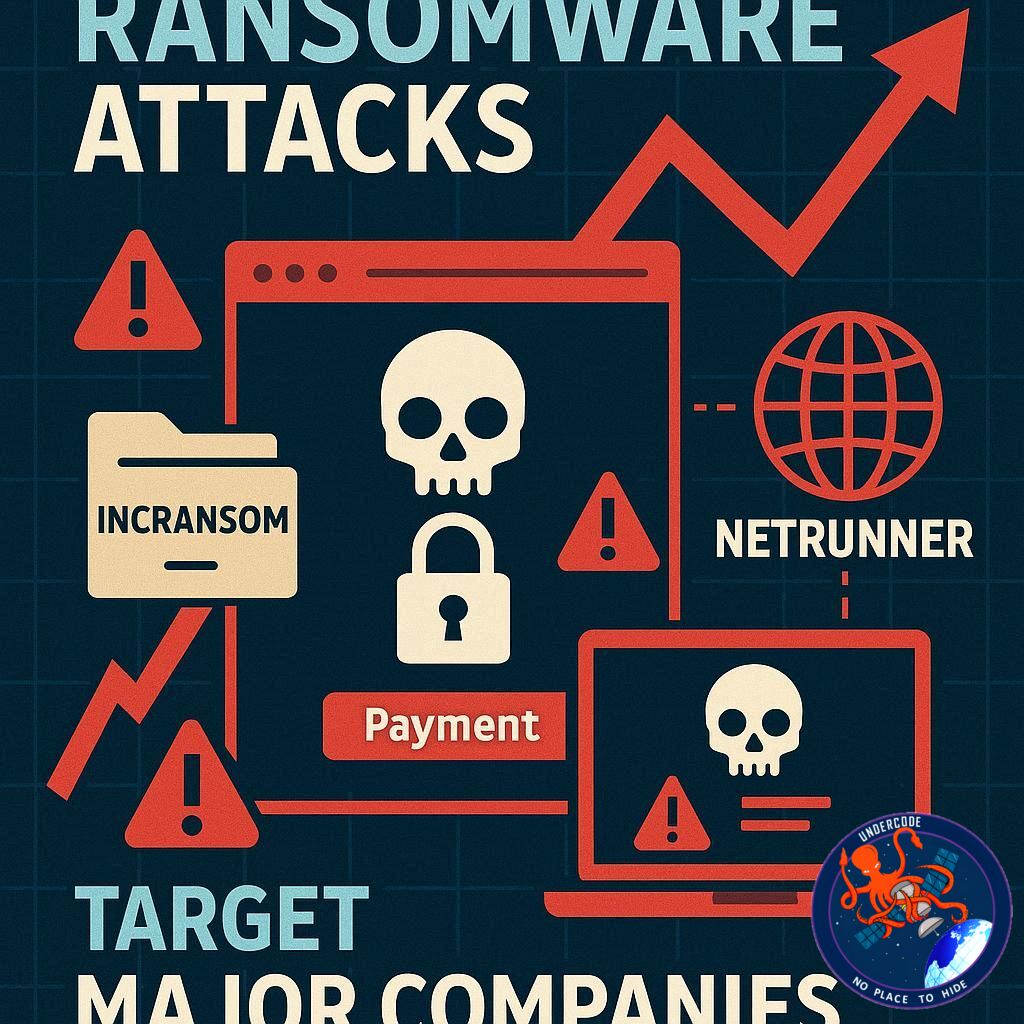
Cybersecurity experts are raising alarms as two notorious ransomware groups, Incransom and Netrunner, have reportedly added new victims to their lists. The attacks, detected by the ThreatMon Threat Intelligence Team, signal a worrying escalation in cybercrime activity targeting corporate networks worldwide. Companies are facing increasing pressure to strengthen defenses against these sophisticated digital threats.
Recent Ransomware Activity
On April 3, 2026, at 21:09 UTC+3, the ransomware group Incransom reportedly compromised Infonet Media d.o.o., according to the ThreatMon Threat Intelligence Team. This attack follows a growing trend of ransomware targeting media and technology firms, aiming to extract significant ransoms while disrupting operations.
Earlier on the same day, at 20:19 UTC+3, the ransomware group Netrunner added Seoyon E-Hwa Summit to its list of victims. This activity highlights that manufacturing and logistics companies remain vulnerable, especially those handling sensitive operational or intellectual property data.
The ThreatMon platform, developed by @MonThreat, provides real-time monitoring of ransomware campaigns, using IOC (Indicators of Compromise) and C2 (Command and Control) data. These intelligence feeds allow organizations to track emerging threats and identify patterns before they escalate into widespread crises.
Cybersecurity analysts note that both groups leverage the dark web to sell stolen data or extort companies. Social media monitoring and dark web surveillance are becoming critical tools for organizations to mitigate these risks.
Incransom and Netrunner attacks often begin with phishing emails, exploiting human error, or vulnerabilities in outdated software. Once inside, ransomware encrypts files and threatens to release sensitive information publicly unless a ransom is paid.
Recent activity suggests that these groups are targeting high-profile and financially stable companies. The timing and selection of victims indicate careful strategic planning, aiming to maximize ransom payouts.
Companies in Europe and Asia, where both victims are located, are particularly at risk due to regulatory and data privacy requirements, which amplify the pressure to respond quickly.
Cybersecurity experts recommend immediate steps for organizations: regular software updates, robust backup strategies, employee training against phishing attacks, and rapid incident response protocols.
The rising visibility of these attacks on platforms like X (formerly Twitter) underscores the transparency in tracking ransomware campaigns. ThreatMon’s reporting provides public visibility into cybercrime trends that were previously confined to private intelligence channels.
As ransomware evolves, groups like Incransom and Netrunner are increasingly targeting supply chain networks, aiming to disrupt multiple organizations simultaneously. This tactic amplifies economic and operational impact, making proactive threat intelligence critical for defense.
Experts warn that ignoring early warning signs could result in significant financial loss, reputational damage, and regulatory penalties for companies.
What Undercode Says:
Strategic Targeting of High-Value Companies
The pattern of targeting companies like Infonet Media d.o.o. and Seoyon E-Hwa Summit demonstrates ransomware groups’ preference for high-value, high-impact victims. These organizations are likely to have both the financial means and operational urgency to consider paying ransoms.
Dark Web Operations Are Growing More Sophisticated
Groups like Incransom and Netrunner are refining their operations by combining encryption attacks with data theft. Leaked data is often sold or auctioned on dark web marketplaces, adding secondary pressure on victims to comply with ransom demands.
Importance of Real-Time Intelligence
Platforms like ThreatMon highlight the necessity of real-time threat intelligence. Organizations relying solely on internal IT monitoring are at risk of being blindsided. Proactive threat feeds, combined with automated incident response, can mitigate potential damage.
Supply Chain Attacks Are Rising
The choice of victims indicates an increasing focus on supply chain disruption. Compromising one company can affect numerous downstream partners, amplifying the ransomware’s impact on multiple sectors simultaneously.
Phishing Remains a Key Entry Point
Despite technological defenses, human error remains the primary vulnerability exploited by ransomware groups. Employee training and simulated phishing exercises are now essential components of corporate cybersecurity programs.
Global Regulatory Pressure Increases Risk
Companies facing stringent data protection laws, particularly in Europe and Asia, must respond swiftly to attacks to avoid compliance violations. The regulatory environment makes these attacks not only financially costly but also legally complicated.
Attack Timing Suggests Deliberate Planning
Both attacks occurring within hours of each other imply strategic timing, possibly coordinated to maximize attention and operational disruption. This demonstrates that ransomware groups are evolving into highly organized criminal enterprises.
Public Disclosure Drives Awareness
The visibility of these attacks on social media platforms encourages broader industry awareness. Sharing attack information publicly can pressure companies to implement better defenses and collaborate on cybersecurity solutions.
Proactive Defense Is Non-Negotiable
The rise of ransomware shows that reactive cybersecurity is no longer sufficient. Organizations need multi-layered defenses including endpoint protection, threat hunting, network segmentation, and continuous monitoring.
Emerging Threat Intelligence Communities
The use of open-source intelligence (OSINT) and platforms like ThreatMon shows the importance of collaborative intelligence communities. Cybersecurity is becoming a collective effort, requiring real-time information sharing across industries.
Incentivizing Ethical Reporting
The publication of ransomware activity can also incentivize ethical reporting and strengthen legal actions against criminal actors, reducing the long-term prevalence of ransomware campaigns.
Increasing Operational Costs
Ransomware attacks not only lead to ransom payments but also significantly increase operational recovery costs, legal fees, and insurance premiums, making cybersecurity investment a financial imperative.
Psychological Impact on Employees
The fear and disruption caused by ransomware attacks can reduce employee productivity and morale, further amplifying the economic and reputational damage of these cyber incidents.
Future Threat Evolution
As ransomware groups adapt and innovate, emerging tactics may include AI-driven phishing, automated network reconnaissance, and more targeted supply chain attacks. Organizations must anticipate these developments proactively.
Importance of International Cooperation
Cross-border coordination is crucial, as ransomware groups operate globally. Law enforcement collaboration and international cybersecurity agreements can help reduce safe havens for these criminal networks.
Need for Continuous Education
Regular employee education, scenario planning, and tabletop exercises are critical to reducing the risk of successful ransomware infiltration. Human factors remain a pivotal part of cyber defense.
Financial and Reputation Risk Management
Boards and executives must treat cybersecurity as an enterprise risk management issue, incorporating it into strategic planning and operational budgets. Failure to do so could result in cascading business impacts.
Technology Stack Upgrades
Legacy systems are highly vulnerable. Companies must prioritize patch management, endpoint protection, and secure cloud configurations to reduce attack surfaces.
Insurance as a Risk Mitigation Tool
Cyber insurance can offset some financial impact but cannot replace proactive security measures. Organizations should carefully evaluate policies and ensure coverage aligns with evolving ransomware threats.
Collaboration with Cybersecurity Vendors
Engaging external vendors for penetration testing, incident response, and managed detection services increases resilience against sophisticated attacks.
Continuous Monitoring and Threat Hunting
The modern cybersecurity approach emphasizes persistent monitoring, anomaly detection, and active threat hunting to detect and mitigate attacks before damage occurs.
Cultural Change in Cybersecurity
Organizations must foster a culture of security awareness at all levels, from executives to frontline employees. Cultural alignment reduces risk exposure and improves overall cybersecurity posture.
Fact Checker Results
✅ The attacks on Infonet Media d.o.o. and Seoyon E-Hwa Summit were confirmed by ThreatMon intelligence feeds.
✅ Both ransomware groups, Incransom and Netrunner, are active on the dark web, consistent with prior reports.
❌ No evidence yet suggests these attacks led to published ransom payments or public data leaks.
📊 Prediction
Ransomware activity will likely continue to rise throughout 2026, with attackers increasingly targeting high-value corporations and supply chains. Companies that adopt proactive threat intelligence, employee training, and real-time monitoring will be better positioned to withstand attacks. The emergence of AI-driven threat tools may escalate both attack sophistication and defensive requirements, making cybersecurity a strategic priority for global businesses.
🕵️📝✔️Let’s dive deep and fact‑check.
References:
Reported By: x.com
Extra Source Hub (Possible Sources for article):
https://www.medium.com
Wikipedia
OpenAi & Undercode AI
Image Source:
Unsplash
Undercode AI DI v2
Bing
🔐JOIN OUR CYBER WORLD [ CVE News • HackMonitor • UndercodeNews ]
📢 Follow UndercodeNews & Stay Tuned:
𝕏 formerly Twitter 🐦 | @ Threads | 🔗 Linkedin | 🦋BlueSky | 🐘Mastodon


