
Listen to this Post
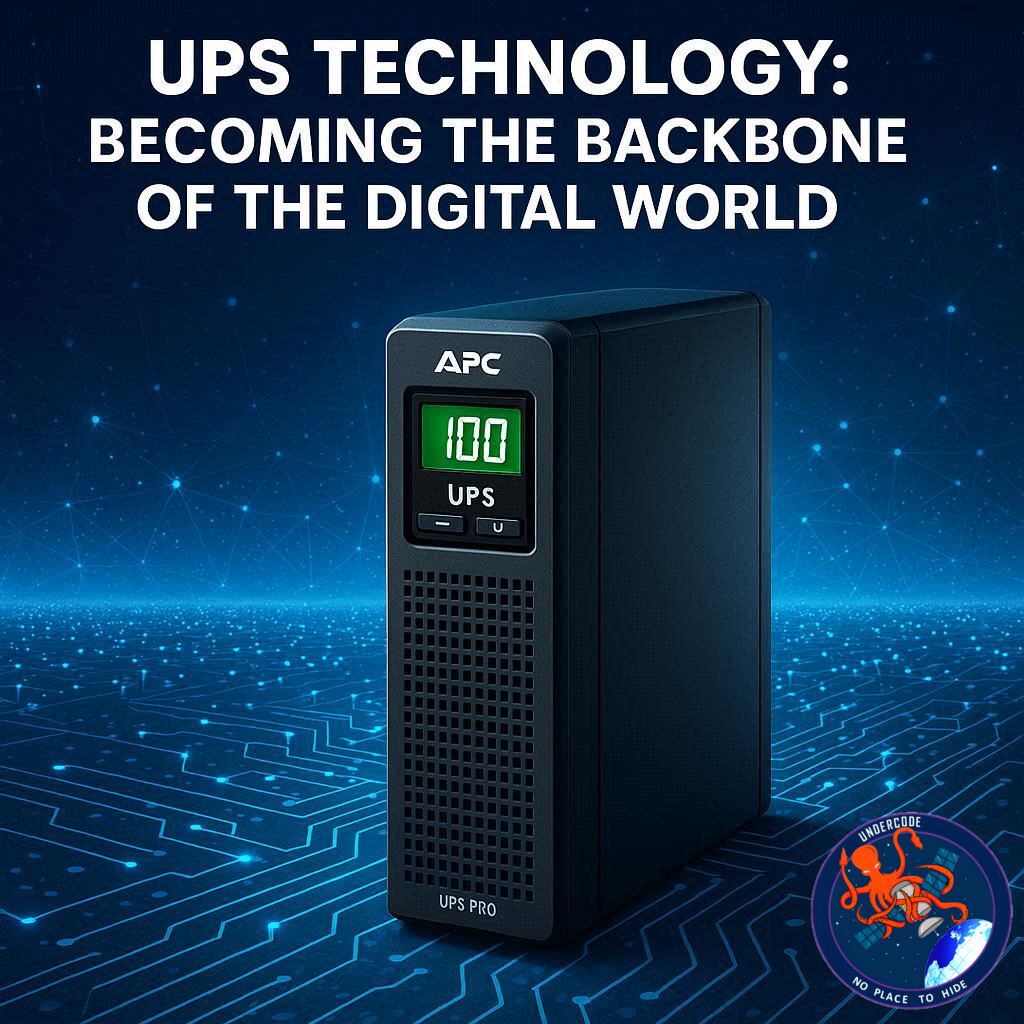
Introduction: The Invisible Technology Powering Everything
In a world driven by data, artificial intelligence, and always-on systems, power reliability has quietly become one of the most critical pillars of modern life. From personal computers to massive data centers, every digital process depends on uninterrupted electricity. Yet behind the scenes, a largely overlooked technology continues to safeguard this ecosystem: the uninterruptible power supply, or UPS. As Schneider Electric reflects on four decades of APC innovation, the message is clear. Reliable power is no longer optional. It is essential infrastructure for the future.
The Core of the Story: Why UPS Still Matters More Than Ever
The global IT industry is undergoing a major transformation, fueled by real-time data processing and the rapid expansion of generative AI across industries. From homes and offices to industrial systems, digital operations now demand constant uptime. At the center of this requirement lies the need for dependable power, ensuring that systems continue running without interruption.
UPS technology plays a crucial but often unnoticed role in maintaining this stability. During power outages, it provides immediate backup electricity, allowing users to save work and safely shut down systems. Beyond outages, UPS devices also protect against voltage fluctuations such as surges and brownouts, which can damage sensitive equipment and disrupt operations.
APC, now part of Schneider Electric, celebrates 40 years since launching its first UPS system in 1984. The early model, known as the 750, used lead-acid batteries to provide backup power for PCs and network systems. Although innovative, its high cost limited widespread adoption. A follow-up model, the 450AT+, introduced a more affordable and compact solution, paving the way for the widely recognized Back-UPS series.
Since then, UPS technology has evolved significantly, becoming a cornerstone of modern IT infrastructure. This evolution aligns with the rapid growth of data centers, which are expected to double in capacity by 2030. As digital demand increases, so does the need for resilient power systems.
One of the primary drivers of this demand is the rise of artificial intelligence. AI workloads require enormous computational power, placing unprecedented strain on data centers. According to Goldman Sachs, data center power demand could surge by 160% by the end of the decade. In such an environment, even minor power disruptions can lead to severe consequences, especially in critical sectors like healthcare and transportation.
Sustainability also plays a growing role in shaping the future of UPS technology. Data center operators are under pressure to reduce carbon emissions while meeting rising energy demands. Modern UPS systems are addressing this challenge through energy-efficient designs, recyclable materials, and longer-lasting lithium-ion batteries. These innovations not only improve performance but also reduce environmental impact and operational costs.
At the same time, edge computing is accelerating rapidly. As businesses move data processing closer to its source to enable real-time decision-making, smaller distributed infrastructures are becoming essential. These edge systems require the same level of power protection as large data centers, making UPS technology indispensable in hybrid IT environments.
Research from industry groups highlights that power disruptions remain the leading cause of downtime. This underscores the importance of robust UPS systems capable of supporting both centralized and decentralized infrastructures. With remote monitoring and management features, modern UPS solutions are becoming smarter, more adaptable, and more critical than ever before.
Looking ahead, Schneider Electric continues to invest in innovation, working with a vast global partner network to deliver reliable and sustainable power solutions. As power outages become more frequent and digital dependence grows, the company is positioning UPS technology as a foundational element of future-ready infrastructure.
What Undercode Say: The Silent Guardian of the AI Era
The Shift From Backup Tool to Strategic Infrastructure
UPS systems are no longer just emergency tools. They are evolving into strategic infrastructure components that define operational resilience. In an AI-driven world, downtime is not just inconvenient. It is expensive, dangerous, and sometimes life-threatening.
AI Changes Everything About Power Reliability
Artificial intelligence introduces a new level of sensitivity to power disruptions. Unlike traditional workloads, AI systems operate continuously, processing vast datasets in real time. A sudden interruption does not just pause operations. It can corrupt processes, disrupt learning models, and compromise results.
Data Centers Are Becoming Energy Battlegrounds
The projected surge in data center energy consumption highlights a deeper issue. Power is becoming a competitive resource. Companies that can secure stable, efficient, and scalable energy infrastructure will dominate the next phase of digital transformation.
Sustainability Is No Longer Optional
The integration of lithium-ion batteries and modular UPS systems reflects a broader shift toward sustainability. Organizations are no longer choosing between performance and environmental responsibility. They are expected to achieve both simultaneously.
Edge Computing Expands the Risk Surface
As computing moves closer to the edge, the number of critical nodes increases dramatically. Each node becomes a potential failure point. UPS systems must evolve to protect not just centralized facilities but distributed networks operating in diverse and often unstable environments.
The Hidden Cost of Downtime
Many organizations underestimate the financial and reputational damage caused by power interruptions. In sectors like healthcare, even a few seconds of downtime can have catastrophic consequences. UPS technology acts as an insurance policy against these risks.
Innovation Will Define the Next 10 Years
The future of UPS lies in intelligent systems capable of predictive maintenance, energy optimization, and seamless integration with smart grids. Companies that invest in these capabilities today will lead tomorrow’s digital economy.
The Role of Ecosystems and Partnerships
With over 150,000 partners worldwide, Schneider Electric demonstrates that resilience is not built alone. It requires collaboration across industries, technologies, and geographies.
UPS as a Foundation for Digital Trust
Reliability builds trust. In a world increasingly dependent on digital services, UPS systems play a silent but vital role in maintaining that trust by ensuring continuity and stability.
Fact Checker Results
✅ APC did introduce its first UPS system in 1984, marking 40 years of innovation
✅ Data center power demand is widely projected to grow significantly due to AI workloads
❌ UPS systems alone cannot prevent all outages, but they significantly reduce impact and risk
Prediction
🔮 UPS systems will evolve into AI-powered energy management platforms within the next decade
⚡ Edge computing growth will make compact, modular UPS solutions the fastest-growing segment
🌱 Sustainability regulations will push widespread adoption of lithium-ion and recyclable UPS designs
🕵️📝✔️Let’s dive deep and fact‑check.
References:
Reported By: www.legit.ng
Extra Source Hub (Possible Sources for article):
https://www.reddit.com/r/AskReddit
Wikipedia
OpenAi & Undercode AI
Image Source:
Unsplash
Undercode AI DI v2
Bing
🔐JOIN OUR CYBER WORLD [ CVE News • HackMonitor • UndercodeNews ]
📢 Follow UndercodeNews & Stay Tuned:
𝕏 formerly Twitter 🐦 | @ Threads | 🔗 Linkedin | 🦋BlueSky | 🐘Mastodon


