
Listen to this Post
Introduction: A Silent Transformation in Cyber Power
North Korea’s cyber operations have undergone a quiet but profound transformation. What once appeared to be a loosely organized network of hacking groups has evolved into a highly structured and adaptive ecosystem. This shift is not accidental. It reflects a deliberate strategy to increase resilience, flexibility, and operational efficiency in the face of growing global cybersecurity defenses and pressure.
Rather than relying on a single, unified approach, the regime has embraced fragmentation. At first glance, this may look like chaos. In reality, it is a calculated design that allows different cyber units to specialize, operate independently, and recover quickly when disrupted. This new model positions North Korea as one of the most agile and persistent cyber actors in the world.
Summary: A Fragmented Yet Coordinated Cyber Ecosystem
North Korea’s cyber program has transitioned into a modular system designed to withstand disruption and maximize effectiveness. This fragmentation is not a weakness but a strength, allowing the regime to deploy specialized teams aligned with specific strategic objectives. Each unit operates within its own lane, reducing the risk of exposure across the broader network.
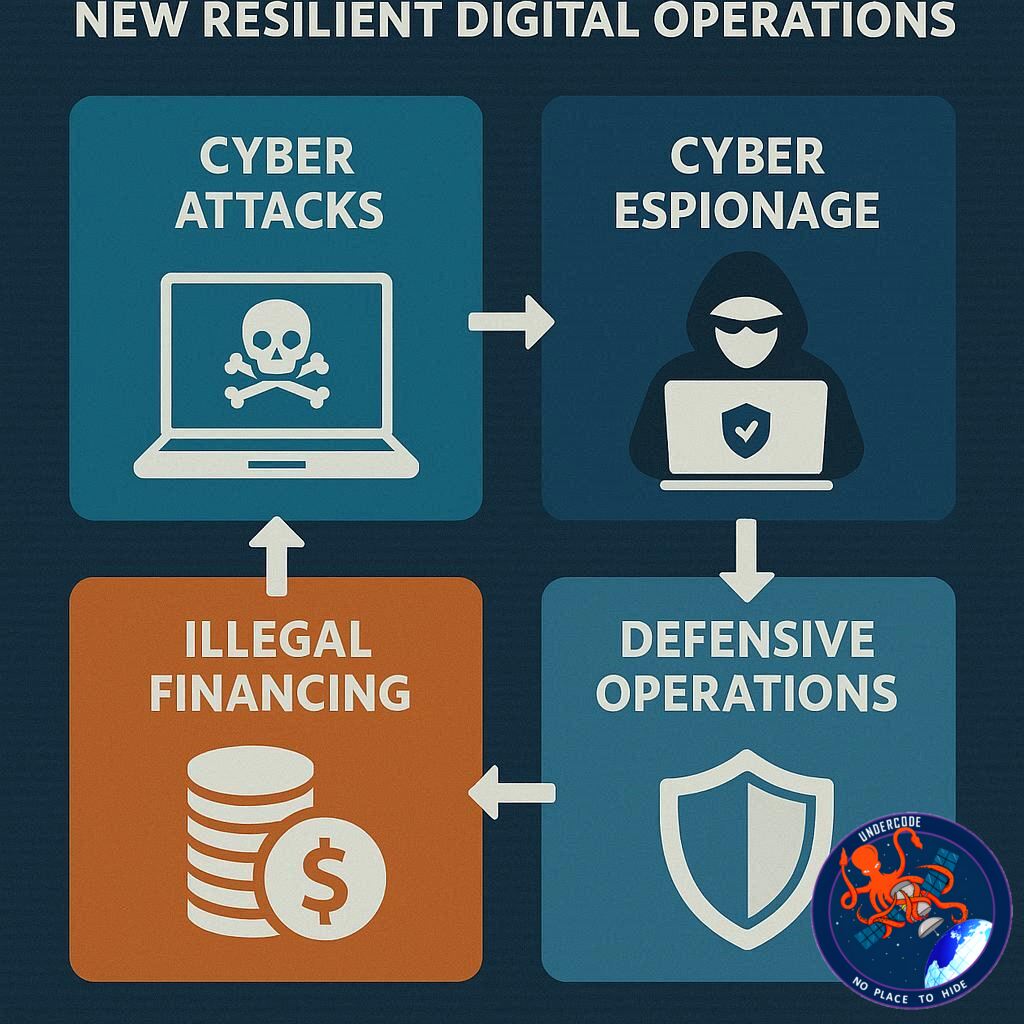
The country now maintains parallel malware development pipelines, each tailored to different mission goals. These include cyber espionage, financial operations, and disruptive attacks. By separating these functions, North Korea ensures that a compromise in one area does not jeopardize others. This compartmentalization enables simultaneous operations without interference or overlap.
A key aspect of this strategy is the treatment of malware as disposable tools. Unlike traditional cyber actors who aim to preserve their tools for long-term use, North Korean operators design malware to be used quickly, exposed if necessary, and then replaced. This “burn-and-replace” model allows them to stay ahead of defenders who rely on identifying known threats.
The ecosystem is broadly divided into three primary mission tracks. The first focuses on espionage, targeting government institutions, research facilities, and defense contractors. Groups involved in this track prioritize stealth and persistence, often using social engineering techniques such as phishing emails and weaponized documents to gain access.
One notable tactic involves the use of malicious QR codes in spearphishing campaigns. These codes are designed to bypass multi-factor authentication systems and gain control of cloud-based accounts. Once inside, attackers exploit trusted cloud services to hide their command-and-control activities within legitimate traffic, making detection significantly more difficult.
Despite the apparent separation between different cyber units, there is evidence of shared technical infrastructure. Common development libraries, loader frameworks, and cryptographic methods indicate centralized coordination. This suggests that while operations are compartmentalized, they are still guided by a unified strategic vision.
This modular design provides a significant advantage in terms of resilience. If one malware family is identified and neutralized, the impact is contained within that specific mission track. Other operations continue unaffected, allowing the overall cyber program to remain functional and effective.
For cybersecurity defenders, this evolving threat presents a major challenge. Traditional methods such as static malware signatures are no longer sufficient. North Korean tools are frequently modified, repackaged, or discarded, rendering signature-based detection ineffective almost immediately.
As a result, organizations must adopt more advanced defensive strategies. These include behavioral analytics to detect unusual activity patterns, identity monitoring to prevent unauthorized access, and enhanced visibility into cloud environments. Strengthening software supply chains is also critical, as attackers increasingly target upstream systems to gain broader access.
Ultimately, defending against this threat requires a shift in mindset. Organizations must assume that initial breaches will occur and focus on limiting the attacker’s ability to move laterally within networks.
What Undercode Say: The Strategic Genius Behind Controlled Chaos
Fragmentation as a Weapon
North Korea’s approach reveals a deep understanding of modern cybersecurity dynamics. By fragmenting its operations, the regime effectively turns complexity into a weapon. Each isolated unit acts like a self-contained organism, capable of functioning independently even if others are compromised.
Disposable Malware as a Strategic Advantage
The concept of treating malware as expendable is particularly significant. This flips the traditional cost model of cyber warfare. Instead of investing heavily in long-term tools, North Korea prioritizes speed and adaptability. This allows them to iterate rapidly and stay unpredictable.
Parallel Operations Increase Pressure
Running multiple mission tracks simultaneously creates constant pressure on global defenders. While one team focuses on espionage, another may be generating revenue through cybercrime, while a third launches disruptive attacks. This multi-front strategy stretches defensive resources thin.
Social Engineering Remains a Core Weakness
Despite advances in technology, human vulnerability continues to be exploited. The use of QR codes in phishing campaigns shows how attackers adapt to bypass modern security measures. This highlights the ongoing importance of user awareness and training.
Cloud Environments as a Battlefield
The abuse of trusted cloud services marks a shift in tactics. By blending malicious activity with legitimate traffic, attackers reduce their visibility. This forces defenders to rethink how they monitor and secure cloud environments.
Centralized Control Behind Decentralized Execution
Even with its fragmented structure, the presence of shared tools and frameworks indicates strong central coordination. This hybrid model combines the flexibility of decentralization with the strategic direction of centralized control.
The Failure of Traditional Defenses
Static defenses are increasingly obsolete in this context. Signature-based detection cannot keep up with rapidly changing malware. This exposes a critical gap in many organizations’ security strategies.
Behavioral Analytics as the Future
Detecting anomalies in behavior rather than known threats is becoming essential. This approach focuses on identifying what attackers do, not just what tools they use. It is a more adaptive and forward-looking defense strategy.
Identity as the New Security Perimeter
As attackers target cloud accounts and authentication systems, identity becomes the primary battleground. Protecting user credentials and access rights is now more important than securing physical infrastructure.
Supply Chain Risks Are Expanding
North Korea’s willingness to compromise upstream systems introduces a new level of risk. Attacks on software supply chains can have cascading effects, impacting multiple organizations at once.
Resilience Over Prevention
The shift toward assuming breaches will happen represents a major change in cybersecurity philosophy. Instead of focusing solely on prevention, organizations must prioritize resilience and recovery.
A Blueprint for Future Cyber Warfare
North Korea’s model may influence other nation-state actors. Its combination of modular design, rapid iteration, and strategic coordination offers a blueprint for future cyber operations.
The Psychological Impact on Defenders
Constantly changing threats create uncertainty and fatigue among security teams. This psychological pressure can be just as damaging as the technical challenges.
The Need for Continuous Adaptation
Defenders must adopt a mindset of continuous learning and adaptation. Static strategies will fail against dynamic adversaries.
Global Implications of a Resilient Cyber State
North Korea’s evolution signals a broader shift in global cyber conflict. Resilience and adaptability are becoming more important than sheer capability.
Fact Checker Results
✅ North Korea uses multiple specialized cyber units aligned with distinct missions.
✅ Malware is increasingly treated as disposable and frequently replaced.
❌ Traditional signature-based defenses alone are no longer sufficient against these tactics.
Prediction 🔮
North Korea will continue refining its modular cyber strategy, making its operations even harder to detect and disrupt.
Advanced AI-driven malware development could further accelerate the “burn-and-replace” cycle, reducing defender response time.
Global cybersecurity frameworks will likely shift toward identity-first and behavior-based defense models in response to this evolving threat.
🕵️📝✔️Let’s dive deep and fact‑check.
References:
Reported By: cyberpress.org
Extra Source Hub (Possible Sources for article):
https://www.medium.com
Wikipedia
OpenAi & Undercode AI
Image Source:
Unsplash
Undercode AI DI v2
Bing
🔐JOIN OUR CYBER WORLD [ CVE News • HackMonitor • UndercodeNews ]
📢 Follow UndercodeNews & Stay Tuned:
𝕏 formerly Twitter 🐦 | @ Threads | 🔗 Linkedin | 🦋BlueSky | 🐘Mastodon


