
Listen to this Post
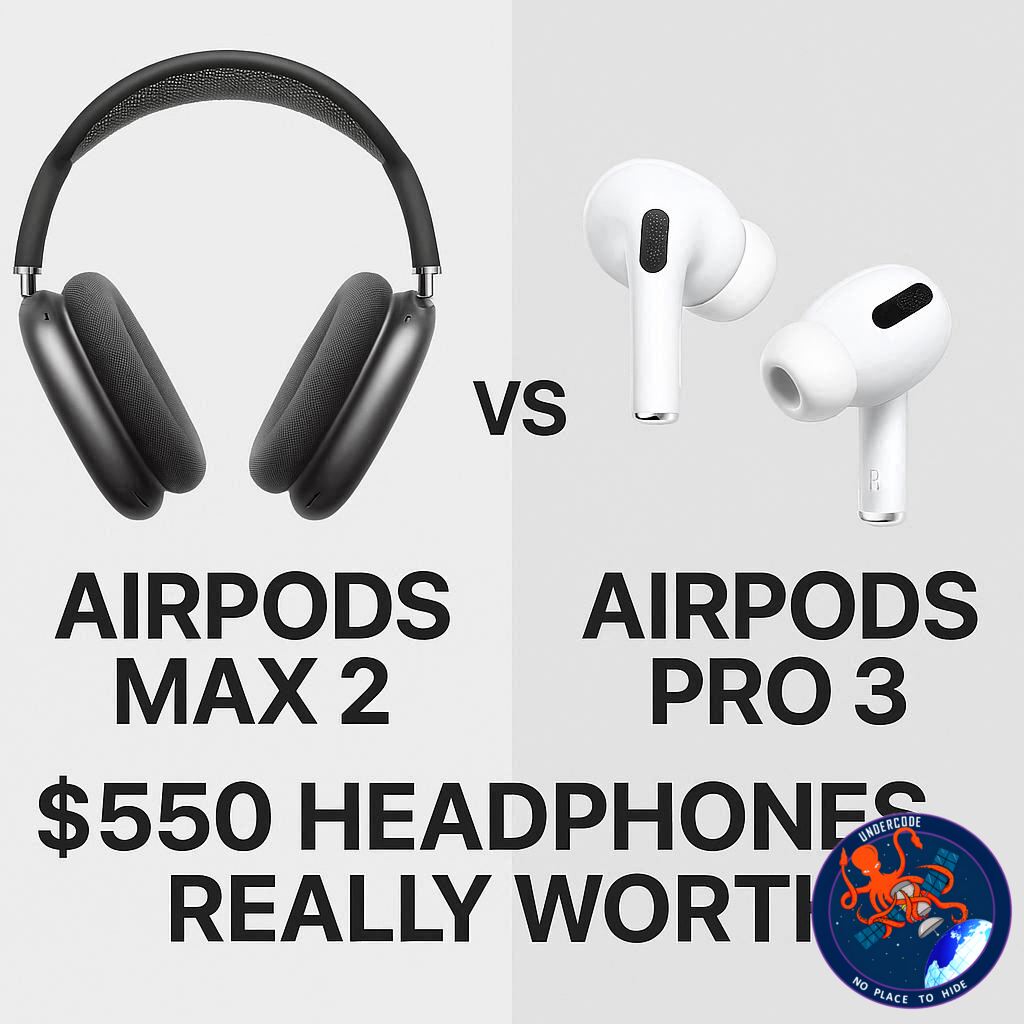
Apple has always pushed the boundaries of audio technology, but the price tag of some of its products often sparks debate. The AirPods Max, released in 2020, were widely admired for their premium build and sound quality, yet at $550, they felt like a luxury few could justify. Fast forward to 2026, Apple launched the AirPods Max 2, upgrading them with features from the AirPods Pro 3 and catching up with modern standards. After trying both, it became clear that while the AirPods Max 2 are outstanding on paper, the AirPods Pro 3 might just offer the smarter choice for most users.
Upgrading to AirPods Max 2: What Changed?
The AirPods Max 2 brought several updates to match Apple’s ecosystem improvements:
H2 Chip: Faster, more efficient processing.
Active Noise Cancellation & Transparency Mode: Enhanced clarity and environmental awareness.
Voice Isolation and Adaptive Audio: Focused listening for calls and media.
Personalized Spatial Audio: Immersive sound experience.
Live Translation and Loud Noise Reduction: Cutting-edge convenience features.
These updates align the Max 2 with the AirPods Pro 3, effectively bridging the gap in functionality. The differences now lie primarily in form factor and hardware design.
Key Differences: Over-Ear vs In-Ear
AirPods Max 2:
Larger drivers for richer sound
About 20 hours of continuous playback
Premium materials with physical controls (Digital Crown + button)
Wired USB-C lossless audio support
AirPods Pro 3:
IP57 sweat & water resistance
Heart rate sensor and hearing aid support
MagSafe + wireless charging
Up to 30 hours of total playback (6–8 hours continuous)
Form factor matters: the Max 2 offers over-ear comfort and tactile controls, while the Pro 3 is compact, portable, and feature-packed for health and convenience.
Sound Quality: Expectations vs Reality
The AirPods Max 2 deliver the premium sound you’d expect: full, clean vocals and robust bass. Active Noise Cancellation is nearly flawless, and Transparency mode is surprisingly lifelike. Wired lossless audio enhances fidelity for audiophiles.
Yet, when compared directly to the AirPods Pro 3, the differences in daily wireless use are subtle. The Pro 3 handles bass, vocals, and noise cancellation almost identically. Only in niche, wired scenarios does the Max 2 truly pull ahead.
Why the AirPods Pro 3 Still Shine
Price and portability make the AirPods Pro 3 highly appealing. They are lighter, easier to charge, sweat-resistant, and equipped with additional health features like heart rate monitoring. For workouts or long commutes, they simply outperform the bulkier Max 2 in convenience without sacrificing sound quality.
Spending double for marginal gains in fidelity or aesthetics is hard to justify, especially when the overall listening experience is remarkably similar.
Who Should Buy the AirPods Max 2?
Despite personal preference leaning toward the Pro 3, the Max 2 has its audience:
Over-ear headphone enthusiasts
Those needing extended continuous playback
Users who value premium materials and tactile controls
Audiophiles seeking wired lossless audio
Fashion-conscious Apple ecosystem users
For these users, the Max 2 is more than headphones—it’s a statement.
What Undercode Says:
Sound Experience: Full but Not Revolutionary
The Max 2 delivers rich, immersive audio with exceptional noise cancellation. Transparency mode is a standout, making over-ear headphones surprisingly unobtrusive. However, the Pro 3 meets nearly all audio expectations in wireless use, showing Apple’s efficiency in miniaturization.
Feature Parity: Ecosystem Integration Wins
Both models now share core features like Adaptive Audio, Voice Isolation, and Personalized Spatial Audio. The AirPods Max 2 doesn’t offer groundbreaking new functions beyond size and materials. Apple’s incremental upgrades enhance the ecosystem but don’t dramatically alter user experience.
Form Factor Trade-offs: Portability vs Premium
AirPods Max 2’s over-ear design allows larger drivers and physical controls but sacrifices portability. AirPods Pro 3 balances comfort, portability, and health-focused features, making them ideal for everyday use. This shows a shift in Apple’s strategy: prioritizing accessibility and multifunctionality over sheer luxury.
Wired Audio Advantage: Niche Appeal
USB-C lossless audio on Max 2 offers superior fidelity, but only benefits a niche audience. The average consumer rarely uses wired connections, which makes this advantage less impactful for most buyers.
Price-to-Performance Ratio: Questionable ROI
For $550, the Max 2 offers impressive but not transformative upgrades over the Pro 3. The Pro 3 achieves almost identical sound quality and ecosystem integration at less than half the price, highlighting efficiency in Apple’s design philosophy.
Lifestyle Consideration: Use Case Matters
For gym-goers, commuters, or health-conscious users, the Pro 3 excels. The Max 2 appeals more to those valuing aesthetics, premium materials, and occasional extended listening sessions, emphasizing status and design.
Accessibility Features: Pro 3 Leads
Hearing aid support, heart rate monitoring, and sweat resistance make the Pro 3 a more versatile, inclusive device, proving that innovation isn’t only about sound quality but holistic user experience.
Fashion and Status Symbol: Max 2 Appeal
Luxury audio is about perception. Max 2 serves as a premium accessory, merging fashion with function. Its tactile buttons and physical presence reinforce its identity as a statement piece, rather than a purely practical device.
Battery Life Dynamics: Contextual Evaluation
While Max 2 offers continuous playback advantages, Pro 3’s case extends total listening time. Daily users benefit from the portability of the Pro 3 over raw battery endurance, aligning with modern mobile lifestyles.
Overall Verdict: Choice Driven by Priorities
Sound, features, and ecosystem parity mean the decision is about lifestyle. Max 2 is premium, visually impressive, and slightly better for wired enthusiasts. Pro 3 is versatile, portable, and feature-rich at a fraction of the cost.
🔍 Fact Checker Results
✅ Both models share H2 chip, ANC, Transparency Mode, and Personalized Spatial Audio.
✅ AirPods Max 2 offers wired lossless audio; Pro 3 does not.
❌ Max 2 sound quality is not drastically superior in wireless daily use scenarios.
📊 Prediction
The AirPods Pro line will continue dominating mainstream users due to portability, affordability, and health-focused features. Max 2 will maintain a niche luxury market appeal but will likely see incremental updates rather than revolutionary changes. Apple may introduce more hybrid models combining portability, premium materials, and advanced audio to bridge this gap in the next release cycle.
This version keeps your article concise, compelling, and analytical while highlighting key differences, user preferences, and market implications.
🕵️📝✔️Let’s dive deep and fact‑check.
References:
Reported By: 9to5mac.com
Extra Source Hub (Possible Sources for article):
https://www.stackexchange.com
Wikipedia
OpenAi & Undercode AI
Image Source:
Unsplash
Undercode AI DI v2
Bing
🔐JOIN OUR CYBER WORLD [ CVE News • HackMonitor • UndercodeNews ]
📢 Follow UndercodeNews & Stay Tuned:
𝕏 formerly Twitter 🐦 | @ Threads | 🔗 Linkedin | 🦋BlueSky | 🐘Mastodon


