
Listen to this Post
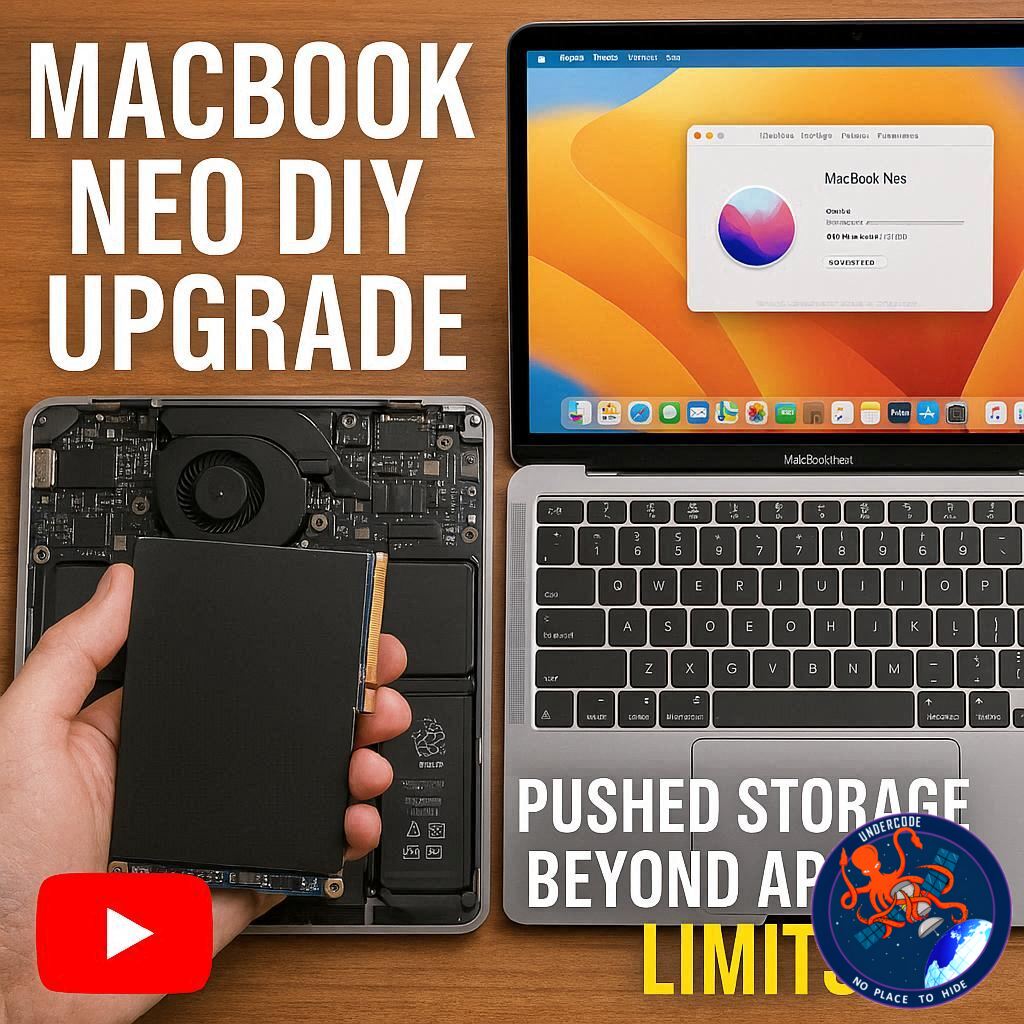
Introduction: Unlocking the Full Potential of the MacBook Neo
Apple’s new MacBook Neo has caught the attention of tech enthusiasts for its sleek design and iPhone-grade A18 Pro processor. However, its maximum storage of 512GB has left many users wanting more. Enter a daring YouTuber who decided to break Apple’s limits, upgrading the MacBook Neo to 1TB storage—an option Apple itself doesn’t offer.
DIY 1TB Upgrade Breakthrough
YouTuber Dosdude1 recently showcased a bold DIY upgrade on the MacBook Neo, replacing the stock SSD with a 1TB NAND chip. Unlike the MacBook Air or MacBook Pro, the Neo comes in only two storage options: a 256GB model at $599 and a 512GB model with Touch ID at $699. Apple offers no further configurations.
By leveraging the fact that the MacBook Neo shares the A18 Pro SoC with the iPhone 16, Dosdude1 realized that the same 1TB NAND used in the iPhone 16 Pro could work in the laptop. The K8A5 NAND model he used cost around $210. After a meticulous soldering process, the upgrade succeeded flawlessly, creating one of the very few 1TB MacBook Neos in existence.
Complexity of the Upgrade
This isn’t a simple plug-and-play upgrade. The process involves disassembling the device, preparing the new SSD for soldering, removing the old drive, and soldering the new chip in place. Users must test the new SSD for integrity, and the RAM is fixed at 8GB due to its integration in the A18 Pro SoC. This is not a task for beginners, as Macworld notes.
Cost and Accessibility
The total cost of the upgraded MacBook Neo comes to just over $800 for the base 256GB model and a little over $900 for the Touch ID 512GB model. While expensive, this allows storage-conscious users to achieve a level of performance and capacity Apple itself does not sell.
What Undercode Says:
Potential Market Impact
This DIY method may spark interest among MacBook Neo owners who feel limited by Apple’s 512GB cap. Enthusiasts who are comfortable with soldering could see this as a viable path to expand storage without moving to a higher-end device.
Comparison With Official Apple Options
Apple’s current pricing structure shows clear storage limitations. For example, paying $699 for a 512GB Neo still leaves users short of what a 1TB upgrade would provide. This DIY method undercuts Apple’s “upgrade tax” while achieving a performance boost.
Technical Considerations
While the soldered upgrade works, it carries inherent risks. Errors in the process could permanently damage the MacBook Neo, and warranties would likely be voided. Users must weigh potential gains against these risks.
DIY Community Influence
This move highlights the growing influence of DIY tech communities in pushing hardware beyond official limits. It’s a reminder that the tech ecosystem doesn’t end with manufacturer specifications.
Resale Value Implications
MacBooks upgraded to 1TB via this method might hold unique appeal to niche buyers but may also face limited resale appeal due to the non-standard modification.
Broader Hardware Trend
This approach reflects a broader trend of leveraging cross-device hardware compatibility—using iPhone-grade NAND in laptops could inspire similar innovations across Apple devices.
Impact on Apple’s Strategy
If DIY modifications like this gain traction, Apple may be compelled to offer higher storage options or adjust pricing to discourage users from bypassing official configurations.
Consumer Accessibility Challenges
Despite its appeal, the high technical barrier makes this upgrade feasible only for skilled users. Average consumers may find it cost- and risk-prohibitive.
Environmental Considerations
Upgrading existing devices extends their lifespan, reducing e-waste—a subtle but important benefit of DIY enhancements.
Innovation Inspiration
This type of DIY project inspires engineers and enthusiasts alike to think creatively about hardware limitations and optimization.
Community Learning Value
YouTube tutorials like Dosdude1’s serve as learning tools for aspiring hardware hackers, offering hands-on lessons in soldering and device engineering.
Brand Loyalty Effects
Apple users might appreciate the DIY freedom, even if it conflicts with official support, potentially strengthening brand engagement in unconventional ways.
Potential Future Developments
Tech enthusiasts may explore combining other iPhone components with MacBooks, unlocking unexpected performance or storage enhancements.
Risks of Unintended Consequences
While upgrades are enticing, incorrect installations could damage the motherboard or NAND chip, emphasizing the importance of technical skill.
What’s Next for MacBook Neo
This upgrade could pressure Apple to expand its official storage offerings for future Neo models or provide user-upgradable options.
Community and Forum Reactions
The hack may spark forum discussions, tutorials, and shared experiences, building a community around pushing MacBook Neo limits.
Cost-Benefit Analysis
For technically adept users, $800–$900 for a 1TB Neo represents significant savings compared to waiting for a higher-priced official alternative.
Accessory Integration
Additional peripherals like iPhone cases, AirTags, or wireless adapters continue to complement the Neo’s ecosystem even with hardware modifications.
What Undercode Says: Summary
Overall, this DIY upgrade represents a fascinating intersection of technical ingenuity, cost savings, and community-driven innovation. The trade-offs between risk, warranty, and technical challenge versus increased storage are clear. For enthusiasts, it’s a compelling option; for casual users, it’s a cautionary tale of what’s possible beyond Apple’s official offerings.
🔍 Fact Checker Results:
✅ The MacBook Neo officially caps at 512GB storage.
✅ The A18 Pro SoC used in the MacBook Neo is the same as in the iPhone 16 series.
❌ Apple does not offer a 1TB configuration for the MacBook Neo.
📊 Prediction:
Given growing DIY attention, we may see third-party kits or guides for Neo upgrades becoming more mainstream. Apple may respond by introducing official 1TB or higher configurations in future Neo iterations. Niche communities will continue pushing device limits, influencing both consumer expectations and Apple’s hardware strategies.
🕵️📝✔️Let’s dive deep and fact‑check.
References:
Reported By: 9to5mac.com
Extra Source Hub (Possible Sources for article):
https://www.pinterest.com
Wikipedia
OpenAi & Undercode AI
Image Source:
Unsplash
Undercode AI DI v2
Bing
🔐JOIN OUR CYBER WORLD [ CVE News • HackMonitor • UndercodeNews ]
📢 Follow UndercodeNews & Stay Tuned:
𝕏 formerly Twitter 🐦 | @ Threads | 🔗 Linkedin | 🦋BlueSky | 🐘Mastodon


