
Listen to this Post
Introduction
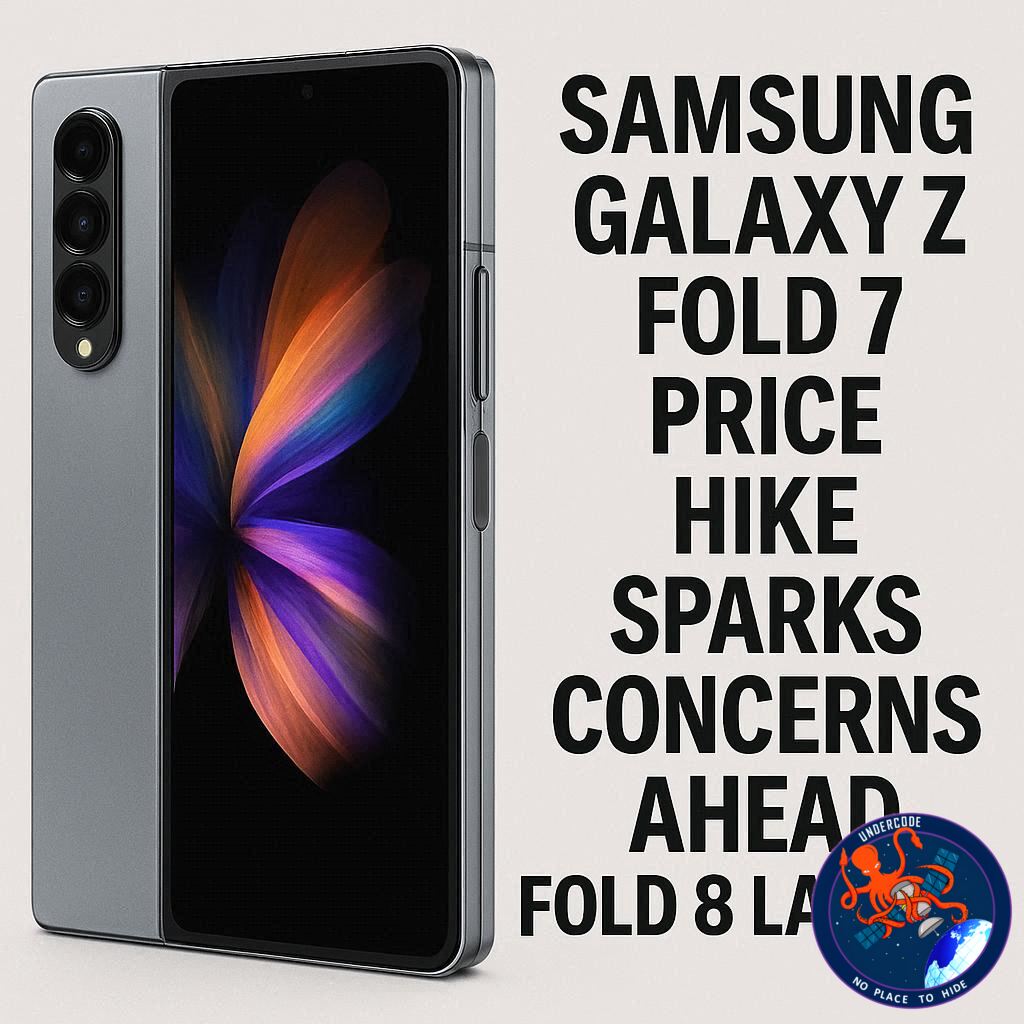
Samsung’s foldable phone lineup has been turning heads for years, blending cutting-edge technology with sleek design. But the latest price adjustments for the Galaxy Z Fold 7 have stirred conversations among tech enthusiasts and consumers alike. As storage upgrades become more costly in the United States, questions arise about affordability, market strategy, and what this signals for future Samsung devices.
Galaxy Z Fold 7 Pricing Update
Samsung has officially raised the prices for the higher-storage versions of the Galaxy Z Fold 7 in the U.S. market. While the base 256GB model remains unchanged at $1,999, the 512GB variant now costs $2,199—up $80 from its previous $2,119 launch price. Similarly, the 1TB model has increased from $2,419 to $2,499. These adjustments mirror earlier price hikes in South Korea, demonstrating a consistent global strategy for premium foldable devices.
Limited Storage Options
One critical factor amplifying the price sensitivity is the lack of a microSD card slot. With only internal storage to rely on, consumers seeking more than 256GB have no alternative but to pay for the pricier variants. In a time when app sizes, high-resolution photos, and 4K videos demand ever-increasing storage, this limitation has become a significant consideration for buyers.
Implications for Consumers
The timing of this price hike is particularly notable, given that the Galaxy Z Fold 8 is expected to launch in the coming months. For buyers, investing in a device that will soon be superseded by a newer model may feel less appealing, especially when coupled with rising costs. For Samsung, however, this move may reflect the rising component costs and the company’s attempt to maintain profit margins in a competitive premium market.
Market Context
Foldable phones are still a niche segment, with early adopters willing to pay a premium for innovation. Samsung has positioned itself as a leader in this space, but increasing prices could slow adoption among more budget-conscious consumers. Comparisons with competitors who may offer similar features at slightly lower costs could influence market share over time.
Technological Value
Despite higher prices, the Galaxy Z Fold 7 remains technologically impressive. Its foldable display, multitasking capabilities, and integration of high-end features such as advanced cameras and S Pen support continue to set it apart. For enthusiasts, the device represents a unique combination of utility and innovation that justifies some of the price increase.
What Undercode Says:
Rising Costs Reflect Industry Trends
The increase in prices is not isolated to Samsung. Globally, component shortages and inflation have driven up production costs, forcing manufacturers to adjust pricing. The $80 jump may seem modest, but it indicates a trend that could persist across the electronics industry.
Consumer Behavior Analysis
Many consumers may delay purchasing until the Z Fold 8 release. High early-adopter pricing could lead to a temporary dip in sales of the current model, though loyal fans may still commit due to the device’s unique features. Samsung’s pricing strategy balances scarcity and premium perception, keeping the Fold 7 aspirational.
Impact on Storage Decision-Making
The lack of expandable storage reinforces a psychological premium on higher-capacity models. Users forced to pay for 512GB or 1TB options may perceive added value, but this could also exacerbate consumer frustration if competitors provide more flexible storage solutions.
Long-Term Brand Strategy
Samsung’s foldable lineup continues to define the premium smartphone market. By introducing incremental price increases, the brand maintains its high-end positioning while subtly preparing the market for even more expensive future models like the Galaxy Z Fold 8.
Technological Differentiation
Despite price hikes, foldable technology remains a differentiator. Devices like the Z Fold 7 push the boundaries of multitasking, display innovation, and device versatility. This helps Samsung justify premium pricing while reinforcing its market leadership.
Economic Perspective
From an economic standpoint, the price increase may reflect broader inflationary pressures in electronics and global supply chain costs. With material costs rising, companies like Samsung are passing some of this to consumers while ensuring product quality and innovation remain uncompromised.
Competitive Implications
As competitors observe Samsung’s strategy, similar premium adjustments may become more common across foldable or high-end smartphones. The market may gradually shift toward acceptance of higher pricing for cutting-edge technology.
Consumer Sentiment Monitoring
It will be critical to monitor consumer response over the next few months. High prices could deter casual buyers but likely will not affect loyal Samsung enthusiasts, who often see the Fold series as a status symbol and technological marvel.
Innovation vs. Affordability Balance
Samsung faces a delicate balance: continuing to innovate while maintaining affordability. Pricing the higher storage variants strategically allows the company to fund research and development for future foldable devices while positioning its products as premium.
Storage and Usage Trends
The choice between 256GB and higher variants is increasingly tied to multimedia usage. Users capturing 8K videos or running multiple productivity apps are more likely to justify the additional expense, reinforcing the niche, high-value target audience.
Brand Loyalty Effects
Samsung has cultivated strong brand loyalty among its foldable device consumers. Even with price hikes, the emotional and functional attachment to the device likely reduces churn and maintains revenue stability.
Technological Evolution Forecast
The Fold 7’s evolution indicates a clear trajectory toward larger, more versatile foldable devices with higher performance and storage capacities, setting the stage for the Fold 8 to demand even higher pricing.
Supply Chain Considerations
The $80 increase hints at underlying supply chain pressures. Samsung may be factoring in rising costs for displays, batteries, and high-performance processors, ensuring profitability despite global economic volatility.
Consumer Strategy Adjustments
Consumers may adopt alternative strategies, such as buying refurbished models or trading in older devices, to offset the higher initial investment while still accessing premium foldable technology.
Market Signal for Fold 8
Price hikes for the Fold 7 could foreshadow a similar or higher starting price for the upcoming Fold 8, signaling Samsung’s confidence in the value proposition of its foldable lineup.
Product Lifecycle Economics
Samsung’s approach reflects typical premium device lifecycle economics: early adopters absorb price increases, while subsequent models target broader adoption once production and component costs stabilize.
Innovation Justifies Premium
The Fold 7’s combination of multitasking, flexibility, and cutting-edge display technology continues to offer consumers compelling reasons to invest despite higher prices.
Consumer Purchase Psychology
Higher pricing can reinforce perceptions of exclusivity and premium quality, making the Fold 7 not just a device but a symbol of technological sophistication.
Storage and Future-Proofing
For consumers, paying more now for 512GB or 1TB variants is an investment in future-proofing, as storage demands will only grow with software and multimedia evolution.
Global Pricing Strategy
Samsung’s synchronized price adjustments across regions indicate a deliberate global strategy, emphasizing consistency and profitability across markets.
What Undercode Says:
Brand Positioning Strengthened
Despite short-term concerns about affordability, Samsung’s price strategy strengthens its positioning as a leader in premium foldable technology.
Consumer Targeting Precision
By raising prices on higher storage variants, Samsung is effectively segmenting its market, targeting consumers willing to pay for advanced features without alienating entry-level buyers.
Technological Investment Justification
Higher pricing helps fund ongoing innovation, from flexible displays to enhanced multitasking capabilities, ensuring Samsung remains at the forefront of foldable technology.
Fact Checker Results:
✅ Price increase for 512GB and 1TB variants verified at $80 each.
✅ Base 256GB model remains unchanged.
✅ No microSD slot available, limiting storage expansion options.
📊 Prediction:
The Galaxy Z Fold 8 is likely to launch at even higher starting prices, particularly for premium storage configurations. Samsung will continue leveraging foldable innovation as a differentiator, with incremental price increases reflecting both technological advancements and global component cost trends. Consumer adoption will remain concentrated among tech enthusiasts willing to pay for exclusivity and cutting-edge features.
🕵️📝✔️Let’s dive deep and fact‑check.
References:
Reported By: www.sammobile.com
Extra Source Hub (Possible Sources for article):
https://www.medium.com
Wikipedia
OpenAi & Undercode AI
Image Source:
Unsplash
Undercode AI DI v2
Bing
🔐JOIN OUR CYBER WORLD [ CVE News • HackMonitor • UndercodeNews ]
📢 Follow UndercodeNews & Stay Tuned:
𝕏 formerly Twitter 🐦 | @ Threads | 🔗 Linkedin | 🦋BlueSky | 🐘Mastodon


