
Listen to this Post
Introduction
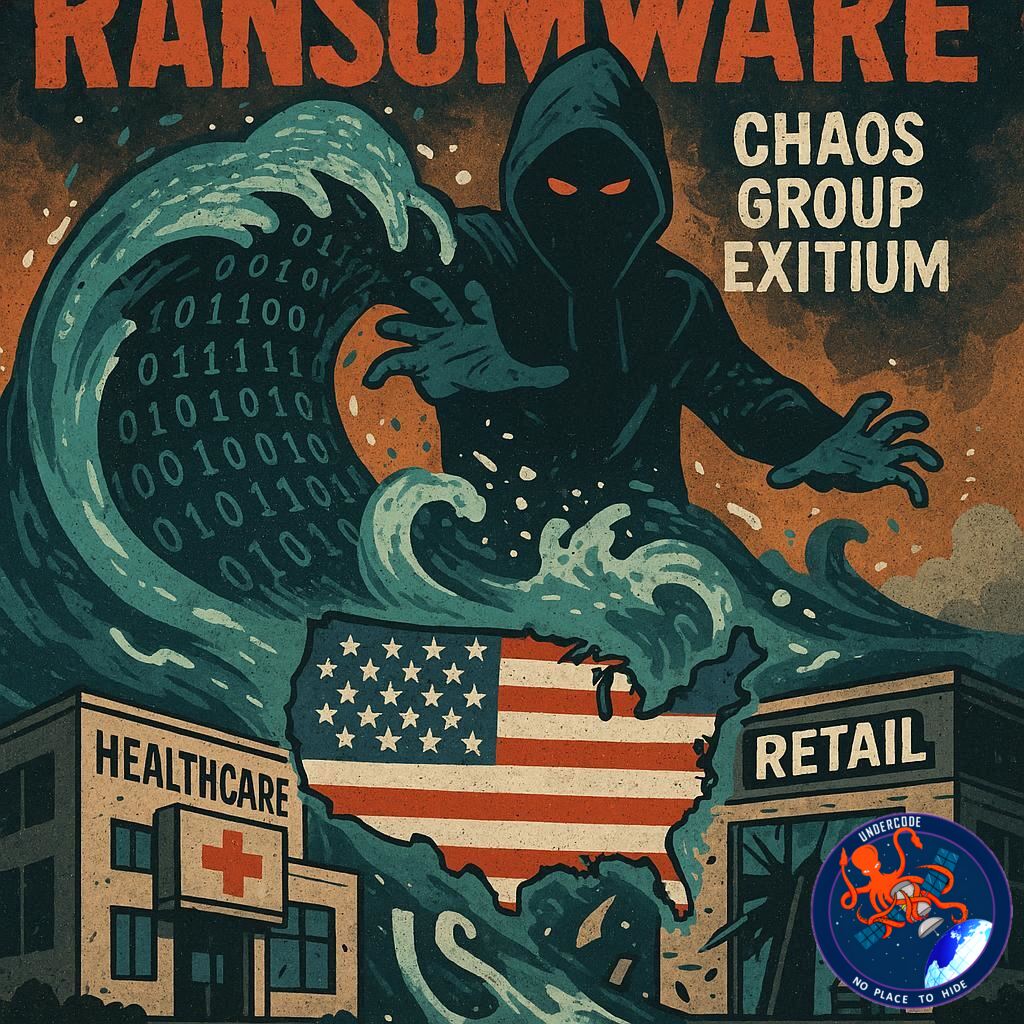
A new wave of ransomware activity is shaking multiple sectors across the United States, with confirmed claims of system breaches affecting both healthcare providers and retail infrastructure. Cybercriminal groups identified as Chaos and Exitium are now being linked to attacks that involve system encryption, data theft, and ransom demands. The incidents highlight how rapidly ransomware operations continue to evolve, targeting organizations with sensitive consumer and medical data while threatening public exposure if payments are not made.
Cybersecurity Incidents and Reported Breaches
The Chaos ransomware group has reportedly claimed responsibility for breaching and encrypting systems belonging to Coast Appliances, a US based retailer specializing in home appliances such as refrigerators, ovens, washers, freezers, and ranges. The attackers are demanding ransom in exchange for restoring system access and allegedly preventing further data exposure. The incident suggests that operational systems may have been disrupted, potentially impacting sales, inventory management, and customer service operations across the company’s digital infrastructure.
In a separate but equally concerning case, the Exitium ransomware group has targeted healthcare institutions in New York, including Gastroenterology & Hepatology of CNY. Reports indicate that partial data has already been published, signaling that sensitive patient or administrative information may have been extracted during the intrusion. The attackers have warned that full internal databases could be exposed if ransom demands are not met, escalating pressure on the affected organizations.
Additional reporting suggests that the Digestive Disease Center of CNY has also been impacted, implying that multiple interconnected healthcare providers may be sharing vulnerable systems or third party infrastructure. This raises concerns about systemic weaknesses in regional healthcare IT environments.
Cybersecurity monitoring accounts indicate that these incidents are part of a broader surge in ransomware campaigns targeting both consumer service industries and healthcare providers across the United States. The dual targeting of retail and medical sectors demonstrates the flexibility of ransomware groups in selecting victims based on potential data value and operational dependency on digital systems.
The attack on Coast Appliances is particularly significant due to the company’s role in consumer supply chains, where disruptions can affect product availability and customer order processing. Meanwhile, healthcare related breaches carry heightened risk due to the sensitivity of patient data, including medical histories, treatment records, and personal identifiers.
The use of encryption tactics combined with data leakage threats reflects a common double extortion strategy increasingly adopted by modern ransomware groups. This approach not only locks victims out of systems but also pressures them with the threat of public data release, significantly increasing the likelihood of ransom payment.
What Undercode Say:
The current ransomware landscape shows a clear shift toward multi sector targeting rather than isolated industry attacks
Groups like Chaos and Exitium are operating with structured extortion models that combine encryption and data theft
Retail systems such as Coast Appliances are attractive targets due to transactional dependency and customer data storage
Healthcare systems remain high value targets because of regulatory pressure and sensitivity of medical records
The reported breaches suggest that attackers are exploiting weaknesses in network segmentation and outdated security protocols
The fact that multiple healthcare facilities were impacted indicates possible shared infrastructure vulnerabilities
This pattern often points to third party vendor compromise or weak centralized IT management systems
Ransomware groups increasingly rely on psychological pressure by leaking partial data before full disclosure
This tactic is designed to force faster ransom negotiations and reduce victim response time
The involvement of named ransomware groups also suggests coordinated cybercrime ecosystems rather than isolated hackers
Double extortion continues to dominate as the preferred method of monetization in ransomware operations
Organizations without offline backups or incident response plans remain highly exposed during such attacks
The retail sector incident highlights how operational downtime directly translates into financial loss
Healthcare breaches introduce legal exposure in addition to reputational damage
The escalation pattern suggests attackers are testing response times across different industries
Cybercriminal groups are likely analyzing payment behavior to refine future targeting strategies
The geographic concentration in US based institutions indicates continued focus on high income regulatory environments
Law enforcement pressure has not significantly reduced ransomware activity, only shifted its operational tactics
Attackers are increasingly using public leak sites as leverage tools in negotiations
The broader trend indicates ransomware is evolving into a stable cybercrime business model rather than opportunistic attacks
Without structural cybersecurity upgrades, similar incidents are expected to continue increasing in frequency and scale
Fact Checker Results
✔ Reports of ransomware targeting both retail and healthcare sectors align with ongoing global cybercrime trends
✔ Double extortion tactics are widely used by modern ransomware groups like Chaos and Exitium
❌ Specific breach confirmations and data exposure levels may still be under investigation and not fully verified
Prediction
Ransomware campaigns will likely intensify across healthcare and retail sectors in the coming months 🔐
More organizations will face dual pressure from system encryption and data leakage threats 📉
Cybersecurity regulations and incident disclosure requirements are expected to tighten significantly across the US and EU 🌐
🕵️📝✔️Let’s dive deep and fact‑check.
References:
Reported By: x.com
Extra Source Hub (Possible Sources for article):
https://www.github.com
Wikipedia
OpenAi & Undercode AI
Image Source:
Unsplash
Undercode AI DI v2
Bing
🔐JOIN OUR CYBER WORLD [ CVE News • HackMonitor • UndercodeNews ]
📢 Follow UndercodeNews & Stay Tuned:
𝕏 formerly Twitter 🐦 | @ Threads | 🔗 Linkedin | 🦋BlueSky | 🐘Mastodon


