
Listen to this Post
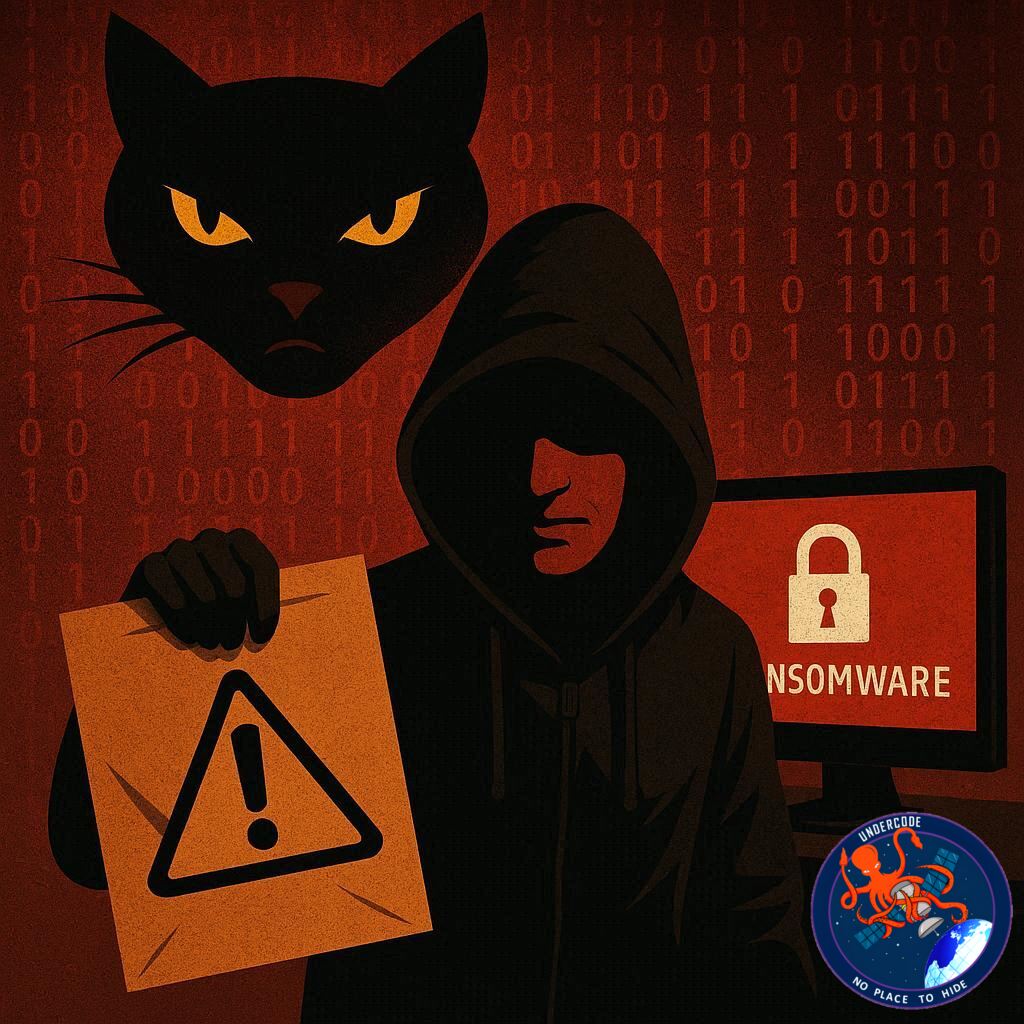
Cybersecurity Trust Breached From Within
A case emerging from the U.S. cybersecurity landscape has revealed a disturbing breach of trust inside the very industry meant to defend against digital extortion. A ransomware negotiator, tasked with protecting victims and mediating cyberattacks, has admitted to secretly collaborating with the same criminal groups he was supposed to oppose. The case revolves around the BlackCat ransomware operation, one of the most aggressive ransomware syndicates active in recent years.
BlackCat’s Expansion Through Insider Help
Between 2023 and 2024, BlackCat, also known as ALPHV, expanded its operations across multiple U.S. targets. Investigations now show that part of its success was fueled not only by hacking expertise but also by insider intelligence leaked from within cybersecurity firms. This internal corruption significantly escalated the financial damage inflicted on victims.
A Case That Exposes Industry Vulnerabilities
The prosecution of Angelo Martino, alongside other cybersecurity professionals, highlights a critical vulnerability in incident response ecosystems. Individuals with privileged access to sensitive negotiation data allegedly used their positions to assist attackers, turning defensive roles into offensive advantages for cybercriminal groups.
Detailed the Case
Angelo Martino, a 41-year-old former ransomware negotiator from Florida, pleaded guilty to conspiracy charges linked to ransomware attacks carried out in 2023.
He worked at a U.S.-based incident response company handling negotiations with ransomware attackers.
Instead of protecting victims, he allegedly collaborated with the BlackCat ransomware group.
He provided confidential client information, including insurance coverage limits and negotiation strategies.
This intelligence came from at least five victim cases he was handling professionally.
The data was used by attackers to increase ransom demands significantly.
Martino was reportedly compensated by the ransomware group for his cooperation.
He worked alongside Ryan Goldberg and Kevin Martin in coordinating attacks.
Together, they deployed BlackCat ransomware against multiple U.S. organizations.
The criminal activity occurred between April and November 2023.
One victim reportedly paid around 1.2 million dollars in Bitcoin.
The funds were distributed among the conspirators.
The proceeds were then laundered through various financial channels.
Authorities later seized approximately 10 million dollars in assets linked to Martino.
These assets included cryptocurrency, vehicles, a food truck, and a luxury fishing boat.
Officials stated that victims unknowingly relied on Martino for protection.
Instead, he allegedly used insider access to strengthen attacker leverage.
U.S. prosecutors emphasized the severity of abusing cybersecurity positions.
Martino admitted to participating in the conspiracy in federal court.
Ryan Goldberg and Kevin Martin also pleaded guilty in related proceedings.
They were employed at different cybersecurity firms during the attacks.
All three used their technical expertise to support ransomware operations.
The BlackCat group operated across multiple U.S. victims.
Their attacks ran through 2023 into late 2023 operations.
Investigators linked the group’s success to insider collaboration.
The case revealed structured profit sharing between actors and operators.
Approximately 20 percent of ransom payments were shared with collaborators.
Law enforcement continues to track financial flows from the scheme.
Sentencing for Martino is scheduled for July 2026.
He faces up to 20 years in federal prison.
What Undercode Say:
The BlackCat insider case marks a shift in how ransomware ecosystems evolve.
It is no longer just external hackers exploiting systems.
The threat now includes trained cybersecurity professionals turning against their own industry.
This creates a hybrid risk model that blends technical skill with insider privilege.
Such cases are particularly dangerous because they bypass traditional defense layers.
Incident response firms rely heavily on trust and confidentiality.
When that trust is broken, the entire response chain becomes compromised.
Martino’s role as a negotiator gave him access to highly sensitive financial thresholds.
That information directly influences how ransom demands are structured.
In ransomware economics, knowing a victim’s insurance coverage changes everything.
It allows attackers to calibrate demands to maximum payable limits.
This is why insider leaks are more valuable than technical exploits in some cases.
The BlackCat group effectively monetized professional cybersecurity knowledge.
This represents a convergence of legitimate expertise and criminal incentives.
The profit-sharing model shows how ransomware has become a business ecosystem.
Participants are no longer just hackers but structured financial actors.
Cybersecurity companies now face reputational and operational risks from within.
Background checks alone may not be enough to prevent insider threats.
Continuous monitoring of privileged access becomes essential.
Ethical enforcement inside incident response teams is now a critical security layer.
The case also highlights weaknesses in cross-firm cybersecurity collaboration.
Multiple companies were involved, yet coordinated abuse still occurred.
This suggests systemic gaps in oversight mechanisms.
Ransomware groups actively seek insiders as force multipliers.
The most valuable breach is no longer just a system, but a human role.
Future cyber defense strategies must account for internal economic manipulation.
The line between defender and attacker is becoming increasingly blurred.
Legal consequences are being used as a deterrent, but risk remains high.
Asset seizures show law enforcement is targeting financial incentives directly.
However, prevention remains more complex than punishment after the fact.
The cybersecurity industry now faces a credibility stress test.
Trust is becoming the most vulnerable attack surface in cyber defense.
Fact Checker Results
✔ Martino pleaded guilty to conspiracy tied to ransomware operations
✔ BlackCat/ALPHV was active in multi-victim U.S. ransomware campaigns in 2023
✔ U.S. DOJ confirmed insider involvement and asset seizures exceeding 10 million dollars
Prediction
The rise of insider-assisted ransomware cases is likely to increase in the coming years 🔮
Cybersecurity firms will adopt stricter behavioral monitoring and financial transparency checks 📊
Future ransomware groups may actively recruit from within security industries, not just hack them ⚠️
▶️ Related Video (84% Match):
🕵️📝✔️Let’s dive deep and fact‑check.
References:
Reported By: securityaffairs.com
Extra Source Hub (Possible Sources for article):
https://www.linkedin.com
Wikipedia
OpenAi & Undercode AI
Image Source:
Unsplash
Undercode AI DI v2
Bing
🔐JOIN OUR CYBER WORLD [ CVE News • HackMonitor • UndercodeNews ]
📢 Follow UndercodeNews & Stay Tuned:
𝕏 formerly Twitter 🐦 | @ Threads | 🔗 Linkedin | 🦋BlueSky | 🐘Mastodon


