
Listen to this Post
 A Quiet Publisher at the Center of a Growing Cyberstorm
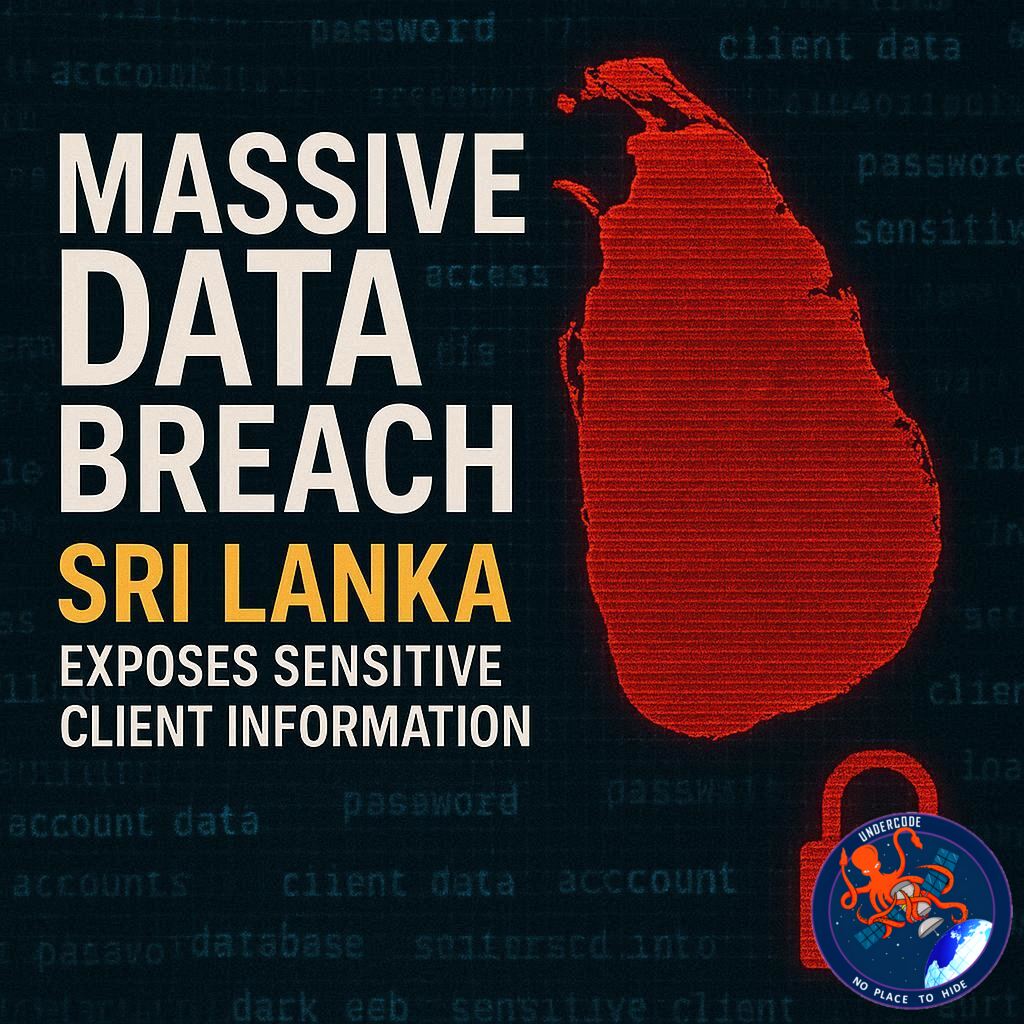
A Sri Lankan publishing entity, Padanama Publication, has reportedly fallen victim to a serious cybersecurity breach. What might have once been considered a low-profile organization has now been thrust into the spotlight for all the wrong reasons. According to reports circulating online, a large database containing highly sensitive client information has been extracted and is now allegedly being sold on dark web marketplaces.
The Breach That Sparked Alarm
The incident first surfaced through cybersecurity monitoring channels that track illegal activity on underground forums. The breach involves a dataset believed to include extensive personally identifiable information. This could range from names and contact details to potentially more sensitive records, depending on how deeply the attackers infiltrated the system. The fact that this information is now being offered for sale significantly raises the stakes, as it opens the door for identity theft, fraud, and targeted phishing attacks.
The Nature of Exposed Data
While the full scope of the leaked database has not been publicly verified, early indications suggest that the data could be substantial. Personally identifiable information, often referred to as PII, is among the most valuable commodities in cybercrime circles. Criminal actors use such data to construct detailed profiles of individuals, which can then be weaponized for financial gain or further breaches. The exposure of this type of data can have long-term consequences for affected individuals.
Dark Web Marketplaces Fuel the Risk
The dark web plays a central role in amplifying the impact of breaches like this one. Once stolen data is uploaded and listed for sale, it becomes accessible to a wide network of cybercriminals. Buyers may include fraudsters, identity thieves, or even organized cybercrime groups looking to expand their operations. The decentralized nature of these marketplaces makes it extremely difficult for authorities to track and shut down such activities quickly.
A Pattern of Increasing Attacks
This incident is not isolated. Over the past few years, there has been a noticeable rise in cyberattacks targeting organizations of all sizes, including smaller institutions that may lack robust cybersecurity infrastructure. Attackers are increasingly opportunistic, exploiting vulnerabilities wherever they find them. The publishing sector, often overlooked in cybersecurity discussions, is now becoming a target due to the valuable user data it holds.
The Supply Chain Threat Expands the Landscape
Adding to the broader cybersecurity concerns, researchers have also identified a separate but equally alarming issue involving a malicious software package disguised as a legitimate tool. A compromised version of a widely used command-line interface was reportedly uploaded to a public repository. This fake package was modified to execute hidden malicious code, potentially allowing attackers to gain unauthorized access to systems that installed it.
The Danger of Impersonation in Software Distribution
This supply chain attack highlights a growing trend where attackers mimic trusted software to infiltrate systems. By impersonating legitimate tools, they can bypass traditional security checks and gain access to sensitive environments. Developers and organizations that rely heavily on open-source packages are particularly vulnerable, as they often install dependencies without thoroughly verifying their authenticity.
The Ripple Effect on Trust and Security
Both the data breach and the malicious package incident underscore a broader issue in the digital ecosystem. Trust is becoming increasingly fragile. Users trust organizations to protect their data, and developers trust software repositories to provide safe tools. When these trust points are compromised, the consequences extend far beyond a single incident.
What Undercode Say:
Cybersecurity Is No Longer Optional
The breach at Padanama Publication highlights a harsh reality. Cybersecurity is no longer a luxury or an afterthought. It is a fundamental requirement for any organization that handles user data. Even smaller institutions must adopt enterprise-level security practices, as attackers do not discriminate based on size or reputation.
Data as Currency in the Digital Underground
In today’s cybercrime economy, data functions as a form of currency. The more detailed and accurate the information, the higher its value. This explains why databases containing PII are frequently targeted. Attackers understand that a single breach can yield thousands, if not millions, of dollars in illicit profits.
Weak Links Create Systemic Risks
The supply chain attack involving the fake software package reveals how vulnerabilities in one area can cascade into broader threats. A single compromised dependency can infect multiple systems, creating a chain reaction that is difficult to contain. This interconnected risk is one of the most challenging aspects of modern cybersecurity.
The Illusion of Obscurity Is Dangerous
Some organizations assume that being less prominent makes them less attractive targets. This is a dangerous misconception. In reality, attackers often prefer smaller targets because they tend to have weaker defenses. The Padanama incident serves as a reminder that obscurity does not equal security.
Human Factors Remain a Critical Weakness
Technology alone cannot prevent breaches. Human error continues to be a major factor in cybersecurity incidents. Whether it is weak passwords, unpatched systems, or lack of awareness, these vulnerabilities are often exploited by attackers. Organizations must invest in both technology and education to build a resilient defense.
The Dark Web as a Persistent Threat Engine
The role of the dark web in facilitating cybercrime cannot be overstated. It acts as a marketplace, a communication hub, and a distribution channel for stolen data and malicious tools. As long as these platforms exist, breaches will continue to have far-reaching consequences.
Regulatory Pressure Will Intensify
Incidents like this are likely to attract increased scrutiny from regulators. Governments around the world are already tightening data protection laws, and breaches involving sensitive information often lead to stricter compliance requirements. Organizations that fail to adapt may face legal and financial repercussions.
Cybersecurity Culture Must Evolve
Ultimately, the solution lies in creating a culture of security. This means integrating cybersecurity into every aspect of an organization, from leadership decisions to daily operations. It is not just about preventing attacks but about being prepared to respond effectively when they occur.
Fact Checker Results
✅ Reports confirm a data breach involving Padanama Publication and exposure of client data
⚠️ Exact scope of leaked information remains unverified and may evolve
❌ No official public statement from the organization has been widely confirmed yet
Prediction
The frequency of data breaches targeting smaller organizations will increase as attackers continue to exploit weaker defenses. ⚠️
Supply chain attacks will become more sophisticated, making software verification a critical priority. 🚨
Global cybersecurity regulations will tighten, forcing even small entities to adopt stricter data protection measures. ✅
🕵️📝✔️Let’s dive deep and fact‑check.
References:
Reported By: x.com
Extra Source Hub (Possible Sources for article):
https://www.github.com
Wikipedia
OpenAi & Undercode AI
Image Source:
Unsplash
Undercode AI DI v2
Bing
🔐JOIN OUR CYBER WORLD [ CVE News • HackMonitor • UndercodeNews ]
📢 Follow UndercodeNews & Stay Tuned:
𝕏 formerly Twitter 🐦 | @ Threads | 🔗 Linkedin | 🦋BlueSky | 🐘Mastodon


