
Listen to this Post
Emerging Threat Signals a Dangerous Shift
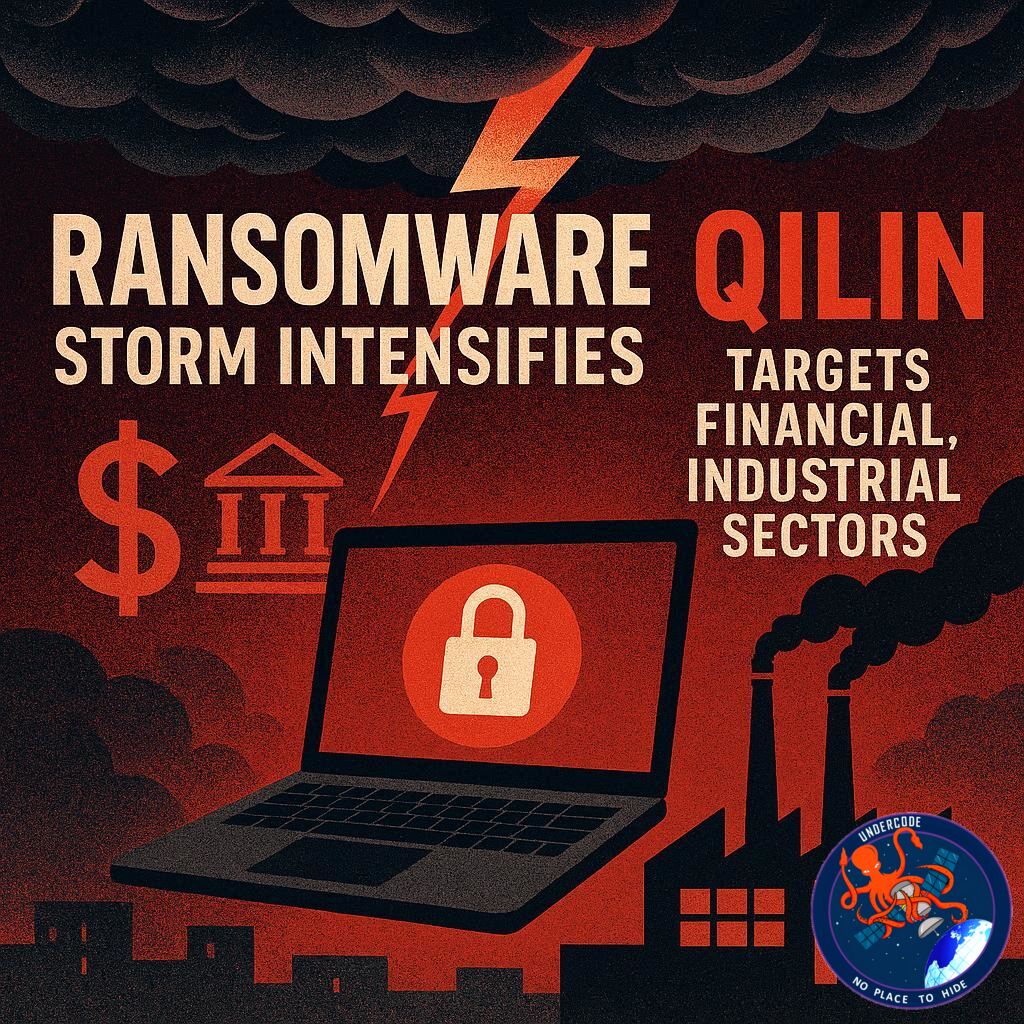
A new wave of ransomware activity is raising alarms across cybersecurity circles, as the Qilin ransomware group continues to expand its list of victims. Recent intelligence indicates that both financial institutions and industrial companies are now firmly in the crosshairs. These developments highlight a broader pattern of increasingly aggressive and diversified cyberattacks targeting critical sectors.
Key Incident Overview and Timeline
On April 25, 2026, cybersecurity monitoring detected two separate but closely timed incidents attributed to the Qilin ransomware group. The first victim identified was First County Federal Credit Union, followed shortly after by Leistritz Turbine Technology. Both incidents were flagged through dark web surveillance and threat intelligence tracking systems, suggesting that the attackers may have already exfiltrated sensitive data before publicly naming their targets.
Financial Sector Under Pressure
The attack on First County Federal Credit Union underscores the growing vulnerability of financial institutions to ransomware campaigns. Credit unions, often perceived as smaller and less fortified than major banks, present appealing targets for cybercriminal groups seeking quick payouts. These organizations manage sensitive financial data, making them particularly susceptible to extortion tactics.
Industrial Targets Signal Strategic Expansion
The inclusion of Leistritz Turbine Technology in the victim list reveals a deliberate expansion into industrial and manufacturing sectors. Companies involved in turbine technology play a role in energy production and infrastructure, making them high-value targets. Disruptions in such sectors can have cascading effects on supply chains and national economies.
The Role of Threat Intelligence Monitoring
The detection of these incidents was made possible through continuous monitoring of ransomware activity on the dark web. Threat intelligence platforms track indicators of compromise and command-and-control communications, allowing early identification of emerging threats. This proactive approach enables organizations to prepare defensive measures before attacks escalate.
Dark Web Exposure and Public Disclosure
Ransomware groups like Qilin often publish victim names on dark web leak sites as part of their pressure strategy. This tactic serves to publicly shame organizations and accelerate ransom negotiations. The listing of victims is typically a sign that initial contact has failed or that the attackers are escalating their demands.
Increasing Frequency of Coordinated Attacks
The close timing between the two reported incidents suggests a coordinated campaign rather than isolated attacks. Cybercriminal groups are becoming more organized, launching multiple attacks in parallel to maximize impact and profits. This trend reflects a shift toward industrialized cybercrime operations.
Data Exfiltration as a Core Strategy
Modern ransomware attacks are no longer limited to encrypting files. Groups like Qilin often exfiltrate data before deploying encryption, enabling them to threaten public leaks if ransom demands are not met. This dual-layered approach significantly increases pressure on victims.
Rising Visibility Through Social Platforms
Information about these incidents surfaced through social media monitoring, highlighting the role of public platforms in disseminating cybersecurity intelligence. Analysts and threat hunters frequently share real-time updates, creating a decentralized but effective warning system.
Broader Implications for Cybersecurity Readiness
These incidents emphasize the need for organizations to adopt comprehensive cybersecurity strategies. From endpoint protection to employee awareness training, defense must evolve alongside increasingly sophisticated threats.
What Undercode Say:
A Pattern That Cannot Be Ignored
The Qilin ransomware group is not acting randomly. There is a clear pattern emerging in how targets are selected and how attacks are executed. Financial institutions and industrial firms represent two pillars of economic stability. By hitting both simultaneously, attackers are sending a message that no sector is out of reach.
The Psychology Behind Public Listings
Publishing victim names is not just a technical step, it is psychological warfare. When a company sees its name exposed on the dark web, the pressure multiplies. Customers begin to worry, regulators start asking questions, and internal panic rises. This tactic often forces faster decision-making, sometimes leading to rushed ransom payments.
Why Credit Unions Are Increasingly Targeted
Smaller financial entities often lack the layered defenses of larger banks. While they handle sensitive data, their cybersecurity budgets may not match the threat landscape. This imbalance creates an attractive opportunity for ransomware groups seeking maximum leverage with minimal resistance.
Industrial Sector as a High-Impact Target
Targeting a turbine technology company is not accidental. Industrial firms are deeply embedded in supply chains. A disruption here does not stay isolated, it spreads. Production delays, contractual penalties, and downstream impacts make these companies more likely to comply with ransom demands quickly.
Speed and Coordination Reflect Maturity
The near-simultaneous reporting of two victims suggests operational maturity within the Qilin group. This is no longer a loose collective of hackers. It resembles a structured organization with workflows, timelines, and possibly even dedicated teams for different stages of the attack.
The Evolution of Ransomware Economics
Ransomware has evolved into a business model. Groups invest in tools, infrastructure, and intelligence gathering. They calculate risk versus reward, choosing targets that maximize financial return. This professionalization makes them harder to disrupt.
The Role of Intelligence Platforms
Threat intelligence platforms are becoming the frontline defense. They do not stop attacks directly, but they provide visibility. Early detection can mean the difference between a contained incident and a full-scale breach.
A Growing Gap Between Attackers and Defenders
Attackers are moving fast, often faster than organizations can adapt. While companies invest in cybersecurity, attackers innovate continuously. This creates a persistent gap that is difficult to close without significant changes in strategy.
The Human Factor Remains Critical
Despite advanced tools, many breaches still begin with human error. Phishing emails, weak passwords, or misconfigured systems can open the door. Technology alone cannot solve this problem without strong user awareness.
Regulatory Pressure Will Intensify
As incidents like these become more frequent, regulatory bodies are likely to impose stricter cybersecurity requirements. Companies will need to demonstrate not just compliance, but resilience.
Fact Checker Results
✅ Confirmed ransomware attribution to Qilin group based on threat intelligence monitoring
⚠️ Limited public details on breach impact or ransom demands
❌ No official statements yet from the affected organizations
Prediction
The Qilin ransomware group is likely to escalate its operations, targeting additional mid-sized financial and industrial organizations. Expect a rise in multi-victim campaigns executed within short timeframes, combined with more aggressive data leak tactics to pressure victims into rapid payment.
🕵️📝✔️Let’s dive deep and fact‑check.
References:
Reported By: x.com
Extra Source Hub (Possible Sources for article):
https://www.medium.com
Wikipedia
OpenAi & Undercode AI
Image Source:
Unsplash
Undercode AI DI v2
Bing
🔐JOIN OUR CYBER WORLD [ CVE News • HackMonitor • UndercodeNews ]
📢 Follow UndercodeNews & Stay Tuned:
𝕏 formerly Twitter 🐦 | @ Threads | 🔗 Linkedin | 🦋BlueSky | 🐘Mastodon


