
Listen to this Post
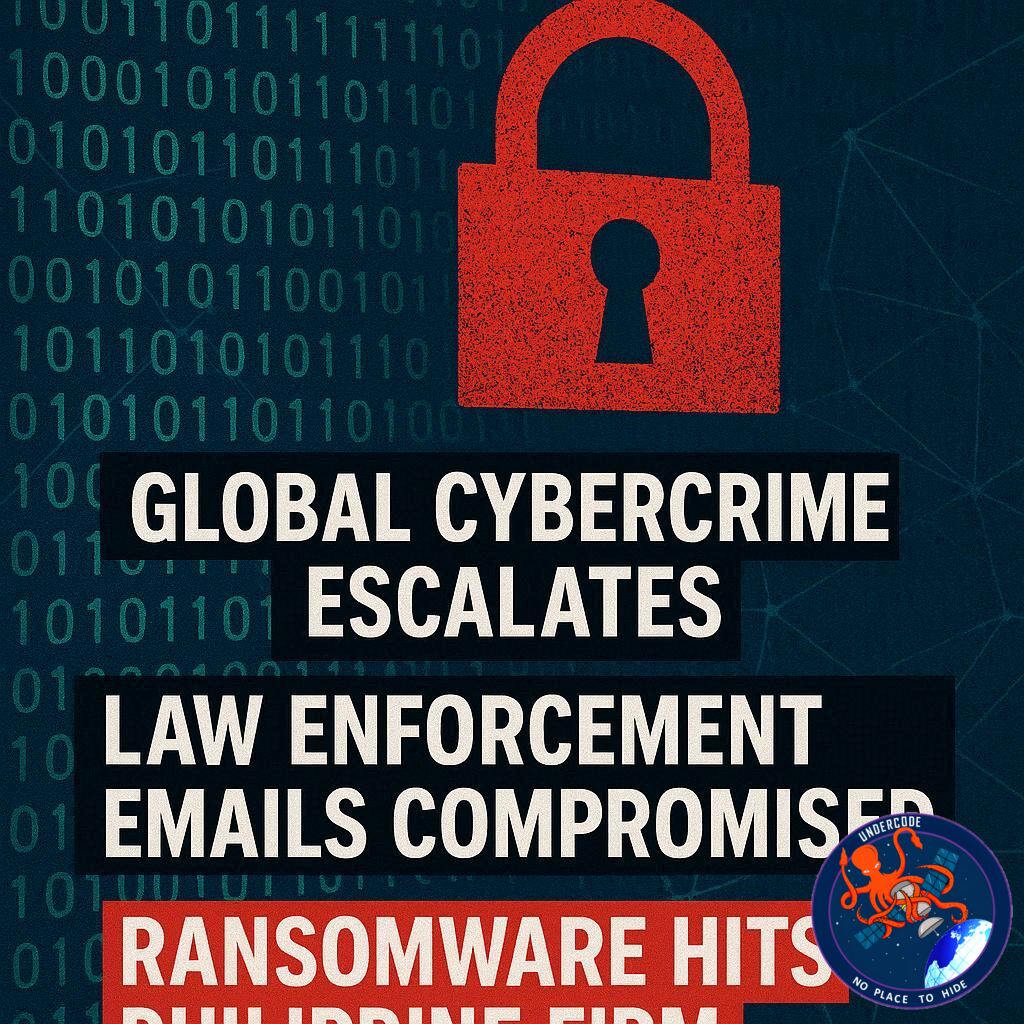
The digital crime landscape is rapidly evolving, with threat actors exploiting vulnerabilities in both corporate and governmental systems. Recent reports highlight alarming incidents: law enforcement emails from multiple countries have been compromised, and major ransomware attacks are targeting critical businesses in Southeast Asia. These breaches not only threaten sensitive data but also amplify risks of doxxing, swatting, and large-scale operational disruption.
Compromised Law Enforcement Emails and Forged Court Orders
A threat actor identified as 0056113 is reportedly selling access to law enforcement email accounts from 10 countries. Alongside these emails, forged court orders are offered at prices ranging from $20 to $100. These tools enable malicious actors to submit fraudulent Emergency Data Requests to social media platforms, including Meta and TikTok. The consequences include potential doxxing of individuals and swatting incidents, which can endanger lives and compromise investigations.
Ransomware Strike on Pricon Microelectronics
In a separate but equally concerning development, LockBit5 has claimed responsibility for a ransomware attack on Pricon Microelectronics, a Philippine-based electronics company. This attack may involve both encryption of critical company data and exfiltration of sensitive information. The breach poses operational risks, potential financial loss, and reputational damage, highlighting the ongoing vulnerabilities within corporate cybersecurity frameworks in Southeast Asia.
The Growing Threat of Emergency Data Exploitation
The sale of compromised law enforcement emails signifies a dangerous trend in cybercrime: the monetization of institutional access for targeted attacks. By leveraging these emails, cybercriminals can manipulate trusted channels to extract information, bypassing conventional security measures. Platforms like TikTok and Meta, which are often the focus of Emergency Data Requests, must now contend with the challenge of verifying legitimacy in an environment of increasing digital fraud.
International Implications of Cybercrime
The international scope of these attacks underscores the transnational nature of modern cybercrime. Compromised data from law enforcement agencies in multiple countries creates a network of vulnerabilities that can be exploited globally. This highlights the urgent need for cross-border collaboration, stronger cybersecurity protocols, and rigorous authentication measures in handling sensitive communications.
The Role of Social Media Platforms
Social media platforms remain prime targets for these schemes, particularly given their repository of personal data and influence over public perception. Fraudulent Emergency Data Requests can not only compromise user safety but also erode trust in these platforms’ ability to protect sensitive information. Proactive detection algorithms and improved reporting mechanisms are critical to mitigating these risks.
What Undercode Says:
Escalating Cybercrime Sophistication
Cybercriminals are increasingly sophisticated, combining low-cost tools with high-impact outcomes. The sale of law enforcement emails at $20-$100 demonstrates how minimal investment can yield access to highly sensitive systems. This economic efficiency lowers the barrier for cybercrime, allowing more actors to engage in potentially dangerous exploits like doxxing and swatting.
Data Breaches and Operational Risk
The LockBit5 ransomware incident exemplifies the dual threat of encryption and data exfiltration. Companies like Pricon Microelectronics face a cascade of risks: operational disruption, financial loss, and reputational damage. Even with robust IT infrastructure, ransomware attacks exploit human error and supply chain vulnerabilities, making prevention and response strategies more complex and costly.
Cross-Border Cybersecurity Challenges
With compromised law enforcement emails spanning 10 countries, this incident demonstrates the global scale of cybercrime. It also highlights the difficulty of enforcing cybersecurity laws across jurisdictions. Collaboration between international law enforcement agencies and private cybersecurity firms is now essential to identify threat actors and prevent widespread exploitation.
The Human Factor in Cybersecurity
Emergency Data Requests exploit trust in human systems rather than technical loopholes. Training staff to verify requests and implementing multi-step authentication for sensitive communications are critical measures. Organizations must acknowledge that human oversight is often the weakest link in digital security.
Implications for Social Media and Data Privacy
Social media platforms must enhance mechanisms to distinguish legitimate requests from fraudulent ones. Users’ trust in platforms like Meta and TikTok depends on the security of their data, especially given the rising frequency of targeted doxxing attacks. Real-time anomaly detection and proactive account monitoring could significantly reduce exposure to these threats.
Economic Impact of Cybercrime
Cybercrime incurs direct costs through ransom payments and remediation and indirect costs via reputational damage, litigation, and regulatory penalties. For businesses in emerging markets, such as the Philippines, the economic toll can be severe, affecting investor confidence and long-term growth potential.
Policy Recommendations
Stronger cybersecurity regulations, mandatory reporting of breaches, and international standards for Emergency Data Requests could help curb these trends. Policymakers must prioritize rapid information sharing between governments and corporations to anticipate and mitigate attacks before they escalate.
Long-Term Outlook
If current trends continue, cybercrime will increasingly target trusted communication channels within governmental and corporate systems. The convergence of low-cost access and high-impact targets makes prevention more challenging. Organizations must adopt multi-layered defenses, combining technology, training, and policy interventions.
🔍 Fact Checker Results:
✅ Threat actor 0056113 is reported to sell law enforcement emails and forged court orders.
✅ LockBit5 claimed responsibility for the ransomware attack on Pricon Microelectronics.
❌ No verified evidence yet that actual Emergency Data Requests have led to widespread doxxing or swatting.
📊 Prediction:
Cybercrime will continue evolving toward low-cost, high-impact strategies targeting institutional email systems and social media platforms. Law enforcement and corporate entities must invest in cross-border cybersecurity measures, automated verification systems, and staff training. Failure to adapt will likely result in an increase in fraudulent Emergency Data Requests, ransomware attacks, and global digital security incidents, with Southeast Asia and transnational targets particularly at risk.
🕵️📝Let’s dive deep and fact‑check.
References:
Reported By: x.com
Extra Source Hub (Possible Sources for article):
https://www.discord.com
Wikipedia
OpenAi & Undercode AI
Image Source:
Unsplash
Undercode AI DI v2
Bing
🔐JOIN OUR CYBER WORLD [ CVE News • HackMonitor • UndercodeNews ]
📢 Follow UndercodeNews & Stay Tuned:
𝕏 formerly Twitter 🐦 | @ Threads | 🔗 Linkedin | 🦋BlueSky | 🐘Mastodon


