
Listen to this Post
Introduction: Rising Cyber Threats Across Key Institutions
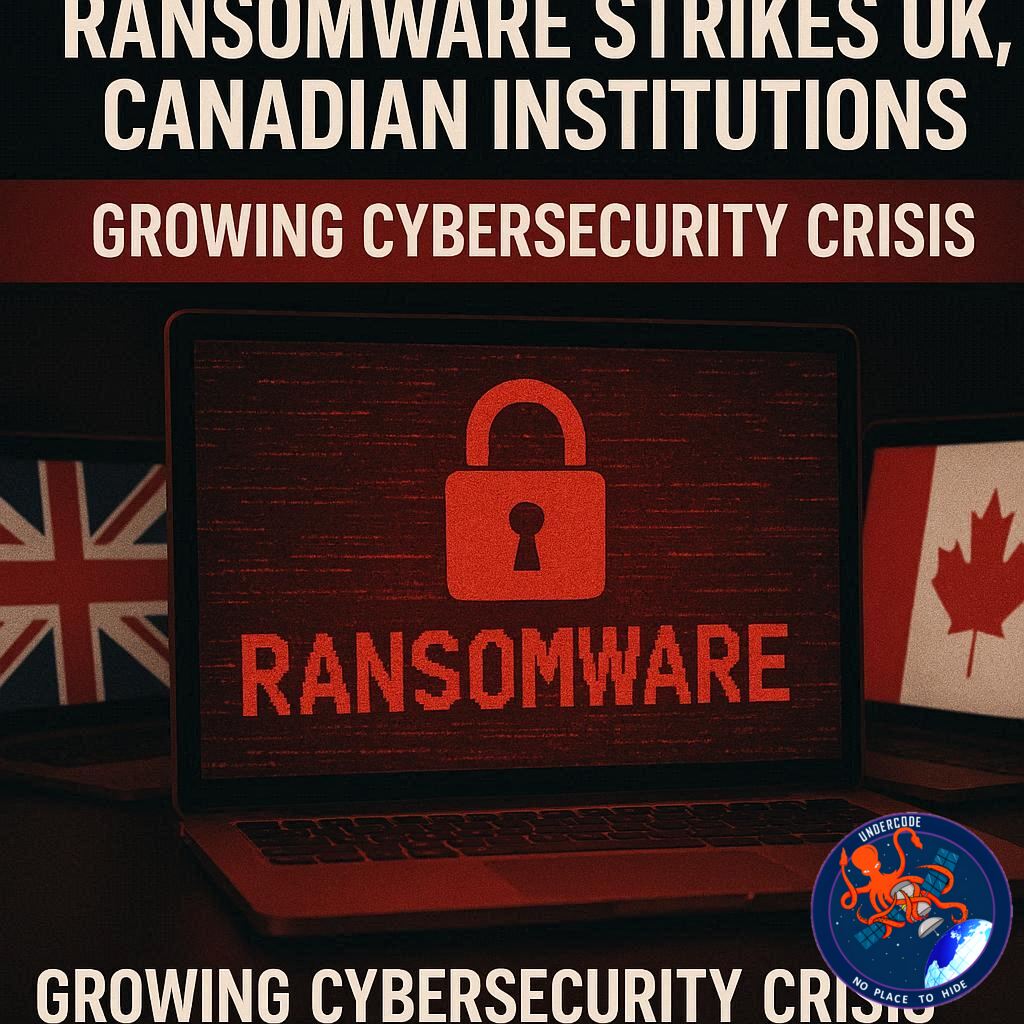
Cybersecurity threats are escalating globally, targeting both cultural institutions and local government bodies. In recent days, Anvil Arts, the largest performing arts organization in Hampshire, UK, and the Rural Municipality of Gimli in Canada have fallen victim to cyberattacks, highlighting the vulnerabilities of organizations that are often underprepared for sophisticated digital threats. These incidents underscore the urgent need for proactive cybersecurity strategies to protect sensitive data and critical infrastructure.
Recent Cyber Incidents
Anvil Arts reported a ransomware attack carried out by the notorious threat actor group m3rx. The attack resulted in the theft of approximately 480 GB of data, comprising nearly 299,000 files. The breach poses a significant risk not only to the organization’s operational continuity but also to sensitive personal information, financial records, and intellectual property. The performing arts sector, often overlooked in cybersecurity planning, is now facing unprecedented digital threats.
Simultaneously, the Rural Municipality of Gimli in Canada experienced a disruptive cyberattack affecting its municipal computer systems. To mitigate the damage and assess the full scope of the breach, Gimli hired a cybersecurity firm. Residents have been advised to process essential transactions, such as bill payments, directly through banks rather than municipal digital platforms. These attacks signal an alarming rise in cybercrime targeting both cultural institutions and local government entities, reflecting the broader global trend of ransomware and digital extortion.
The surge of ransomware incidents shows the increasing sophistication of cybercriminal networks. They exploit organizational weaknesses, often demanding large ransoms or threatening to release sensitive data publicly. In these recent attacks, both Anvil Arts and the Rural Municipality of Gimli have become high-profile victims, drawing attention to the vulnerabilities that exist across industries often considered low-risk.
For cultural institutions like Anvil Arts, digital data management is critical—not just for operations but for preserving the legacy of creative work. The loss of nearly 300,000 files could have long-term implications for performers, staff, and the public who rely on these institutions. Meanwhile, local governments like Gimli face operational paralysis when digital systems are disrupted, impacting essential public services and eroding community trust.
The incidents also reveal the challenges in responding to cyberattacks. While immediate measures include isolating infected systems and contacting cybersecurity experts, organizations are left navigating the legal, financial, and reputational fallout. The demand for robust cybersecurity infrastructure, staff training, and contingency planning has never been more urgent.
Moreover, these breaches emphasize the interconnectedness of digital systems. Threat actors often exploit small gaps to access larger networks, highlighting that cybersecurity is not just an IT issue but a strategic priority across all sectors. Public awareness and vigilance are equally crucial, as seen in Gimli’s advisory for residents to use banking channels to prevent further exposure.
As ransomware groups evolve, the consequences extend beyond financial losses. Intellectual property theft, operational disruption, and reputational damage can permanently affect institutions that rely on public engagement and trust. For performing arts organizations, the loss of creative content may also diminish cultural heritage and audience confidence.
The global cybersecurity landscape is increasingly shaped by these high-profile incidents. Both Anvil Arts and the Rural Municipality of Gimli exemplify how vulnerable organizations remain despite warnings and previous attacks elsewhere. The pattern demonstrates that attackers are refining their methods, focusing on high-impact targets that can maximize leverage for ransom demands.
What Undercode Says: Analysis of the Threat Landscape
Targeted Vulnerabilities in Underprotected Sectors
Performing arts institutions and local governments often lag in cybersecurity investment, making them prime targets. Attackers exploit outdated software, insufficient access controls, and weak employee awareness. Anvil Arts’ loss of 480 GB of data illustrates how seemingly niche sectors can carry valuable information ripe for exploitation.
Operational and Cultural Impact
The immediate operational impact includes downtime, disrupted events, and financial loss. For Anvil Arts, the theft of nearly 300,000 files could impair programming, archival work, and ticketing systems. For Gimli, disrupted municipal services may affect public trust and essential service delivery, emphasizing how digital threats ripple across communities.
Financial Consequences Beyond Ransom
While ransom amounts remain undisclosed, costs include cybersecurity consultants, system restoration, regulatory compliance, and potential litigation. For both entities, reputational damage may translate into long-term revenue losses.
Increasing Sophistication of Threat Actors
Groups like m3rx are demonstrating higher technical skill, often using multi-stage attacks involving data exfiltration, encryption, and public exposure threats. Their methods suggest that conventional defensive measures are insufficient without proactive monitoring and threat intelligence integration.
Public Engagement and Awareness
Gimli’s advisory for residents to bypass municipal platforms for payments demonstrates the importance of public education in cyber hygiene. Citizen awareness is a crucial line of defense, complementing technical safeguards.
Sector-Wide Implications
These incidents signal that both public and cultural sectors must prioritize cybersecurity strategy. Governments, nonprofits, and cultural organizations should reassess risk exposure, invest in cyber resilience, and engage in sector-wide information sharing.
Policy and Strategic Recommendations
Proactive strategies include multi-factor authentication, regular system backups, endpoint security, and employee training programs. Collaboration with cybersecurity firms and governmental guidance ensures organizations stay ahead of evolving threats.
Future Threat Trends
Ransomware groups are increasingly targeting mid-sized organizations that may underestimate their digital value. Combining financial and reputational leverage, attackers are reshaping organizational priorities around cybersecurity.
Fact Checker Results 🔍
✅ Verified: Anvil Arts and Gimli were targeted by cyberattacks.
✅ Verified: Anvil Arts lost 480 GB of data, approximately 299,000 files.
❌ Misinformation: No official ransom demand or payment details have been disclosed.
Prediction 📊
Ransomware attacks against mid-sized cultural and municipal organizations are likely to rise over the next 12–18 months. Organizations that fail to invest in layered cybersecurity measures and public awareness campaigns may face severe operational and financial consequences. Enhanced collaboration between the public and private sectors will be essential to mitigate emerging threats and protect critical community and cultural assets.
Would you like me to create a
more visually engaging version with bullet points and key takeaways for easier public sharing?
🕵️📝Let’s dive deep and fact‑check.
References:
Reported By: x.com
Extra Source Hub (Possible Sources for article):
https://www.instagram.com
Wikipedia
OpenAi & Undercode AI
Image Source:
Unsplash
Undercode AI DI v2
Bing
🔐JOIN OUR CYBER WORLD [ CVE News • HackMonitor • UndercodeNews ]
📢 Follow UndercodeNews & Stay Tuned:
𝕏 formerly Twitter 🐦 | @ Threads | 🔗 Linkedin | 🦋BlueSky | 🐘Mastodon


