
Listen to this Post
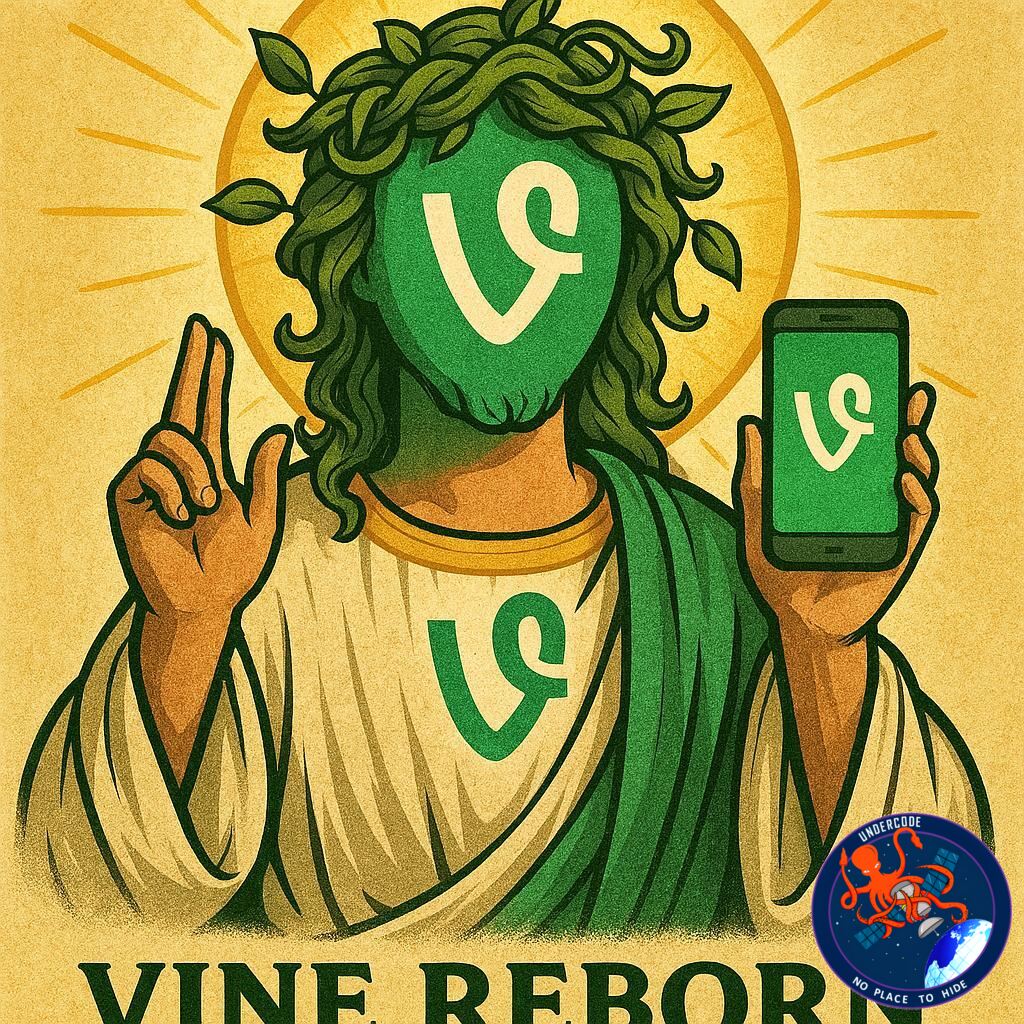
The world of social media is witnessing a nostalgic resurgence as Vine, the beloved short-form video platform, returns—this time under a new name: Divine. Combining hundreds of thousands of archive videos from the original Vine era with fresh content, Divine is now officially available on the App Store and Google Play. The app promises to rekindle the creative energy of its predecessor while offering modern enhancements and a more open approach to social media.
The Return of Vine: Divine’s Origins
Vine first captured the hearts of social media users in June 2012, rapidly growing into a cultural phenomenon with its 6-second looping videos. Its unique format attracted a wave of creative talent, from aspiring comedians to visual artists, eventually amassing over 200 million active users by 2015. Despite its popularity, Vine struggled to evolve, leading Twitter to shut down the app in 2017. The video archives lingered online until 2019, leaving fans nostalgic and eager for a revival.
Enter Divine, a project backed by Jack Dorsey and his nonprofit, Other Stuff. Announced last year and in beta until now, Divine has successfully reconstructed the original Vine archive, restoring engagement data and creating a platform that mirrors the essence of the original social network. As Evan Henshaw-Plath, part of the Divine team, explains, it was the original Viners who insisted on a thoughtful reboot rather than a rushed launch. Their message was clear: Vine wasn’t just nostalgia; it represented a chance to “reset social media” with meaningful creativity rather than AI-generated content.
Divine’s Technology and Future Prospects
Divine’s architecture is built on Nostr, an open social media protocol championed by Dorsey, providing a decentralized alternative to conventional platforms. The team is also exploring integration with the AT Protocol, which powers Bluesky, and ActivityPub, the protocol behind Mastodon, Flipboard, and even Meta’s Threads. This open-source approach signals a commitment to a more transparent, user-driven social experience, unlike the closed ecosystems dominating today’s social media landscape.
The relaunch of Vine as Divine reflects a broader trend of nostalgia-driven digital innovation, merging the charm of past platforms with cutting-edge technology. By leveraging archives, open protocols, and a community-focused approach, Divine aims to redefine how short-form content is created, shared, and monetized.
What Undercode Says: Analysis
Nostalgia as a Market Driver
Divine taps into a powerful nostalgia economy. Users who grew up on Vine are not just longing for the past—they seek a platform that prioritizes creativity over algorithms. This emotional connection can translate into strong user retention, engagement, and organic growth.
Community-Centric Approach
Unlike traditional social media platforms, Divine’s development process emphasizes user feedback from the start. Viners actively shaped the relaunch, ensuring the platform resonates with core users. This bottom-up design model increases the likelihood of sustained adoption.
Decentralization and Open Protocols
By embracing Nostr, AT Protocol, and potentially ActivityPub, Divine positions itself as a privacy-conscious, decentralized alternative to mainstream networks. This could appeal to tech-savvy users disillusioned with algorithm-driven feeds, data mining, and AI content proliferation.
Potential Challenges
Despite the hype, Divine faces challenges: competing against TikTok, Instagram Reels, and YouTube Shorts may prove difficult. The platform must continuously innovate while maintaining the simplicity and charm that made Vine a viral phenomenon.
Monetization Strategies
Revenue generation will be key to sustainability. Options may include creator subscriptions, premium features, or ad revenue integrated without compromising the user experience. A successful balance could make Divine both a beloved and profitable platform.
Brand Partnerships and Media Integration
Divine has potential for strategic collaborations with brands, artists, and media companies. Partnerships could drive content creation and help establish a mainstream presence beyond nostalgic users.
AI and Content Authenticity
The deliberate focus on filtering out “AI slop” differentiates Divine from other platforms saturated with generative content. This approach appeals to audiences craving authentic, human-created media, potentially creating a unique niche.
Long-Term Outlook
If Divine can maintain user engagement, expand its content library, and continue integrating open protocols, it could evolve into a sustainable ecosystem for short-form video content. Its success might inspire similar revivals or open-protocol-based social networks.
Competitive Advantage
Divine’s uniqueness lies in combining nostalgia, open protocols, and community-driven design. This could give it a defensible position in a saturated market dominated by algorithm-heavy platforms.
Innovation in User Interaction
Looped videos remain central, but future updates could introduce collaborative tools, interactive media, or creator-centric features that extend Vine’s original creative possibilities.
Expansion Potential
Global adoption, localization, and integration with other decentralized platforms could amplify reach, attracting new generations of creators while retaining loyal Vine enthusiasts.
🔍 Fact Checker Results
✅ Vine originally launched in June 2012 and was acquired by Twitter shortly after.
✅ Twitter officially shut down Vine in 2017 but kept archives available until 2019.
✅ Divine uses Nostr protocol and is exploring AT Protocol and ActivityPub integration.
📊 Prediction
Divine is poised to capitalize on nostalgia while carving a unique niche in decentralized social media. Over the next year, it may attract a dedicated user base of former Viners and new content creators seeking authentic, looped short videos. If successful, Divine could become a blueprint for future revivals of defunct social media platforms, blending the charm of the past with open-source innovation.
🕵️📝Let’s dive deep and fact‑check.
References:
Reported By: 9to5mac.com
Extra Source Hub (Possible Sources for article):
https://www.reddit.com
Wikipedia
OpenAi & Undercode AI
Image Source:
Unsplash
Undercode AI DI v2
Bing
🔐JOIN OUR CYBER WORLD [ CVE News • HackMonitor • UndercodeNews ]
📢 Follow UndercodeNews & Stay Tuned:
𝕏 formerly Twitter 🐦 | @ Threads | 🔗 Linkedin | 🦋BlueSky | 🐘Mastodon


