
Listen to this Post
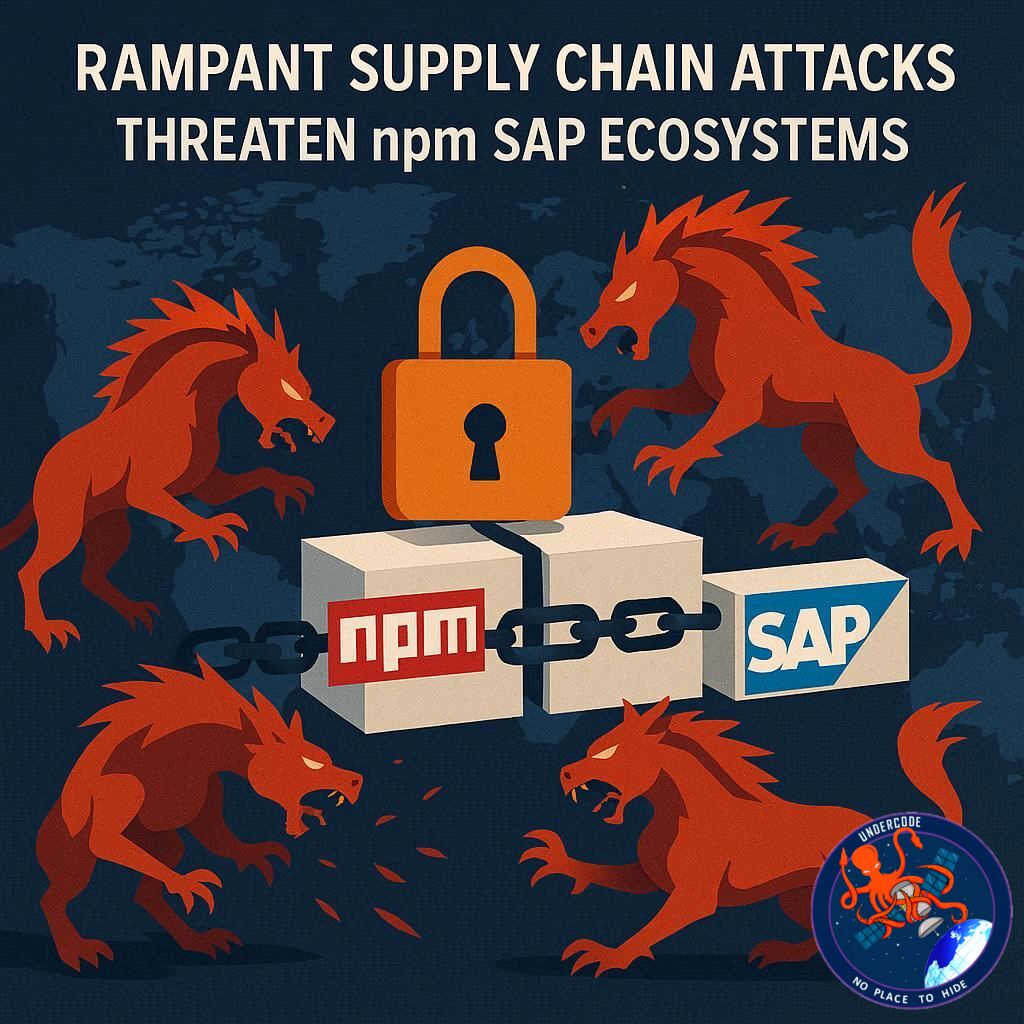
The cybersecurity landscape is under siege as attackers increasingly exploit supply-chain vulnerabilities in software development tools. Recent incidents involving npm and SAP packages have highlighted just how dangerous unvetted dependencies can be, putting both developers and corporate environments at risk. These attacks underscore the urgent need for vigilance, secure coding practices, and proactive monitoring of third-party libraries.
the Recent Attacks
Two major incidents have emerged in the past 24 hours, raising alarm among cybersecurity experts. In the first case, a brand-squatted npm package, tanstack v2.0.4–2.0.7, was discovered containing postinstall scripts that exfiltrate sensitive .env files to an attacker-controlled Svix endpoint. This attack targets developers directly, potentially leaking environment variables that often contain API keys, database credentials, and other confidential information.
In a separate but related attack, official SAP npm packages, including @cap-js/sqlite, @cap-js/postgres, @cap-js/db-service, and mbt, were compromised by a threat actor group identified as TeamPCP. The attackers used a malicious preinstall script delivered via a Bun runtime loader to harvest developer and continuous integration (CI) credentials. This compromise affected both individual developers and enterprise pipelines, highlighting that even officially published packages are not immune to sophisticated attacks.
Both incidents share a common thread: the exploitation of software supply chains to silently capture sensitive data before the victim even realizes an attack has occurred. With development environments increasingly relying on automated dependency management, these types of attacks are particularly insidious and can propagate quickly across global projects.
The incidents were first reported by cybersecurity-focused outlets such as hendryadrian.com and social media monitoring accounts like Cybersecurity News Everyday on X (formerly Twitter). Experts warn that this trend is likely to continue as attackers leverage the trust developers place in widely used open-source packages.
What Undercode Says: Supply-Chain Security Risks and Mitigation
Critical Risk in Dependency Management
These attacks reveal a critical flaw in the way developers and organizations manage dependencies. Blindly trusting packages, even those published under official namespaces like SAP’s, opens doors to credential theft and intellectual property leaks. Developers must audit packages and monitor updates for suspicious scripts.
Developer-Centric Vulnerabilities
Postinstall and preinstall scripts are particularly dangerous because they run automatically during package installation. Attackers exploiting these hooks can gain immediate access to local environment variables and CI secrets, which are often reused across multiple projects. Security-conscious developers should isolate sensitive credentials and use environment-specific vaults.
Organizational Impact
Enterprises relying on automated CI/CD pipelines are especially at risk. A single compromised package can propagate malicious scripts throughout an organization’s codebase, potentially giving attackers access to production systems. Implementing package verification and runtime monitoring is no longer optional.
Increasing Sophistication of Attackers
Groups like TeamPCP are showing advanced tactics, such as using Bun runtime loaders for stealthy exfiltration. The sophistication signals that supply-chain attacks are evolving from opportunistic to highly targeted operations. Organizations must assume attackers are monitoring popular packages for weaknesses.
Lessons for the Open-Source Community
The open-source ecosystem depends on trust, but these incidents demonstrate the fragile nature of that trust. Community-maintained packages must adopt stricter vetting procedures and maintain transparent publishing histories to minimize risk.
Broader Cybersecurity Implications
Supply-chain attacks have the potential to cause cascading effects, affecting not just developers but end-users and clients relying on compromised software. Regulatory and compliance requirements may force organizations to implement more rigorous controls over third-party dependencies.
Proactive Measures
Developers should use tools to analyze dependencies for malicious scripts, implement automated alerting for unexpected network activity, and maintain strict secrets management. Enterprise security teams need to enforce these practices organization-wide.
🔍 Fact Checker Results
✅ Verified: tanstack npm package v2.0.4–2.0.7 contained malicious postinstall scripts.
✅ Verified: SAP packages compromised by TeamPCP used a Bun runtime loader to steal credentials.
❌ Not verified: No evidence currently suggests these attacks affected production systems outside developer environments.
📊 Prediction
Supply-chain attacks on npm and SAP ecosystems will likely increase in frequency and sophistication. Expect threat actors to target other official packages, and possibly expand beyond JavaScript to Python and other widely used languages. Developers and enterprises will need to adopt zero-trust approaches for package management, integrating automated scanning and stricter CI/CD policies to prevent credential theft.
These incidents mark a pivotal moment for software security: awareness, proactive defense, and community vigilance are now more critical than ever.
If you want, I can also
create a visual infographic version of this report summarizing the attack vectors and mitigation strategies for easier sharing and reference.
🕵️📝Let’s dive deep and fact‑check.
References:
Reported By: x.com
Extra Source Hub (Possible Sources for article):
https://www.twitter.com
Wikipedia
OpenAi & Undercode AI
Image Source:
Unsplash
Undercode AI DI v2
Bing
🔐JOIN OUR CYBER WORLD [ CVE News • HackMonitor • UndercodeNews ]
📢 Follow UndercodeNews & Stay Tuned:
𝕏 formerly Twitter 🐦 | @ Threads | 🔗 Linkedin | 🦋BlueSky | 🐘Mastodon


