
Listen to this Post
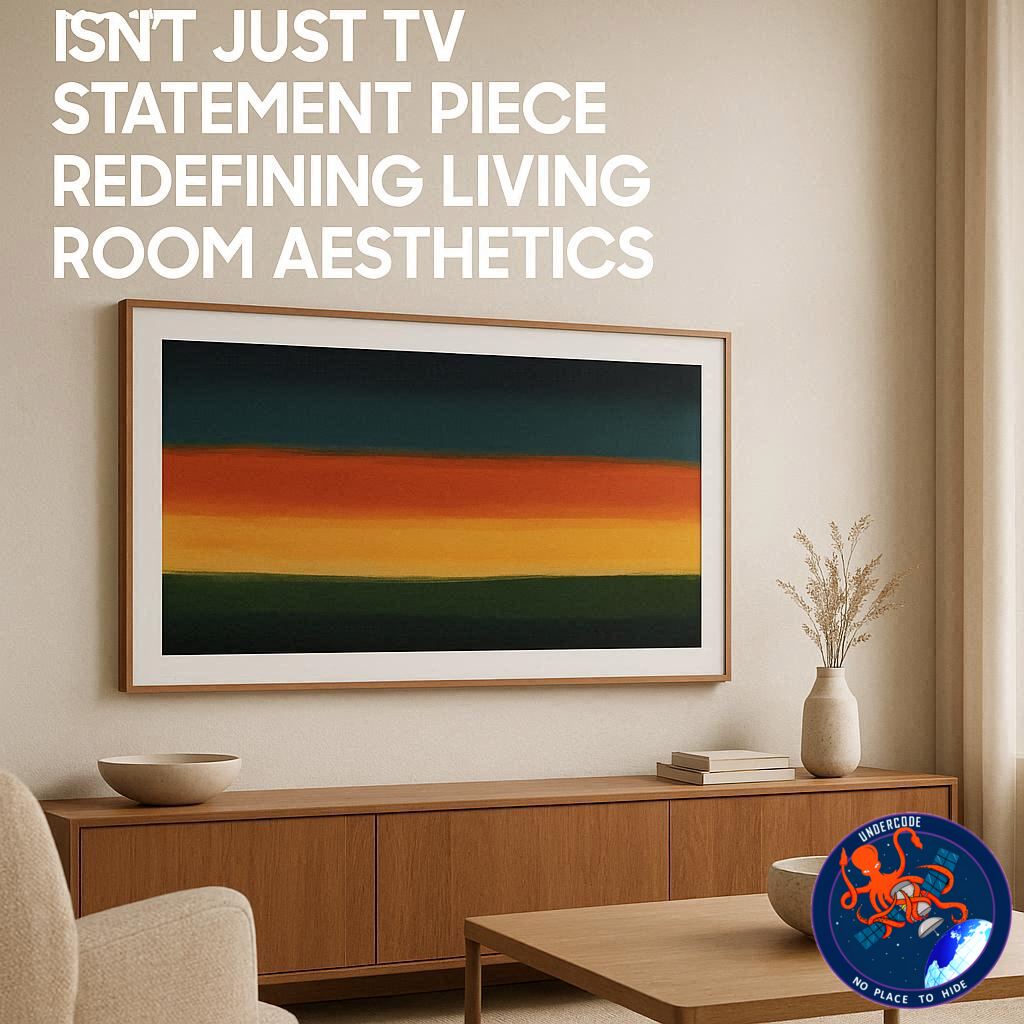
A TV That Disappears Into Art
Samsung has once again blurred the line between technology and interior design with the launch of The Frame (2026), a television that doesn’t just sit in your living room—it transforms it. Originally introduced in 2017, The Frame series has always aimed to double as both a premium TV and a decorative art piece. Now, nearly a decade later, the 2026 iteration pushes that concept further with smarter features, refined visuals, and deeper integration of AI.
Unveiled at CES 2026 and released globally in April, this new model—also known as the LS03HE—builds upon its predecessors while maintaining its signature identity: a screen that looks like a framed artwork when not in use. Samsung has also introduced a more advanced sibling, The Frame Pro (2026), for users seeking even higher-end capabilities.
Design That Blends Seamlessly With Your Space
At its core, The Frame (2026) is designed to be invisible when you don’t need it as a TV. Samsung achieves this through customizable bezels that mimic traditional picture frames. Users can choose from multiple styles, including Modern Brown, Modern Teak, Modern White, and Sand Gold, allowing the TV to match different interior aesthetics.
This isn’t just a gimmick—it’s a deliberate attempt to redefine how technology integrates into home design. Instead of dominating the room like a typical black screen, The Frame becomes part of the decor, displaying artwork or personal photos when idle.
Display Technology That Goes Beyond Looks
Underneath its artistic exterior lies serious hardware. The Frame (2026) is available in four sizes—55, 65, 75, and 85 inches—and features a VA LCD panel enhanced with Quantum Dot technology, branded as QLED by Samsung. The display delivers 4K resolution (3840 x 2160) and supports a 144Hz refresh rate, making it suitable not only for movies but also for gaming.
One standout feature is the glare-free coating, which significantly reduces reflections. This isn’t just about better viewing—it also helps the screen resemble a real canvas, enhancing the illusion of framed art. Combined with HDR and HDR10+ support, along with AI-powered 4K upscaling, the visual experience is both immersive and refined.
The inclusion of Pantone Validated ArtfulColor certification further emphasizes Samsung’s focus on color accuracy, especially important when displaying artwork.
Audio That Matches the Visual Experience
While The Frame prioritizes design, it doesn’t neglect sound. The TV includes a stereo speaker setup with 20W output and supports Dolby Atmos for a more immersive audio experience. Samsung has also packed in features like Adaptive Sound Pro, Active Voice Amplifier Pro, and AI Sound Controller, all aimed at optimizing sound based on content and environment.
Technologies like Q-Symphony and Object Tracking Sound Lite (OTS Lite) further enhance audio positioning, making it feel more dynamic despite the relatively modest speaker hardware.
Connectivity and Smart Features for a Modern Home
Connectivity is another area where The Frame (2026) excels. It supports Wi-Fi 6E across three bands (2.4GHz, 5GHz, and 6GHz) and Bluetooth 5.3, ensuring fast and stable wireless performance. It also integrates seamlessly with Apple AirPlay and Google Cast, making content sharing effortless.
On the wired side, users get four HDMI 2.1 ports capable of handling 4K at 144Hz, along with USB ports, LAN connectivity, and optical audio output. This makes the TV future-proof for gaming consoles and high-performance media setups.
The included SolarCell Remote is a subtle but impactful innovation. Equipped with a solar panel, it reduces reliance on disposable batteries, aligning with growing sustainability trends. It can also be charged via USB-C when needed.
AI at the Core of the Experience
Powering the entire system is Samsung’s NQ4 AI Gen2 processor, paired with the Tizen operating system. This combination enables advanced features like AI upscaling, intelligent sound adjustments, and personalized content recommendations.
Samsung promises up to seven years of software updates, a significant commitment in a market where many smart TVs lose support after just a few years. The inclusion of Vision AI introduces a suite of intelligent tools designed to enhance usability and automation.
Voice control is handled through both Amazon Alexa and Samsung Bixby, giving users flexibility in how they interact with the device.
Turning Your Wall Into a Digital Gallery
The defining feature of The Frame remains its Art Mode. Through Samsung’s Art Store, users can access a vast collection of artworks from renowned artists around the world. When the TV is not in use, it displays these pieces, effectively turning the screen into a digital canvas.
This feature is more than cosmetic—it represents a shift in how consumers perceive televisions. Instead of being idle black rectangles, they become active contributors to the ambiance of a room.
In addition to Art Store, the TV comes preloaded with apps like Samsung TV Plus and Samsung Health, alongside a wide selection of streaming platforms.
What Undercode Say:
The Evolution From Utility to Lifestyle Tech
Samsung’s The Frame (2026) signals a broader industry trend: the transformation of consumer electronics into lifestyle products. This is no longer just about specs like resolution or refresh rates—it’s about how technology fits into daily life. The Frame doesn’t compete purely on performance; it competes on emotional and aesthetic value, something traditional TVs rarely consider.
Why Design Is Becoming a Competitive Weapon
In an increasingly saturated TV market, hardware improvements alone are no longer enough to stand out. By focusing on design and personalization, Samsung is targeting a niche that values aesthetics as much as functionality. This approach could redefine purchasing decisions, especially among urban consumers and interior design-conscious buyers.
AI Integration Is Quietly Becoming the Backbone
The inclusion of the NQ4 AI Gen2 processor and Vision AI isn’t just about convenience—it’s about data-driven personalization. Samsung is building a system that learns user behavior over time, optimizing both visuals and audio automatically. This reduces friction and enhances user experience, even if most users don’t actively notice it.
Sustainability as a Subtle Selling Point
The SolarCell Remote may seem like a small feature, but it reflects a growing emphasis on sustainability in consumer electronics. While it won’t drastically reduce environmental impact on its own, it signals a shift in design philosophy that could influence future product ecosystems.
The Hidden Value of Long-Term Software Support
Seven years of software updates is a bold promise in the TV industry. This not only extends the lifespan of the product but also increases its perceived value. Consumers are becoming more aware of software longevity, and Samsung is positioning itself ahead of competitors in this regard.
Gaming and High Refresh Rates Expand Its Audience
With 144Hz support and AMD FreeSync Premium, The Frame is no longer just for art lovers—it’s also appealing to gamers. This dual-purpose design broadens its market reach, making it a hybrid device that caters to both entertainment and aesthetics.
Art Mode as a Psychological Innovation
Art Mode isn’t just a feature—it changes how people feel about owning a TV. By eliminating the “black screen effect,” Samsung reduces the visual intrusion of technology. This could have subtle psychological benefits, making living spaces feel more curated and less dominated by screens.
Premium Pricing vs Perceived Value
While The Frame series typically commands a higher price than standard TVs with similar specs, the added value lies in its design and functionality. The question isn’t whether it’s worth the cost technically—but whether consumers value the experience it provides.
The Risk of Niche Appeal
Despite its innovation, The Frame may still appeal to a relatively specific audience. Not everyone prioritizes design over raw performance, and some users may see the artistic features as unnecessary. Samsung’s challenge will be expanding this niche without diluting the product’s identity.
🔍 Fact Checker Results
Verified Product Features
✅ The Frame (2026) includes 4K resolution, 144Hz refresh rate, and AI-powered upscaling, aligning with Samsung’s official specifications.
AI and Software Support Claims
✅ Samsung has committed to up to seven years of software updates, which is accurate and notable in the smart TV market.
Design and Art Mode Functionality
❌ While highly realistic, the “art frame” effect still depends on lighting conditions and may not perfectly replicate a real canvas in all environments.
📊 Prediction
Samsung’s The Frame (2026) is likely to accelerate the shift toward design-centric consumer electronics, pushing competitors to rethink how TVs are positioned in the home. Over the next few years, expect more brands to integrate customizable aesthetics, AI-driven personalization, and long-term software support as standard features. If this trend continues, the traditional concept of a television may evolve into a multifunctional display hub that blends seamlessly into everyday life rather than standing apart from it.
🕵️📝Let’s dive deep and fact‑check.
References:
Reported By: www.sammobile.com
Extra Source Hub (Possible Sources for article):
https://www.digitaltrends.com
Wikipedia
OpenAi & Undercode AI
Image Source:
Unsplash
Undercode AI DI v2
Bing
🔐JOIN OUR CYBER WORLD [ CVE News • HackMonitor • UndercodeNews ]
📢 Follow UndercodeNews & Stay Tuned:
𝕏 formerly Twitter 🐦 | @ Threads | 🔗 Linkedin | 🦋BlueSky | 🐘Mastodon


