
Listen to this Post
Introduction: When Defenders Become Threats
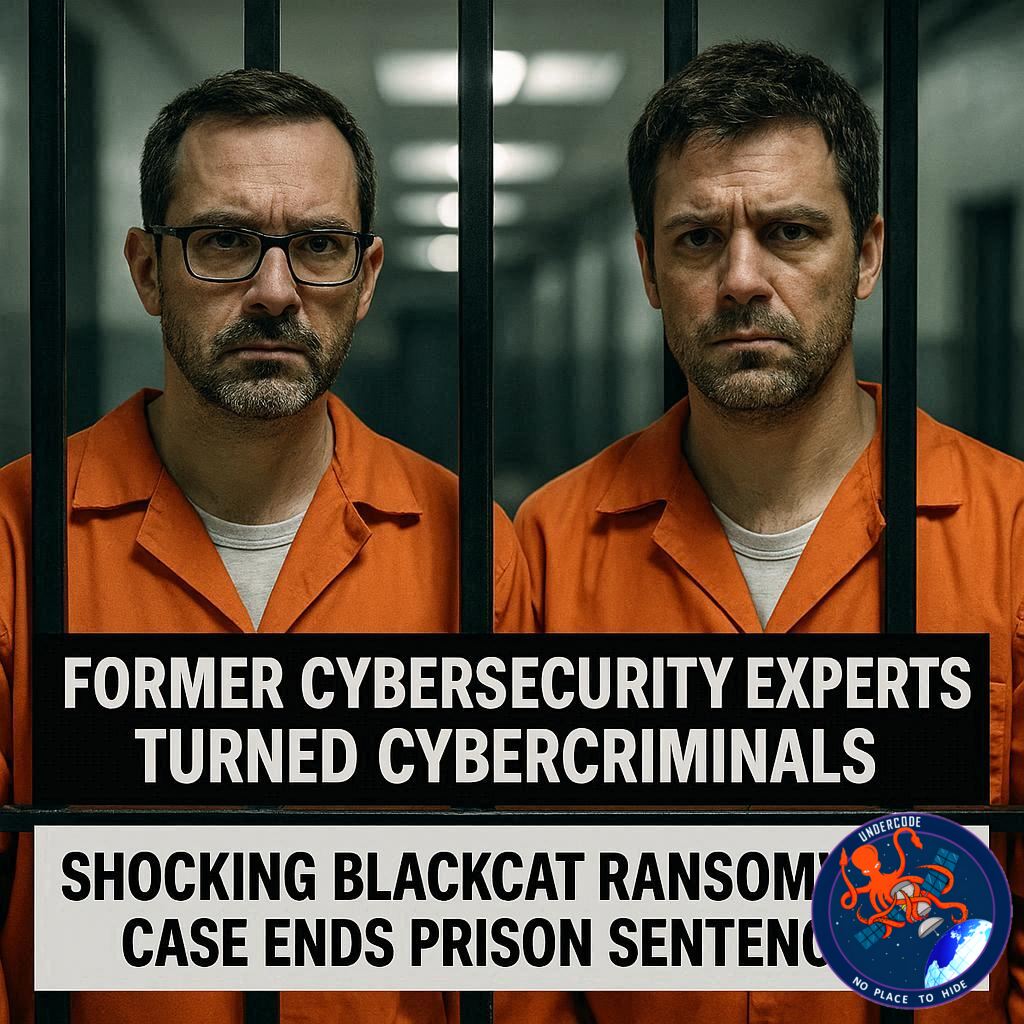
In a case that has stunned the cybersecurity world, two former incident responders—once trusted to defend organizations against cyberattacks—have been sentenced to prison for actively participating in ransomware crimes. Their involvement in BlackCat ransomware operations highlights a dangerous insider threat: experts with deep defensive knowledge switching sides. This incident not only exposes vulnerabilities within the cybersecurity industry itself but also raises serious concerns about trust, ethics, and the growing sophistication of ransomware groups targeting critical sectors like healthcare.
the Original Report
Two former incident responders who previously worked with cybersecurity firms Sygnia and DigitalMint have been sentenced to four years in prison for their role in orchestrating ransomware attacks tied to the BlackCat (also known as ALPHV) group. These individuals used their professional expertise—originally intended to mitigate cyber threats—to instead facilitate attacks on U.S.-based organizations. Among the victims was a Tampa-based medical device manufacturer, which suffered a significant breach and was forced to pay a ransom of approximately $1.27 million USD.
The attackers leveraged their insider knowledge of incident response protocols, enabling them to anticipate defensive strategies and maximize the effectiveness of their attacks. Their involvement included helping deploy ransomware payloads, negotiating ransom payments, and advising on methods to evade detection.
The BlackCat ransomware group has gained notoriety for targeting high-value organizations and demanding large payouts, often exploiting sensitive data to pressure victims. This case demonstrates how insider knowledge can dramatically amplify the impact of such attacks.
In a separate but related development, Paramount Health Services & Insurance TPA Pvt. Ltd., an Indian healthcare insurance administrator, also suffered a ransomware attack. The attack disrupted critical services, including cashless hospitalization processing and reimbursement claims, affecting countless policyholders. The threat actor behind this incident, identified as “blacknevas,” underscores the global and decentralized nature of ransomware operations.
These events collectively illustrate the growing scale and complexity of ransomware threats, especially when insiders or former professionals become involved in cybercrime networks.
What Undercode Say:
The Insider Threat Is No Longer Theoretical
This case shatters the long-held assumption that cybersecurity professionals are inherently trustworthy. When individuals trained to defend systems turn into attackers, the threat landscape shifts dramatically. These actors possess not only technical skills but also procedural insight—understanding how companies respond under pressure, which tools they rely on, and where their blind spots lie.
Ransomware Evolution Is Being Driven By Expertise
Ransomware groups like BlackCat are no longer just loose collectives of hackers; they are evolving into highly organized entities that recruit experienced professionals. The inclusion of former incident responders signals a strategic upgrade in their operational capabilities. This isn’t random hacking anymore—it’s calculated, informed, and disturbingly efficient.
Healthcare Remains A Prime Target
The attack on both a U.S. medical device manufacturer and an Indian health insurance administrator reinforces a troubling trend: healthcare systems are especially vulnerable. These organizations often operate under urgent conditions, making them more likely to pay ransoms quickly to restore services. Disruptions in this sector can have life-threatening consequences, which attackers exploit.
Trust In Cybersecurity Firms Takes A Hit
Firms like Sygnia and DigitalMint are known for their incident response expertise. The involvement of former employees in criminal activity raises uncomfortable questions about internal vetting, monitoring, and post-employment risk management. While these companies are not implicated in wrongdoing, the reputational damage is unavoidable.
The Economics Of Ransomware Continue To Incentivize Crime
A ransom payment of $1.27 million USD is not just a statistic—it’s a signal to cybercriminals that the business model works. As long as organizations continue to pay, ransomware will remain profitable. The involvement of insiders only increases the success rate of these attacks, further fueling the cycle.
Globalization Of Cybercrime Is Accelerating
The parallel attack in India shows how ransomware operations are not confined by geography. Threat actors collaborate across borders, targeting victims wherever vulnerabilities exist. This decentralization makes enforcement and prevention significantly more complex.
Legal Consequences Are Catching Up—Slowly
The sentencing of these individuals to four years in prison is a step forward, but it also raises questions about deterrence. For highly skilled professionals, the potential financial gains from ransomware may still outweigh the perceived risks, especially if enforcement remains inconsistent globally.
Cybersecurity Needs A Cultural Shift
Technical defenses alone are no longer sufficient. Organizations must invest in ethical training, behavioral monitoring, and stronger internal controls. The human factor—once considered the weakest link—is now also the most dangerous when weaponized.
🔍 Fact Checker Results
Verified Sentencing Details ✅
The report confirms that two former incident responders received four-year prison sentences for their involvement in BlackCat ransomware attacks.
Confirmed Financial Impact ✅
A Tampa-based medical device company paid approximately $1.27 million USD in ransom, aligning with typical high-value ransomware demands.
Global Ransomware Activity Validated ✅
The separate attack on an Indian healthcare administrator supports the claim that ransomware threats are widespread and not limited to a single region.
📊 Prediction
Ransomware Recruitment Will Target Industry Insiders
Cybercriminal groups will increasingly seek out former cybersecurity professionals, leveraging their expertise to refine attack strategies and improve success rates.
Healthcare Sector Will Face Escalating Threats
Given its critical nature and willingness to pay, the healthcare industry will continue to be a top target for ransomware campaigns worldwide.
Regulatory Pressure Will Intensify
Governments are likely to introduce stricter regulations and oversight for cybersecurity professionals and firms, aiming to prevent insider threats and enforce accountability.
Cybersecurity Hiring Practices Will Evolve
Companies will implement more rigorous background checks, continuous monitoring, and post-employment restrictions to mitigate the risk of insider-driven cybercrime.
🕵️📝Let’s dive deep and fact‑check.
References:
Reported By: x.com
Extra Source Hub (Possible Sources for article):
https://www.github.com
Wikipedia
OpenAi & Undercode AI
Image Source:
Unsplash
Undercode AI DI v2
Bing
🔐JOIN OUR CYBER WORLD [ CVE News • HackMonitor • UndercodeNews ]
📢 Follow UndercodeNews & Stay Tuned:
𝕏 formerly Twitter 🐦 | @ Threads | 🔗 Linkedin | 🦋BlueSky | 🐘Mastodon


