
Listen to this Post
Introduction: When Obsolete Hardware Meets Modern Power
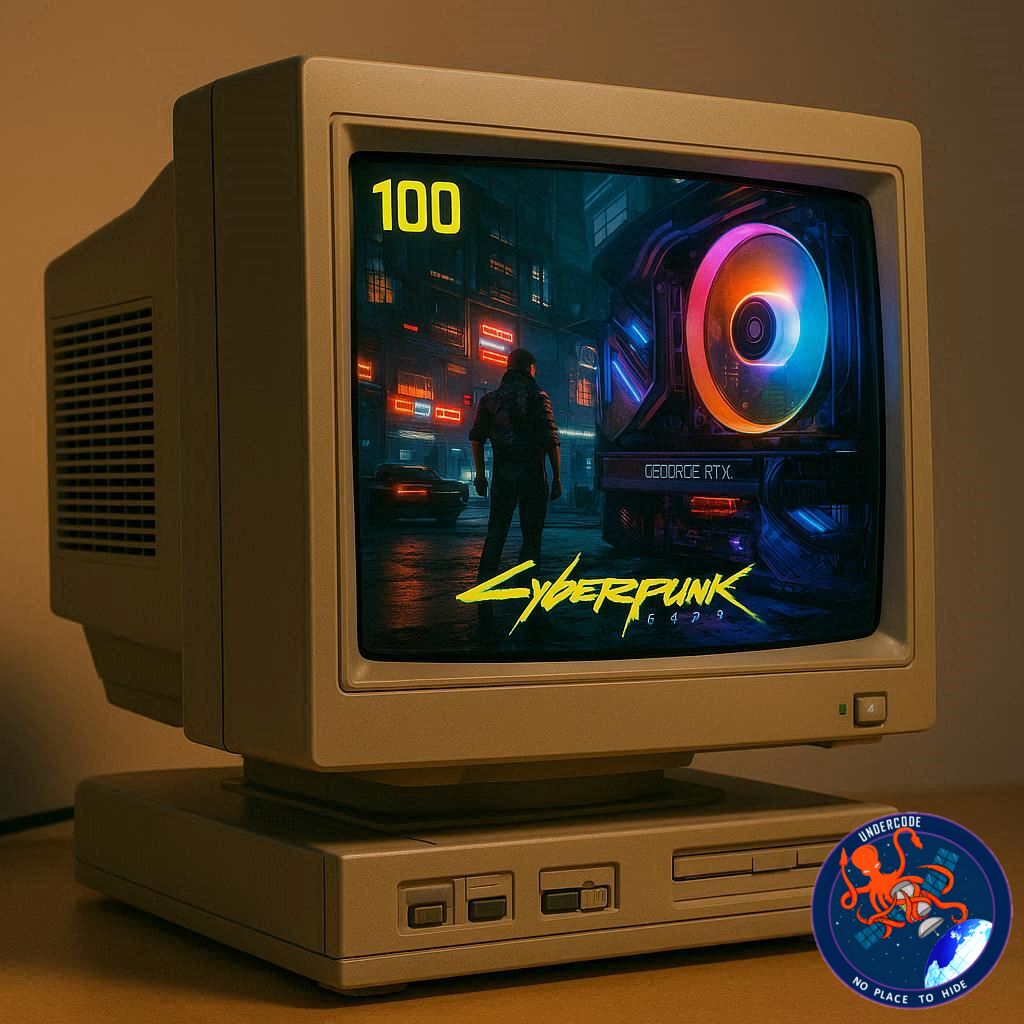
In an era where sleek minimalism dominates PC design, one creator has gone in the exact opposite direction, reviving a relic from the past and turning it into something unexpectedly powerful. A discarded CRT monitor, once considered nothing more than electronic waste, has been reborn as a fully functional gaming PC capable of running modern AAA titles with impressive performance. This project is not just about hardware, it is about creativity, nostalgia, and redefining what “obsolete” really means.
Summary: A Creative Fusion of Retro Design and Modern Gaming Performance
A Reddit user stumbled upon a broken CRT monitor in a pile of e-waste. The device was beyond repair, with shattered components and partially burned internals, making it useless in its original form. However, instead of discarding it completely, the user saw potential in its bulky chassis. That shell became the foundation for a completely unique PC build.
The idea was simple but bold: convert the CRT monitor into a full-fledged computer case. Inside this vintage exterior, the builder installed modern, high-performance components. The system is powered by an AMD Ryzen 7600X processor paired with a Radeon RX 6900 XT graphics card, supported by 16GB of DDR5 RAM and housed on an MSI B650 Gaming Plus motherboard. These are not entry-level parts; they represent serious computing power capable of handling demanding workloads and modern gaming.
To manage heat inside such a confined and unconventional space, the builder included six 120mm fans. Cooling is a significant challenge in custom builds like this, especially when working with a structure never designed for airflow optimization. Despite these constraints, the system remains functional and stable.
The original CRT display was replaced with a 17.3-inch laptop panel mounted at the front. This screen offers a resolution of 1440p and a refresh rate of 165Hz, ensuring a smooth and visually rich gaming experience. The transformation from bulky analog display to sleek digital panel maintains the retro aesthetic while delivering modern performance.
The system runs on Nobara Linux, a gaming-focused Linux distribution based on Fedora. To enhance the nostalgic vibe, the user applied a Windows XP-style theme, creating an interesting blend of past and present in both hardware and software design.
Performance is where the build truly surprises. Despite its vintage exterior, the machine is capable of running Cyberpunk 2077 at ultra settings in 1440p resolution, with ray tracing enabled at medium levels. Frame rates reportedly range between 90 and 100 FPS, which is impressive even for many standard modern gaming rigs.
Reactions from the online community have been mixed but largely fascinated. Some questioned the practicality of such a build, while others appreciated the creativity and uniqueness. The builder responded with a straightforward philosophy: it is different, fun, and unlikely to be stolen due to its outdated appearance.
There are, however, valid criticisms. The internal layout appears somewhat cramped and less refined than traditional PC builds. Airflow management could be improved for long-term reliability. Still, considering the challenge of fitting modern components into a CRT shell, the result is undeniably impressive.
Ultimately, this project demonstrates that innovation does not always mean creating something new from scratch. Sometimes, it means reimagining what already exists.
What Undercode Say: The Deeper Meaning Behind This Retro Build
Reimagining E-Waste as High-Performance Hardware
This project highlights a growing trend in the tech community: reclaiming and repurposing electronic waste. Instead of contributing to landfill overflow, the builder transformed a broken CRT monitor into a functional, high-performance device. This approach challenges the disposable mindset that dominates modern consumer electronics.
Nostalgia as a Design Philosophy in Modern Computing
There is a clear emotional layer to this build. The CRT aesthetic, combined with a Windows XP-inspired interface, taps into a powerful sense of nostalgia. In a world dominated by uniform, flat-panel designs, this system stands out not just visually, but emotionally. It reconnects users with an era when computers had personality.
Engineering Constraints Driving Creative Solutions
Fitting modern hardware into a CRT shell is not just difficult, it is fundamentally counterintuitive. These monitors were never designed for airflow, modular components, or high thermal output. The use of six cooling fans shows how the builder had to compensate for structural limitations. This is engineering through constraint, where limitations force innovation.
Performance Versus Form Factor Trade-Offs
While the system performs impressively, the design introduces compromises. Airflow inefficiencies, cramped cable management, and limited upgrade potential are all side effects of prioritizing aesthetic creativity over practical scalability. This raises an important question: should performance builds prioritize efficiency or individuality?
Anti-Theft Through Design Irony
One of the more interesting aspects is the unintended security advantage. The system looks outdated and bulky, making it unattractive to potential thieves. This is a rare case where design works as a deterrent, not through locks or encryption, but through perception.
Linux Gaming Gaining Ground in Custom Builds
The choice of Nobara Linux is significant. It reflects a shift in the gaming ecosystem where Linux distributions are becoming viable alternatives to Windows. This build subtly promotes the idea that high-performance gaming is no longer tied exclusively to Microsoft’s ecosystem.
The Rise of DIY Culture in High-End PC Building
This project represents the spirit of DIY culture at its peak. It is not about buying the latest prebuilt system, but about crafting something unique. The imperfections in layout and cooling are part of its identity, not flaws to be hidden.
A Statement Against Homogenized Tech Design
Modern PCs often look nearly identical, with RGB lighting and tempered glass panels dominating the market. This CRT build rejects that trend entirely. It proves that individuality still has a place in tech design, even if it comes with trade-offs.
Long-Term Viability and Maintenance Challenges
While impressive, the build raises concerns about durability. Heat management over time could affect component lifespan. Maintenance and upgrades will likely be more complicated than in standard cases. This is a reminder that creativity sometimes comes at the cost of practicality.
Cultural Value Beyond Performance Metrics
Ultimately, this PC is more than a machine. It is a conversation piece, a statement, and a demonstration of technical creativity. Its value cannot be measured solely in FPS or benchmark scores, but in the ideas it inspires.
Fact Checker Results
✅ The hardware specifications and performance claims align with what similar components can achieve in modern gaming scenarios.
❌ The long-term cooling efficiency remains uncertain due to the unconventional case design.
✅ Linux-based gaming setups like Nobara are increasingly capable of handling AAA titles.
Prediction
📊 Retro-inspired PC builds will grow in popularity as users seek uniqueness over standardized designs.
📊 Repurposing e-waste into functional tech will become a niche but influential movement in DIY communities.
📊 Linux gaming ecosystems will continue expanding, becoming a serious alternative for performance-focused users.
🕵️📝Let’s dive deep and fact‑check.
References:
Reported By: www.techradar.com
Extra Source Hub (Possible Sources for article):
https://www.github.com
Wikipedia
OpenAi & Undercode AI
Image Source:
Unsplash
Undercode AI DI v2
Bing
🔐JOIN OUR CYBER WORLD [ CVE News • HackMonitor • UndercodeNews ]
📢 Follow UndercodeNews & Stay Tuned:
𝕏 formerly Twitter 🐦 | @ Threads | 🔗 Linkedin | 🦋BlueSky | 🐘Mastodon


