
Listen to this Post
Introduction: A New Automotive Power Shift Reshaping the World
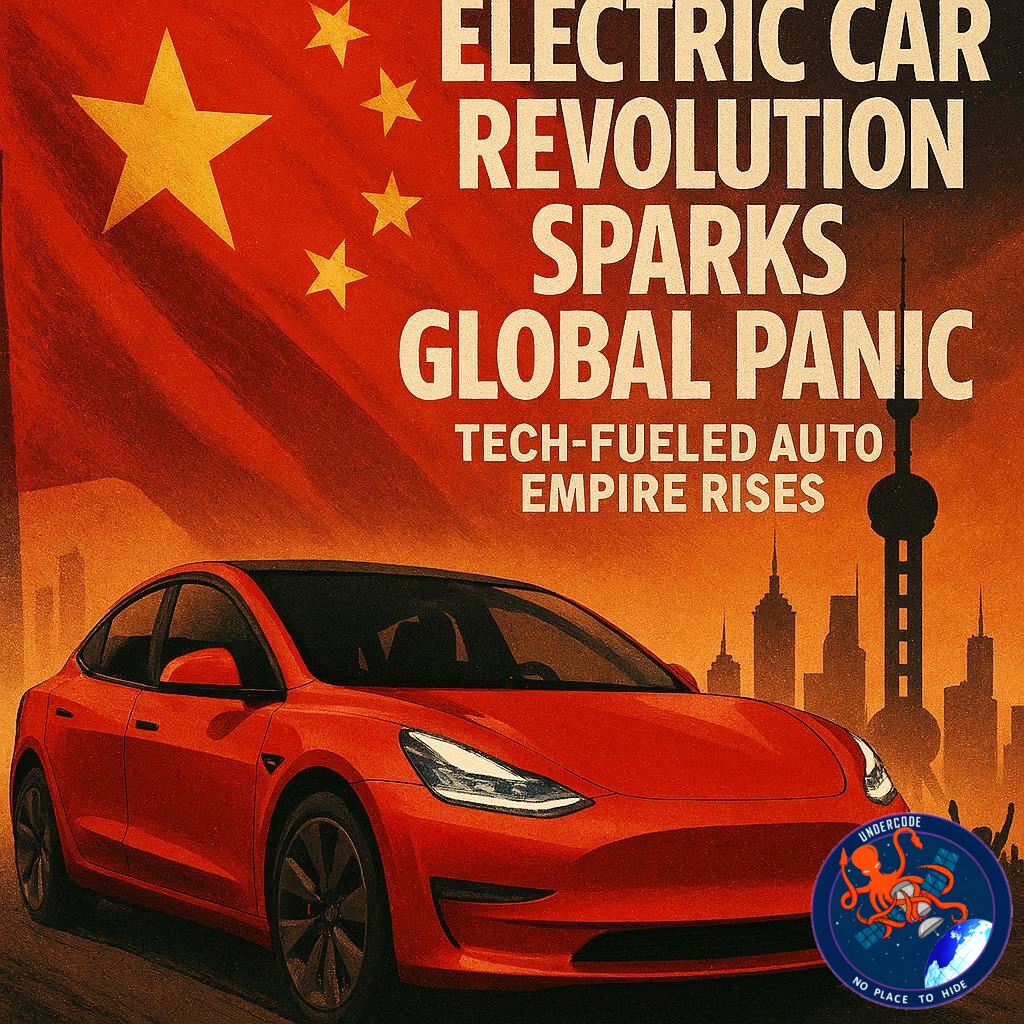
China’s automotive industry is no longer just competing—it is reshaping the global definition of mobility itself. At the center of this transformation is a booming electric vehicle (EV) ecosystem showcased at Beijing’s massive auto exhibition, where innovation ranges from luxury massage-equipped SUVs to AI-powered smart driving systems. While consumers see futuristic comfort and affordability, global competitors and policymakers increasingly view this rapid rise as a disruptive force that could redefine automotive dominance in the 21st century. With EVs becoming the standard rather than the exception in China, the country’s carmakers are now pushing aggressively beyond their borders, aiming to challenge established markets in Europe and potentially even the United States.
the Original China’s EV Surge Reshaping Global Automotive Power
China’s auto industry is rapidly expanding, with manufacturers producing advanced electric and hybrid vehicles at scale and lower prices than many global rivals.
At the Beijing auto show, futuristic features such as massage seats, rotating interiors, karaoke systems, and in-car entertainment highlight how advanced Chinese vehicles have become.
Electric and hybrid cars now dominate new vehicle sales in China, making up more than half of the market.
Rising global oil prices have further strengthened the appeal of EVs, which Chinese companies are aggressively promoting abroad.
The United States has restricted Chinese EV imports, citing national security concerns and prioritizing domestic auto industry protection.
Tariffs and software bans effectively block Chinese automakers from entering the US market.
In contrast, Europe has adopted a more open but tariff-regulated approach, allowing Chinese brands to gain increasing market share.
BYD and other major Chinese companies are expanding globally, with exports rising sharply year over year.
However, domestic competition in China is intense, leading to price wars and shrinking profit margins.
Chinese EV makers are investing heavily in foreign expansion, including charging infrastructure and partnerships.
Executives from companies like BYD and Geely express confidence in global EV adoption but acknowledge limited short-term access to the US market.
European markets are seeing rapid growth in Chinese EV registrations, signaling strong overseas momentum.
China’s massive production capacity and supply chain efficiency give its automakers a major competitive advantage.
Government subsidies and industrial policies have helped accelerate the sector’s growth.
Critics argue this creates unfair global competition, while Chinese firms defend their innovation-driven model.
China’s EV push also reduces national oil dependence significantly, supporting broader energy security goals.
The industry is increasingly focused on technology integration, including autonomous driving and smart ecosystems.
Chinese firms are positioning themselves alongside US tech giants in shaping the future of mobility.
Global expansion is becoming essential as domestic competition intensifies.
The industry is not just competing on vehicles, but on advanced digital and AI-driven automotive ecosystems.
What Undercode Say:
The Global Automotive Order Is Breaking Apart
China’s EV expansion represents more than industrial growth—it signals a structural shift in global automotive leadership. Traditional car-producing nations are now reacting defensively as Chinese manufacturers scale faster than most competitors can adapt.
Technology, Not Engines, Defines the New Competition
The modern auto race is no longer about horsepower or fuel efficiency. It is about software, AI integration, automation, and digital ecosystems that transform vehicles into intelligent mobile platforms.
Price Disruption Is Reshaping Global Markets
Chinese EV makers benefit from large-scale production and supply chain efficiency, allowing them to offer advanced vehicles at lower prices. This creates intense pressure on Western automakers already struggling with high production costs.
Geopolitics Is Becoming a Core Market Barrier
Trade restrictions, tariffs, and national security concerns have turned EVs into geopolitical instruments. The US-China automotive divide reflects deeper tensions beyond simple economic competition.
Europe Becomes the Key Battleground
While the US remains largely closed, Europe is emerging as the most contested market. Chinese brands are rapidly gaining traction, leveraging affordability and advanced features to attract consumers.
Domestic Competition Is Driving Aggressive Expansion
Inside China, oversaturation and price wars are forcing companies to seek global markets. This external push is not optional—it is essential for survival and profitability.
Energy Crisis Accelerates EV Adoption Narrative
Rising oil prices strengthen the global case for electrification. Chinese automakers are strategically positioning EVs as both economic and environmental solutions in volatile energy markets.
Industrial Policy Gives China a Structural Advantage
Long-term government support, subsidies, and infrastructure investment have created a deeply integrated EV ecosystem that is difficult for fragmented markets to replicate.
The Battle Is Moving Toward Smart Mobility Ecosystems
Companies like BYD, Geely, Huawei, and Baidu are not just building cars—they are building connected mobility platforms that integrate AI, autonomy, and digital services.
Global Influence Is the Hidden Objective
Beyond profit, China’s EV expansion enhances its technological soft power. Automotive leadership is becoming a tool of global influence in the same way oil once was.
🔍 Fact Checker Results
✔ Verified Market Expansion Trends
China’s EV export growth and rising European market penetration align with recent global automotive industry data trends.
✔ Confirmed Policy Restrictions
US tariffs and software-related restrictions on Chinese vehicles are consistent with current trade and security policies.
⚠ Competitive Claims Require Context
While China leads in production scale, global competitiveness varies significantly by region, brand, and regulatory environment.
📊 Prediction
Global EV Fragmentation Will Intensify
The automotive world is likely to split into regional ecosystems, with China dominating manufacturing scale, Europe balancing regulation and adoption, and the US focusing on domestic protection and tech innovation.
Price Wars Will Reshape the Industry
Continued overproduction in China may trigger further global price competition, forcing legacy automakers into consolidation or partnerships.
Technology Leadership Will Decide Winners
The next automotive leaders will not be defined by traditional manufacturing strength but by dominance in AI-driven mobility platforms and integrated software ecosystems.
🕵️📝Let’s dive deep and fact‑check.
References:
Reported By: edition.cnn.com
Extra Source Hub (Possible Sources for article):
https://www.pinterest.com
Wikipedia
OpenAi & Undercode AI
Image Source:
Unsplash
Undercode AI DI v2
Bing
🔐JOIN OUR CYBER WORLD [ CVE News • HackMonitor • UndercodeNews ]
📢 Follow UndercodeNews & Stay Tuned:
𝕏 formerly Twitter 🐦 | @ Threads | 🔗 Linkedin | 🦋BlueSky | 🐘Mastodon


