
Listen to this Post
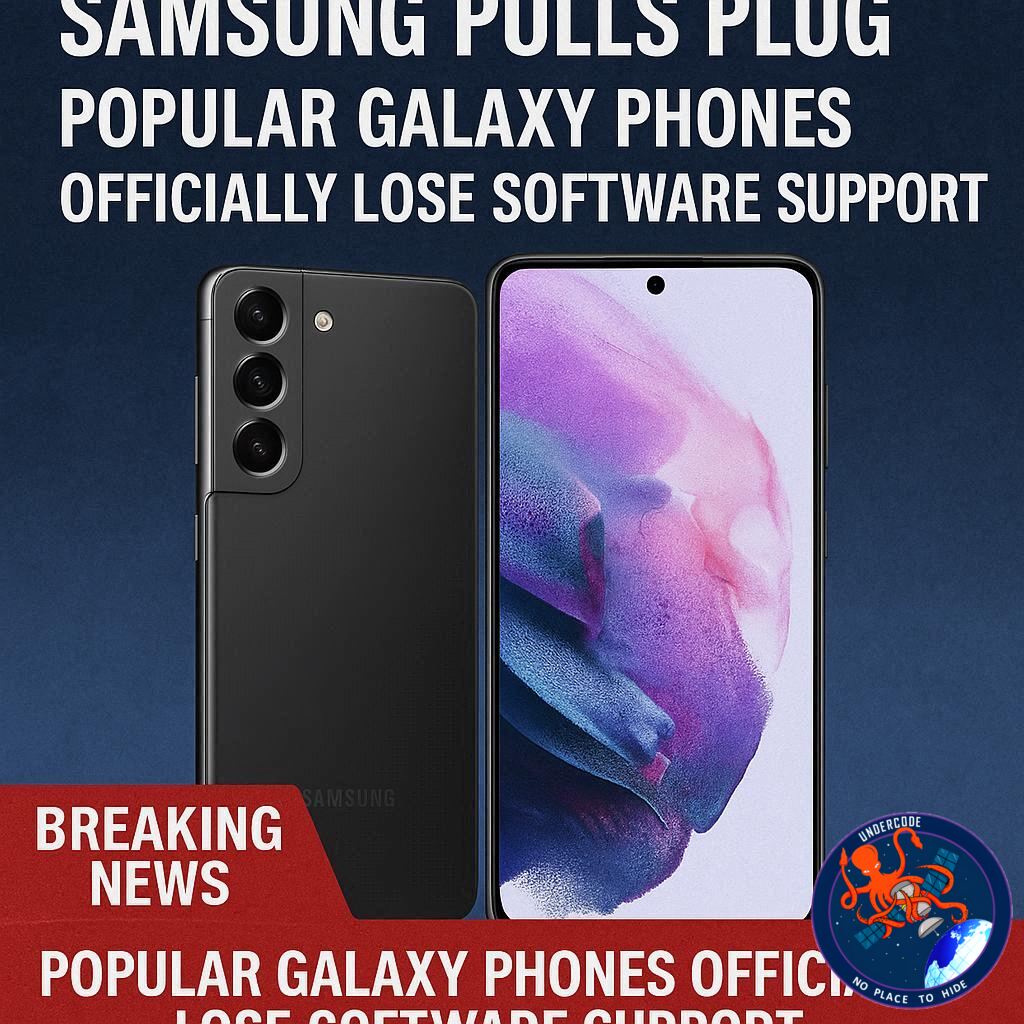
Introduction: The Silent Deadline for Millions of Samsung Users
Samsung has quietly ended software support for several of its widely used mid-range smartphones, marking a turning point for users who rely on long-term updates for security and performance. While flagship devices often dominate headlines, it’s these mid-range models that power everyday experiences for millions. Now, three of them have officially reached the end of their lifecycle, leaving users with an important decision about what comes next.
The End of the Line for Three Galaxy Devices
Samsung has officially discontinued software updates for three smartphones: the Galaxy A13, Galaxy A23, and Galaxy M33 5G. These devices, once considered solid mid-range options, have now completed their promised update cycle and will no longer receive regular software support.
A Look Back at Their Launch and Lifecycle
All three smartphones were released in April 2022, running Samsung’s One UI 4.0 based on Android 12. At launch, they offered a balanced mix of performance, affordability, and modern features, making them attractive choices for budget-conscious users.
Four Years of Support Comes to an End
Samsung provided these devices with four years of updates, including both Android upgrades and security patches. This aligns with the company’s policy at the time, which promised a respectable but limited support window for mid-range devices.
Different Upgrade Journeys for Each Device
The Galaxy A13 and Galaxy A23 received two major Android updates, ending their journey with Android 14 (One UI 6). Meanwhile, the Galaxy M33 5G had a more extended upgrade path, receiving four major updates and reaching Android 16 (One UI 8), making it the most supported device among the three.
No Final Bonus Update for M33 Users
Despite expectations from some users, the Galaxy M33 5G will not receive an additional One UI 8.5 update. Samsung has drawn a clear line, signaling that the device’s lifecycle has officially concluded.
What Happens After Support Ends
While these phones will no longer receive regular updates, there is a small exception. Samsung may still release patches if a critical security vulnerability is discovered. However, such updates are rare and should not be relied upon for long-term protection.
Time to Consider an Upgrade
For users who prioritize security, performance, and access to new features, continuing to use these devices may pose risks over time. Samsung now offers newer mid-range smartphones with significantly extended support policies, making upgrades more appealing than ever.
The New Standard for Samsung Devices
Samsung has improved its software commitment in recent years. Newer mid-range models are now eligible for up to six years of updates, including major Android upgrades and ongoing security patches, setting a new benchmark in the industry.
What Undercode Say:
A Strategic Shift Toward Longevity
Samsung’s decision reflects a broader industry trend: longer support cycles are becoming a competitive advantage. By extending update commitments for newer devices, Samsung is not just improving user experience—it’s building brand loyalty in an increasingly crowded market.
The Hidden Cost of Mid-Range Devices
While mid-range phones are initially more affordable, their shorter support lifespan often leads to earlier replacements. This creates a cycle where users end up spending more over time, especially if security and performance are priorities.
Consumer Expectations Are Changing Fast
Users are no longer satisfied with just hardware specs. Software longevity has become a key factor in purchasing decisions. Samsung’s newer policies suggest the company is adapting to this shift, but older devices are inevitably left behind.
Security Risks Increase Without Updates
Once a device stops receiving updates, it becomes progressively more vulnerable to emerging threats. Even if the phone continues to function normally, the lack of security patches can expose sensitive data to risks.
Environmental Impact of Frequent Upgrades
Shorter device lifespans contribute to electronic waste. Encouraging upgrades every few years may boost sales, but it raises concerns about sustainability and environmental responsibility.
Samsung’s Competitive Position Strengthens
By offering up to six years of updates on newer devices, Samsung is positioning itself closer to industry leaders known for long-term support. This could significantly influence buyer decisions in the mid-range segment.
User Frustration Is Predictable
Many Galaxy M33 5G users likely expected at least one more incremental update. The absence of a final upgrade may create dissatisfaction, especially among those who closely follow software developments.
Planned Obsolescence Debate Resurfaces
This situation reignites the ongoing debate about planned obsolescence. While Samsung fulfilled its promised support timeline, the abrupt end still feels premature to many users.
Upgrade Pressure Is Increasing
Samsung’s messaging subtly nudges users toward upgrading. By highlighting extended support in newer models, the company creates a clear incentive to move on from older devices.
The Gap Between Flagship and Mid-Range Narrows
With longer support cycles now extending into mid-range devices, the traditional gap between flagship and budget models is shrinking, making mid-range options more attractive than ever.
Fact Checker Results
Verified Update Timeline
✅ Samsung did provide approximately four years of updates for these devices, consistent with its policy at launch.
Software Version Accuracy
✅ The final Android versions mentioned for each device align with their official update history.
Security Update Possibility
❌ While critical patches may still occur, they are not guaranteed and should not be expected regularly.
Prediction
Longer Support Will Become the Industry Norm
As competition intensifies, more manufacturers will extend software support to match or exceed Samsung’s six-year policy.
Faster Upgrade Cycles for Older Devices
Users of unsupported phones will increasingly upgrade sooner due to security concerns rather than hardware limitations.
Mid-Range Market Will Become More Competitive
Extended support will shift consumer focus toward mid-range devices, making them the new battleground for smartphone manufacturers.
🕵️📝Let’s dive deep and fact‑check.
References:
Reported By: www.sammobile.com
Extra Source Hub (Possible Sources for article):
https://www.stackexchange.com
Wikipedia
OpenAi & Undercode AI
Image Source:
Unsplash
Undercode AI DI v2
Bing
🔐JOIN OUR CYBER WORLD [ CVE News • HackMonitor • UndercodeNews ]
📢 Follow UndercodeNews & Stay Tuned:
𝕏 formerly Twitter 🐦 | @ Threads | 🔗 Linkedin | 🦋BlueSky | 🐘Mastodon


