
Listen to this Post
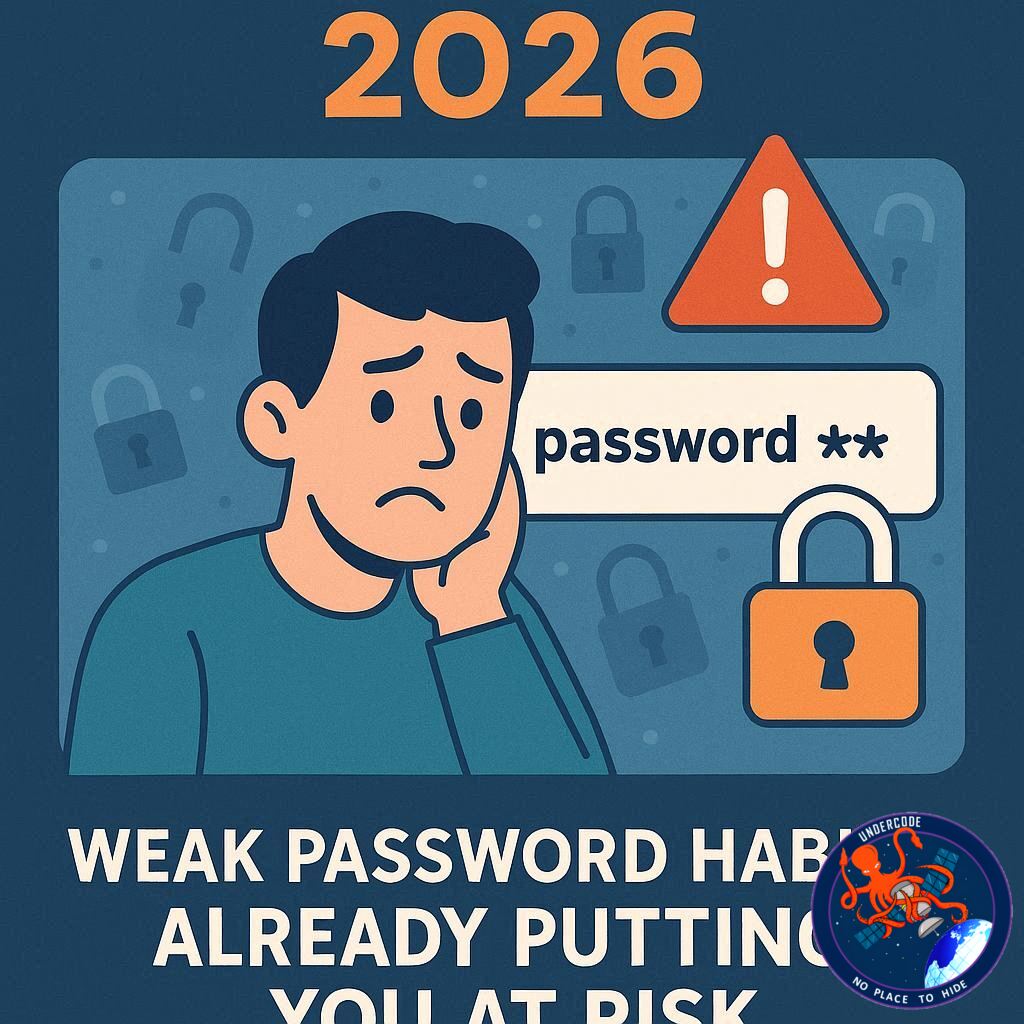
Introduction: The Hidden Crisis Behind Everyday Logins
World Password Day returns every year with the same uncomfortable reminder—most people still don’t manage their passwords safely. Despite endless warnings from cybersecurity experts, weak habits remain deeply embedded in daily digital life. From reusing passwords across multiple accounts to relying on browsers or sticky notes, convenience continues to outweigh caution.
In an era where almost every service requires authentication, passwords have become both essential and dangerously fragile. While technology has evolved rapidly, human behavior around password security has barely changed. This growing gap is exactly what cybercriminals exploit, turning small shortcuts into massive security breaches that affect millions worldwide.
30-Line the Original
World Password Day highlights the importance of password security.
It raises a simple question about how people manage their passwords today.
Many users still rely on repeated or weak passwords for convenience.
Some write them down in notebooks or store them in unsafe places.
Others depend entirely on browser autofill systems.
Despite awareness campaigns, bad password habits remain common globally.
A 2025 cybersecurity survey shows over one-third of users write passwords down.
Nearly 20% reuse the same password across multiple accounts.
Only a small portion use dedicated password managers.
Convenience often outweighs security concerns in daily behavior.
Cybercriminals exploit this human tendency with phishing attacks.
Fake login pages trick users into entering real credentials.
Urgent messages and alerts increase the likelihood of mistakes.
Infostealer malware quietly collects stored passwords and session data.
Tools like LummaStealer spread through fake downloads and links.
Once installed, they extract sensitive data from devices.
Saved passwords and autofill information are especially vulnerable.
Large-scale data breaches continue to expose millions of credentials.
Massive compilations of leaked data circulate on the dark web.
Examples include datasets containing billions of login records.
These leaks are reused in automated cyberattacks worldwide.
Reused passwords make it easier for attackers to access multiple accounts.
Email accounts are often the primary target for hackers.
From email, attackers can reset passwords for other services.
Financial accounts and social media profiles are often compromised next.
Session cookies can allow attackers to bypass passwords entirely.
New technologies like passkeys are emerging as alternatives.
Biometrics and hardware keys are also gaining popularity.
However, passwords remain the default authentication method globally.
Experts stress the importance of better password hygiene.
Password managers help generate and store secure credentials.
They reduce the need for memorization and reuse.
Security tools also help detect breaches and protect identity data.
Cybersecurity today requires more than just strong passwords.
A layered approach is necessary to stay protected online.
What Undercode Says: The Real Problem Isn’t Passwords—It’s Human Behavior
Convenience Is Still the Weakest Link in Cybersecurity Thinking
Even with years of awareness campaigns, users consistently prioritize speed over safety. The psychology behind this is simple: people choose what is easiest in the moment, not what is safest in theory. This behavior keeps predictable password patterns alive.
Attackers No Longer “Hack”—They Log In
Modern cyberattacks rarely involve breaking encryption. Instead, they rely on stolen credentials from phishing or malware. Once passwords are obtained, attackers simply log in like legitimate users, making detection harder.
Infostealers Have Quietly Changed the Game
Malware like infostealers operates silently in the background, collecting stored passwords, browser sessions, and autofill data. This means even strong passwords lose value if the device itself is compromised.
Data Breaches Have Created a Permanent Shadow Internet
Massive leaks such as compiled credential databases ensure that no password is ever truly “forgotten” once exposed. These datasets are continuously reused, repackaged, and resold across cybercriminal networks.
Password Reuse Turns Small Mistakes Into Systemic Failures
Reusing a password across platforms creates a chain reaction risk. One breach can unlock email accounts, financial services, and social media profiles in seconds, escalating damage rapidly.
Email Accounts Remain the Central Control Point for Attacks
Most account recovery systems depend on email. Once compromised, attackers gain a master key to reset and take over connected services, often without immediate detection.
Session Hijacking Is Replacing Traditional Password Theft
Modern attackers increasingly rely on stolen session cookies. These allow access without needing passwords at all, bypassing even multi-factor authentication in some cases.
Security Tools Are Improving, but Human Habits Are Not
Despite advancements like password managers and authentication systems, user behavior remains the weakest defense layer. Technology alone cannot fix inconsistent habits.
Password Managers Reduce Risk but Require Trust Shift
Tools like password managers solve complexity by removing human memory from the equation. However, adoption remains low due to trust concerns and lack of awareness.
The Future Is Moving Beyond Passwords, but Transition Is Slow
Passkeys and biometrics offer stronger alternatives, but global infrastructure still depends heavily on traditional passwords, meaning the risk landscape will persist for years.
🔍 Fact Checker Results
✔ Credential leaks are continuously reused across cybercrime networks
✔ Phishing remains one of the most effective attack methods globally
✔ Password reuse significantly increases the impact of breaches
📊 Prediction: The Next Phase of Digital Identity Security
Rise of Passwordless Authentication Systems
Within the next few years, passkeys and biometric systems are expected to become mainstream, gradually replacing traditional password-based logins in major platforms.
Increased Targeting of Device-Level Security
As passwords become less effective, attackers will focus more on device compromise, including malware, session theft, and identity persistence techniques.
Growing Demand for Automated Security Ecosystems
Users will increasingly rely on integrated security suites that combine identity protection, breach monitoring, and automated credential management in a single system.
🕵️📝Let’s dive deep and fact‑check.
References:
Reported By: www.bitdefender.com
Extra Source Hub (Possible Sources for article):
https://www.digitaltrends.com
Wikipedia
OpenAi & Undercode AI
Image Source:
Unsplash
Undercode AI DI v2
Bing
🔐JOIN OUR CYBER WORLD [ CVE News • HackMonitor • UndercodeNews ]
📢 Follow UndercodeNews & Stay Tuned:
𝕏 formerly Twitter 🐦 | @ Threads | 🔗 Linkedin | 🦋BlueSky | 🐘Mastodon


