
Listen to this Post
 Introduction: A Growing Wave of Cyberattacks Targets Critical Tech Infrastructure
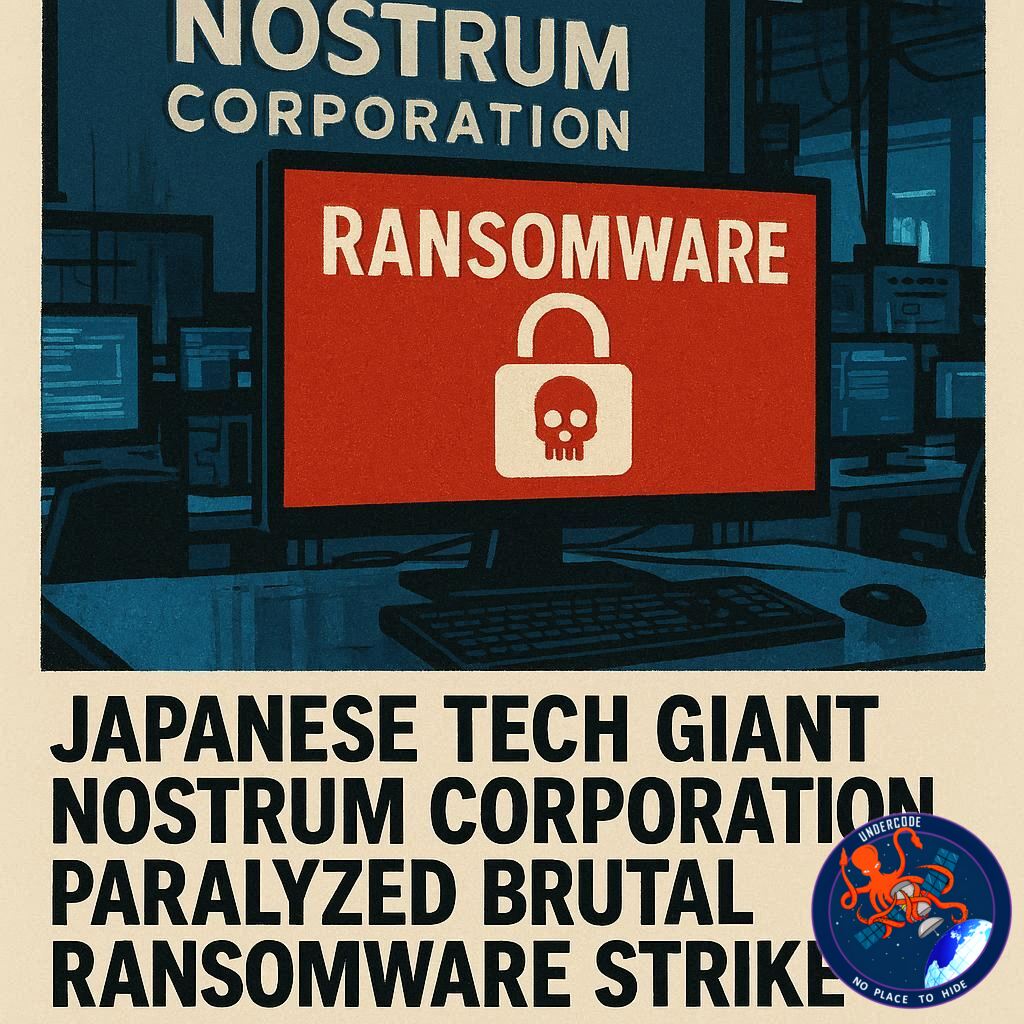
A major cybersecurity incident has struck Japan’s long-established technology sector, as Nostrum Corporation, a company founded in 1991, has reportedly fallen victim to a ransomware attack attributed to the threat group known as “thegentlemen.” The attack has caused widespread disruption, with internal systems encrypted and operational continuity severely impacted. Alongside the immediate damage, the attackers are also threatening to leak sensitive corporate data, escalating concerns over industrial espionage and data extortion. This incident comes at a time when global cybersecurity tensions are rising, with major technology providers simultaneously reinforcing their defensive strategies. In a parallel development, Oracle has announced a significant shift in its security update framework, introducing monthly Critical Security Patch Updates designed to accelerate vulnerability fixes and reduce exposure windows for high-risk threats. Together, these events highlight a rapidly evolving cyber landscape where both attackers and defenders are intensifying their tactics.
the Incident and Broader Cybersecurity Context
Nostrum Corporation, a long-established Japanese technology firm operating since 1991, has reportedly been hit by a ransomware attack carried out by a cybercriminal group identified as “thegentlemen.” The attackers successfully encrypted critical systems, effectively locking the company out of its own operational infrastructure. This has led to significant disruption in services and internal workflows, raising concerns about potential financial and reputational damage. Beyond system encryption, the attackers have escalated their pressure tactics by threatening to release stolen or sensitive corporate data publicly if their demands are not met. This dual-layer extortion strategy reflects a growing trend in ransomware operations, where encryption alone is no longer sufficient for attackers to maximize leverage over victims. The incident underscores the increasing vulnerability of legacy technology firms, even those with decades of operational experience, as cyber threats continue to evolve in sophistication and scale. Meanwhile, the cybersecurity industry is responding with stronger preventive measures. Oracle has announced the introduction of monthly Critical Security Patch Updates starting May 28, a move aimed at accelerating the delivery of fixes for high-priority vulnerabilities. This new approach supplements its traditional quarterly update cycle and incorporates artificial intelligence tools to enhance detection and remediation speed. The combination of more frequent updates and AI-assisted security reflects a broader shift toward proactive defense mechanisms in the tech industry. Together, these developments illustrate a growing divide between increasingly aggressive cybercriminal operations and rapidly modernizing cybersecurity infrastructures attempting to keep pace. The Nostrum Corporation breach serves as another reminder that even established enterprises are not immune to disruption, especially when attackers leverage both encryption and data leak threats as part of their strategy. At the same time, the global response from companies like Oracle suggests that the cybersecurity sector is entering a new phase of accelerated defense, where speed and automation are becoming critical components of digital protection strategies.
What Undercode Say:
Escalation of Ransomware Tactics Beyond Simple Encryption
The Nostrum Corporation attack highlights how ransomware groups have evolved far beyond basic system lockdown operations. Modern threat actors increasingly combine encryption with data exfiltration and public leak threats. This dual-pressure model significantly increases victim compliance rates because companies face not only operational paralysis but also reputational collapse if sensitive information is exposed. The “thegentlemen” group fits this modern pattern, showing structured cyber extortion strategies rather than opportunistic attacks.
Legacy Tech Firms as High-Value, High-Risk Targets
Companies like Nostrum Corporation, founded in the early 1990s, often operate hybrid infrastructures that include legacy systems integrated with modern networks. This creates exploitable gaps that sophisticated ransomware groups actively target. The attack demonstrates that longevity in the tech industry does not guarantee resilience. In fact, older firms often face greater cybersecurity challenges due to outdated architecture and slower modernization cycles, making them attractive targets for cybercriminals seeking high-impact disruptions.
Oracle’s Shift Toward Monthly Security Patching Reflects Industry Pressure
Oracle’s decision to move toward monthly Critical Security Patch Updates signals a broader industry acknowledgment that quarterly update cycles are no longer sufficient. The acceleration of vulnerability discovery, driven by both AI tools and more aggressive attackers, requires faster remediation. By shortening patch cycles and integrating AI-driven detection, Oracle is attempting to reduce the “exposure window” that attackers exploit. This shift represents a structural change in enterprise cybersecurity philosophy from reactive defense to near-real-time response.
Artificial Intelligence Becomes Central to Cyber Defense Strategy
The integration of AI into Oracle’s security framework reflects a larger transformation in cybersecurity operations. AI is increasingly being used not only for threat detection but also for prioritizing vulnerabilities and automating patch deployment. This reduces human response delays and helps organizations manage the overwhelming volume of security alerts. However, it also introduces new risks, as attackers may begin targeting AI systems themselves or exploiting automation blind spots.
Rising Global Cyber Conflict Between Attackers and Defenders
The simultaneous occurrence of a major ransomware attack and the announcement of enhanced security protocols illustrates the escalating digital arms race. Cybercriminal groups are becoming more organized and financially motivated, while corporations are investing heavily in predictive defense systems. This dynamic creates a continuously shifting battlefield where neither side maintains long-term dominance, and where speed of adaptation becomes the defining factor of cybersecurity success.
Data Leakage Threats Increasing Psychological Pressure on Victims
Modern ransomware campaigns are no longer limited to technical disruption. The added threat of publishing stolen data introduces psychological and legal pressure on victims. Organizations must now prepare for regulatory consequences, customer trust erosion, and potential litigation in addition to operational recovery. This significantly increases the cost of cyberattacks and forces companies to invest in comprehensive data governance and incident response strategies.
🔍 Fact Checker Results:
🔍 Attack Attribution Confidence
Reports linking the attack to “thegentlemen” group are based on cybersecurity monitoring claims and may evolve as forensic analysis continues.
🔍 Oracle Security Update Announcement
Oracle’s shift to monthly security updates aligns with documented industry trends toward faster patch deployment cycles.
🔍 Ransomware Trend Validation
The combination of encryption and data leak extortion is a well-established and growing pattern in global ransomware operations.
📊 Prediction
The cybersecurity landscape is likely to become more fragmented and aggressive, with ransomware groups further refining double-extortion tactics. Companies with legacy infrastructure will face increasing pressure to modernize or risk repeated breaches. Meanwhile, major tech providers are expected to accelerate AI-driven security automation, potentially moving toward continuous patch deployment models. This could eventually reshape cybersecurity from scheduled maintenance cycles into real-time adaptive defense ecosystems.
🕵️📝Let’s dive deep and fact‑check.
References:
Reported By: x.com
Extra Source Hub (Possible Sources for article):
https://www.discord.com
Wikipedia
OpenAi & Undercode AI
Image Source:
Unsplash
Undercode AI DI v2
Bing
🔐JOIN OUR CYBER WORLD [ CVE News • HackMonitor • UndercodeNews ]
📢 Follow UndercodeNews & Stay Tuned:
𝕏 formerly Twitter 🐦 | @ Threads | 🔗 Linkedin | 🦋BlueSky | 🐘Mastodon


