
Listen to this Post
Introduction
WhatsApp is continuing its push to make status updates faster and easier to access, and the latest beta release for Android reveals another important step in that direction. With the rollout of WhatsApp beta for Android 2.26.18.5 through the Google Play Beta Program, developers are now working on a brand-new Home Screen widget designed specifically for status updates.
The upcoming feature aims to simplify how users interact with WhatsApp Status by allowing them to instantly see who posted new updates directly from their Android Home Screen. Instead of opening the app and navigating through tabs, users will be able to monitor recent activity at a glance. The widget is still under development, but early details suggest it could significantly improve convenience and engagement for millions of Android users worldwide.
WhatsApp Expands Its Widget Strategy
WhatsApp has recently invested heavily in improving widgets across mobile platforms. Earlier, the company introduced a modernized status widget for iOS users, offering a cleaner and more interactive experience directly on the Home Screen. That version included compact and expanded widget sizes, enabling users to quickly view status updates from one or multiple contacts without opening the app itself.
Now, Android users are finally getting similar treatment.
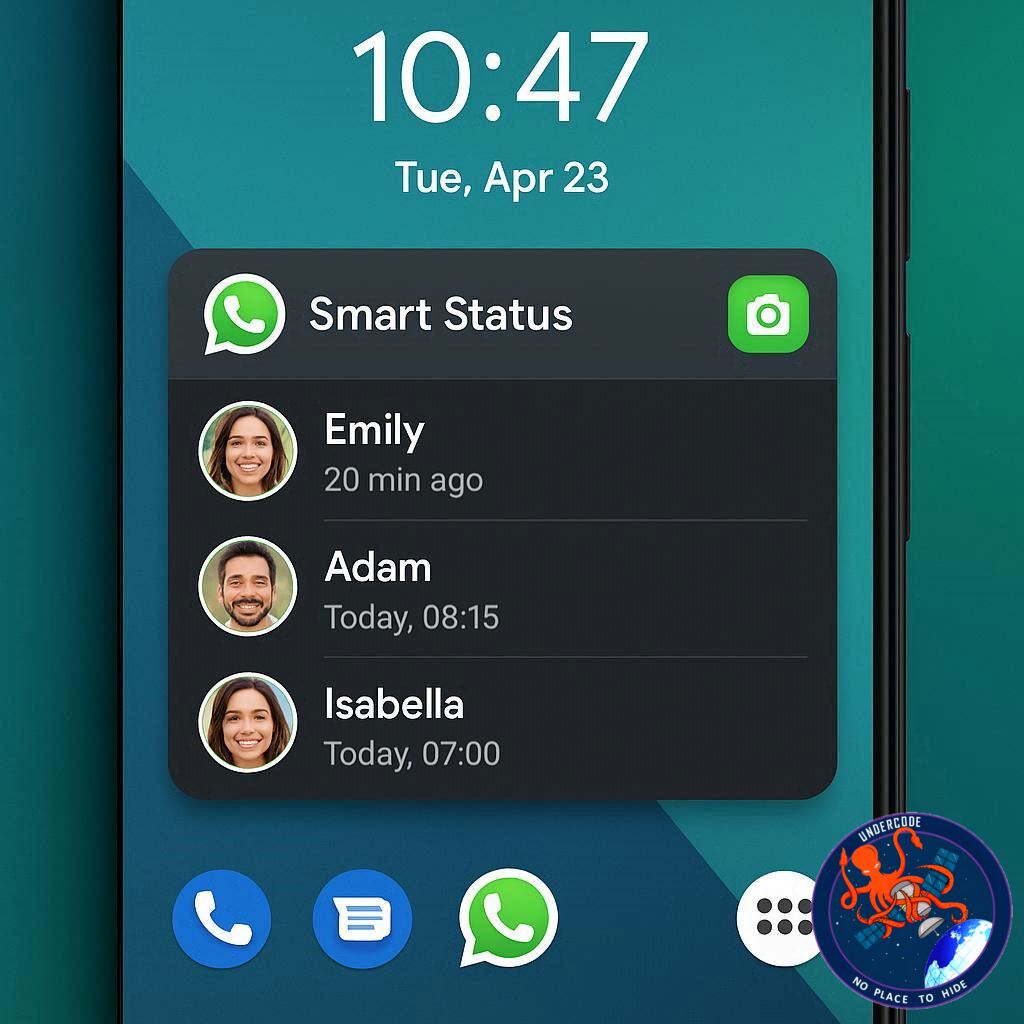
The new Android beta update confirms that WhatsApp is developing a dedicated widget capable of showing which contacts recently shared a status update. Although the feature is not available for public testing yet, internal development screenshots already demonstrate how the system may function once released.
Faster Access to Status Updates
Currently, WhatsApp users must manually open the application before checking status updates. Most people access statuses through the “Updates” tab, while some notifications appear through profile rings inside chat lists. While functional, these methods still require multiple steps before users can see fresh content.
The upcoming widget eliminates that friction.
Once added to the Android Home Screen, the widget will immediately display recent status activity. Users will no longer need to open WhatsApp just to know who uploaded something new. This creates a much faster and smoother experience, especially for people who frequently consume status content throughout the day.
Similar to the iOS Experience
The Android implementation appears heavily inspired by the iOS widget already released in earlier beta versions. WhatsApp seems interested in creating a unified cross-platform experience where both Android and iPhone users enjoy similar functionality.
Reports suggest the widget may display updates from up to three contacts simultaneously. Instead of acting like a simple shortcut, it will serve as a mini-dashboard that keeps users informed about the latest activity in real time.
This approach aligns with broader smartphone trends where widgets increasingly replace the need to constantly open apps.
A Shortcut for Creating Status Updates
Another interesting addition is the ability to create status updates directly from the widget itself.
Rather than launching WhatsApp and navigating to the Updates section manually, users will reportedly be able to tap a shortcut from the Home Screen widget and instantly access the status creation interface.
For users who regularly share photos, videos, or text updates, this could become a major time-saving improvement. The feature also reflects WhatsApp’s growing focus on making Status a more central part of the app ecosystem.
Smart Ranking System Will Decide What You See
One of the most notable aspects of this upcoming widget is the use of WhatsApp’s internal ranking algorithm.
Instead of showing status updates purely in chronological order, the widget will prioritize contacts based on user interaction patterns. Frequently contacted people, recently messaged chats, and pinned conversations are expected to receive higher visibility.
WhatsApp may also prioritize status updates that are close to expiring, ensuring users do not miss temporary content before it disappears.
Importantly, the ranking process reportedly operates locally on the device, which helps maintain privacy while still delivering personalized recommendations.
Privacy Remains a Core Focus
WhatsApp continues emphasizing privacy-friendly design choices, and this widget appears to follow the same philosophy.
Because the ranking calculations happen directly on the user’s device, WhatsApp does not need to process this information externally. This local processing method reduces privacy concerns while still enabling intelligent personalization.
That balance between convenience and privacy has become one of WhatsApp’s strongest competitive advantages compared to many other messaging platforms.
The Feature Is Still Under Development
At the moment, the status widget is not publicly available for beta testers. WhatsApp developers are still refining the layout, ranking behavior, and integration system before a broader rollout begins.
As with many experimental WhatsApp features, testing will likely happen gradually before global release. Some beta users may receive early access first, followed by wider deployment once stability improves.
Even though the feature remains unfinished, the direction is already clear: WhatsApp wants status updates to become more visible, interactive, and deeply integrated into the Android experience.
What Undercode Say:
WhatsApp’s decision to bring a dedicated status widget to Android may appear like a small interface update at first glance, but it actually reveals a larger strategic shift inside Meta’s messaging ecosystem.
For years, WhatsApp Status has existed somewhat in the shadow of Instagram Stories and Facebook Stories. Despite having billions of users, WhatsApp has traditionally focused more on messaging than passive social engagement. This new widget changes that dynamic significantly.
By placing status activity directly on the Home Screen, WhatsApp is essentially trying to increase daily user interaction frequency without requiring users to consciously open the app. This mirrors strategies already used by social media giants where visibility equals engagement.
Widgets are powerful because they reduce friction.
The fewer taps required to consume content, the more likely users are to interact with it repeatedly throughout the day. Android users checking their phones dozens or even hundreds of times daily may now casually consume WhatsApp statuses in the same way people quickly scan weather widgets or notification panels.
This move could increase the overall importance of Status inside WhatsApp’s ecosystem.
Another important aspect is behavioral ranking. WhatsApp is no longer just organizing chats. It is learning which people matter most to users and surfacing their content proactively. While the company stresses privacy protections, this still demonstrates increasingly advanced personalization systems inside the app.
The local-device ranking model is especially interesting from a security perspective.
Instead of heavily relying on cloud-side behavioral analysis, WhatsApp appears to be leveraging on-device intelligence to preserve user privacy. This approach aligns with broader industry trends where companies attempt to balance personalization with growing public concerns over surveillance and data collection.
There is also a competitive angle.
Telegram, Signal, and other messaging apps continue expanding their feature sets aggressively. Meta likely understands that keeping users engaged inside WhatsApp requires more than encrypted messaging. Features like widgets, AI integrations, channels, and enhanced status systems help transform WhatsApp into a broader communication platform.
The Home Screen strategy also reflects how modern mobile UX is evolving.
Applications increasingly compete for surface-level visibility rather than deep navigation. If users can access content instantly from widgets, lock screens, or notification layers, engagement naturally increases.
This is why Apple and Google continue expanding widget APIs every year.
From a technical standpoint, implementing a real-time status widget on Android may not be entirely straightforward. Battery optimization systems, refresh limitations, and device fragmentation often create challenges for persistent widgets. WhatsApp will likely need careful optimization to ensure updates appear quickly without draining device resources.
The feature could also subtly influence social behavior.
When users see status updates more frequently, they may feel encouraged to post more often themselves. Increased posting leads to increased viewing, which then strengthens platform retention. This engagement loop is something every major social platform actively pursues.
There is another overlooked factor here: convenience psychology.
Users tend to engage more with tools requiring minimal effort. A single-tap status creation shortcut removes several interaction steps, making spontaneous posting much more likely. Over time, that can dramatically increase feature usage statistics.
The widget may additionally serve professional and creator communities.
Small businesses, influencers, and freelancers often use WhatsApp Status for marketing, announcements, and customer engagement. Faster visibility could improve the effectiveness of those posts.
Meta’s ecosystem strategy also becomes more visible with updates like this.
Instagram, Facebook, Messenger, and WhatsApp increasingly borrow successful interface concepts from one another. The goal appears to be creating consistent behavioral patterns across platforms.
This makes user transitions between apps smoother and more addictive.
If WhatsApp continues expanding Home Screen functionality, future widgets may eventually include chat previews, AI summaries, quick media sharing, or interactive communication tools beyond status updates alone.
The current widget may therefore represent only the beginning of a much larger Android integration roadmap.
Fact Checker Results
✅ WhatsApp beta for Android version 2.26.18.5 has been reported as the update where the new widget was discovered.
✅ The status widget is currently under development and not yet available for public beta testing.
✅ The widget is expected to prioritize relevant contacts using WhatsApp’s existing interaction-based ranking system.
Prediction
🔮 WhatsApp will likely expand widget functionality further by adding interactive messaging and AI-powered content suggestions in future updates.
🔮 Android users may eventually receive multiple widget size options similar to the iOS implementation already being tested.
🔮 Status updates could become a more central feature inside WhatsApp as Meta pushes stronger social engagement across its messaging platforms.
🕵️📝Let’s dive deep and fact‑check.
References:
Reported By: wabetainfo.com
Extra Source Hub (Possible Sources for article):
https://www.linkedin.com
Wikipedia
OpenAi & Undercode AI
Image Source:
Unsplash
Undercode AI DI v2
Bing
🔐JOIN OUR CYBER WORLD [ CVE News • HackMonitor • UndercodeNews ]
📢 Follow UndercodeNews & Stay Tuned:
𝕏 formerly Twitter 🐦 | @ Threads | 🔗 Linkedin | 🦋BlueSky | 🐘Mastodon


