
Listen to this Post
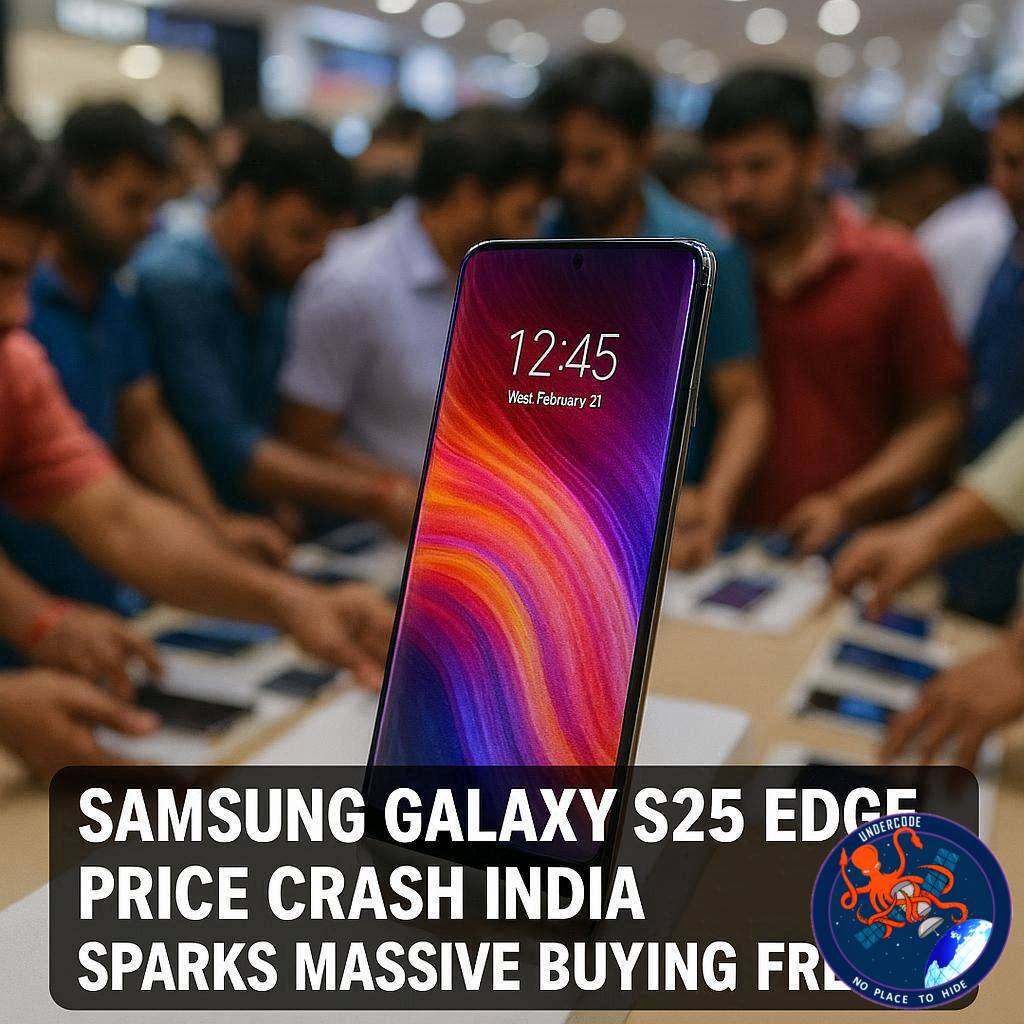
Samsung’s Premium Flagship Suddenly Becomes a Budget Powerhouse
Samsung’s ultra-slim flagship smartphone, the Samsung Galaxy S25 Edge, is about to become dramatically more affordable in India, and the announcement is already creating waves across the smartphone market. Originally launched at a premium starting price of INR 1,09,990 — approximately $1,320 USD — the device is now expected to sell for as low as INR 66,028, or roughly $792 USD, during upcoming online sales campaigns.
The aggressive price cut is tied to major seasonal sales events hosted by India’s largest e-commerce giants, Amazon and Flipkart. While Samsung fans were already anticipating discounts, Flipkart’s newly revealed offer has surprised even veteran tech observers because of how steep the effective reduction actually is. The flagship device, particularly the 12GB RAM and 256GB storage configuration, will reportedly drop to INR 69,999 ($840 USD) before additional bank-related discounts are applied.
Consumers using the Flipkart Axis Bank Credit Card will receive an extra discount of INR 3,971, pushing the final effective price down to INR 66,028. That represents nearly a 40% reduction from the launch price, a rare move for a relatively new Samsung flagship device.
Flipkart’s Strategy Could Intensify Competition in India
The timing of this sale is highly strategic. India remains one of the world’s most competitive smartphone markets, where brands aggressively fight for dominance across premium and mid-range categories. Samsung appears determined to strengthen its foothold by making the Galaxy S25 Edge significantly more accessible to mainstream consumers.
The sale officially begins on May 9, 2026, but Flipkart Black members will gain access 24 hours earlier on May 8. Early-access sales windows have increasingly become a powerful tactic for generating urgency and driving subscriptions to premium membership programs.
The Galaxy S25 Edge itself has attracted attention because of its ultra-thin design language, premium build quality, flagship-grade camera system, and high-end performance specifications. Samsung positioned the device as one of its sleekest smartphones ever released, appealing to users who prioritize aesthetics without sacrificing flagship-level performance.
At the new discounted price, the phone enters an entirely different competitive bracket. Instead of competing solely against premium flagships like Apple’s iPhone Pro lineup or high-end OnePlus devices, it now directly challenges upper mid-range smartphones while still delivering flagship hardware.
Why This Discount Matters More Than It Looks
The smartphone industry has entered a phase where premium devices are becoming harder to justify for average consumers. Prices above $1,000 USD are increasingly facing resistance, especially in markets like India where buyers are highly value-conscious.
Samsung’s decision to slash the effective price of the Galaxy S25 Edge could reflect several broader market realities. First, inventory movement is critical in the current economic climate. Second, smartphone replacement cycles are growing longer as hardware improvements become more incremental year after year.
By offering a flagship at a pseudo-midrange price, Samsung may be attempting to accelerate upgrades from users holding older Galaxy S, Galaxy Note, or even competing Android devices.
The move also pressures rival brands. Companies like Xiaomi, Vivo, OnePlus, and iQOO have built their recent success around delivering aggressive specifications at lower prices. Samsung historically struggled to compete purely on value, but discounts like this suddenly make its premium ecosystem far more attractive.
The Galaxy S25 Edge Could Become One of 2026’s Best Smartphone Deals
The value proposition here is difficult to ignore. Buyers are essentially getting flagship-tier hardware, Samsung’s premium software ecosystem, AI-powered features, long-term software support, and advanced cameras at a price usually reserved for upper mid-range phones.
That changes purchasing psychology entirely.
Instead of debating between a mid-range device and a premium flagship, consumers now see an opportunity to buy into Samsung’s highest-end experience without crossing the psychologically difficult $1,000 USD barrier.
This could especially attract younger buyers, content creators, and tech enthusiasts who prioritize performance and design but are increasingly cautious about spending excessively on smartphones.
What Undercode Says:
Samsung Is Quietly Reshaping the Premium Smartphone Market
Samsung’s aggressive pricing strategy around the Galaxy S25 Edge reveals something deeper than a temporary promotional event. It signals that the premium smartphone market is entering a new phase where perceived value matters more than prestige pricing.
For years, flagship phones kept climbing in price under the assumption that consumers would continue paying more for marginal improvements. But users are no longer upgrading annually at the same pace. The industry has hit a saturation point where cameras, processors, and displays have become “good enough” for most people.
That creates a dangerous situation for manufacturers holding expensive inventory.
Samsung appears to understand this shift earlier than many competitors. Instead of protecting the flagship’s premium image at all costs, the company is leveraging aggressive discounts to expand ecosystem adoption. Once users enter Samsung’s ecosystem — including Galaxy Watches, Buds, tablets, and AI services — they are more likely to remain long-term customers.
The Galaxy S25 Edge’s ultra-thin design is also significant from a branding perspective. Smartphone innovation has slowed dramatically in recent years, making visual differentiation increasingly important. Slimness, weight reduction, and premium feel are becoming emotional selling points because raw hardware specifications no longer excite average buyers the way they once did.
There is also an important psychological factor behind this pricing tactic. Consumers feel smarter when they believe they are getting a flagship device at a “steal.” A near-40% effective discount creates emotional urgency and social validation. Buyers are not simply purchasing a phone; they feel like they are beating the system.
This is particularly powerful in India’s market culture, where flash sales and limited-time discounts generate enormous online engagement. Samsung and Flipkart understand how digital hype cycles work, especially across YouTube, Instagram, Telegram communities, and tech influencers.
Another overlooked angle is how this impacts competitors in the Android ecosystem. Brands that traditionally dominated the “value flagship” segment may suddenly face pressure because Samsung now offers stronger brand recognition, better cameras, superior software support, and broader ecosystem integration at similar prices.
That changes the competitive equation entirely.
Apple may also indirectly feel pressure in markets where pricing sensitivity is high. While iPhones maintain strong aspirational appeal, Samsung’s discounted premium devices become much harder to ignore when consumers compare specifications side-by-side.
The long-term consequence could be a gradual collapse of traditional flagship pricing models. Consumers now know companies can afford to slash prices dramatically within months of launch. That awareness may reduce willingness to pay full retail prices in the future.
If this trend continues, smartphone launches may increasingly resemble the gaming industry, where early adopters pay premium prices while mainstream buyers wait for inevitable discounts.
Samsung’s challenge will be balancing premium branding with aggressive discount culture. Too many large discounts risk training consumers to delay purchases permanently.
Still, from a short-term market perspective, this strategy is brilliant.
Samsung is not merely selling phones here. It is buying market share, ecosystem loyalty, and mindshare in one of the world’s most important smartphone battlegrounds.
🔍 Fact Checker Results
✅ The Reported Discount Is Realistic
Major Indian e-commerce platforms frequently partner with banks to provide stacked discounts during large-scale sales events, making the reported effective pricing believable.
✅ Samsung Has Historically Used Aggressive Sales Tactics in India
Samsung regularly introduces heavy promotional pricing in India to compete against Chinese smartphone brands dominating the value-for-money category.
❌ The Discount Does Not Necessarily Reflect Weak Sales
Large discounts on flagship phones do not automatically mean the product failed commercially. They are often part of broader market expansion strategies.
📊 Prediction
Samsung’s Pricing Move Could Trigger a New Android Price War
The Galaxy S25 Edge discount may force competing Android manufacturers to slash prices across their own flagship lineups over the coming months. Consumers could benefit from a broader premium smartphone price war throughout 2026.
Ultra-Thin Smartphones May Become the Next Major Trend
If the Galaxy S25 Edge gains strong traction, other manufacturers are likely to prioritize ultra-slim designs again, reviving a design philosophy that largely disappeared during the era of oversized camera modules.
Buyers Will Delay Paying Full Price for Flagships
Consumers may increasingly wait for seasonal sales rather than buying smartphones at launch. This behavior could fundamentally reshape smartphone release strategies across the industry.
🕵️📝Let’s dive deep and fact‑check.
References:
Reported By: www.sammobile.com
Extra Source Hub (Possible Sources for article):
https://www.reddit.com
Wikipedia
OpenAi & Undercode AI
Image Source:
Unsplash
Undercode AI DI v2
Bing
🔐JOIN OUR CYBER WORLD [ CVE News • HackMonitor • UndercodeNews ]
📢 Follow UndercodeNews & Stay Tuned:
𝕏 formerly Twitter 🐦 | @ Threads | 🔗 Linkedin | 🦋BlueSky | 🐘Mastodon


