
Listen to this Post
Massive Privacy Failure Rocks Mexican Healthcare Sector
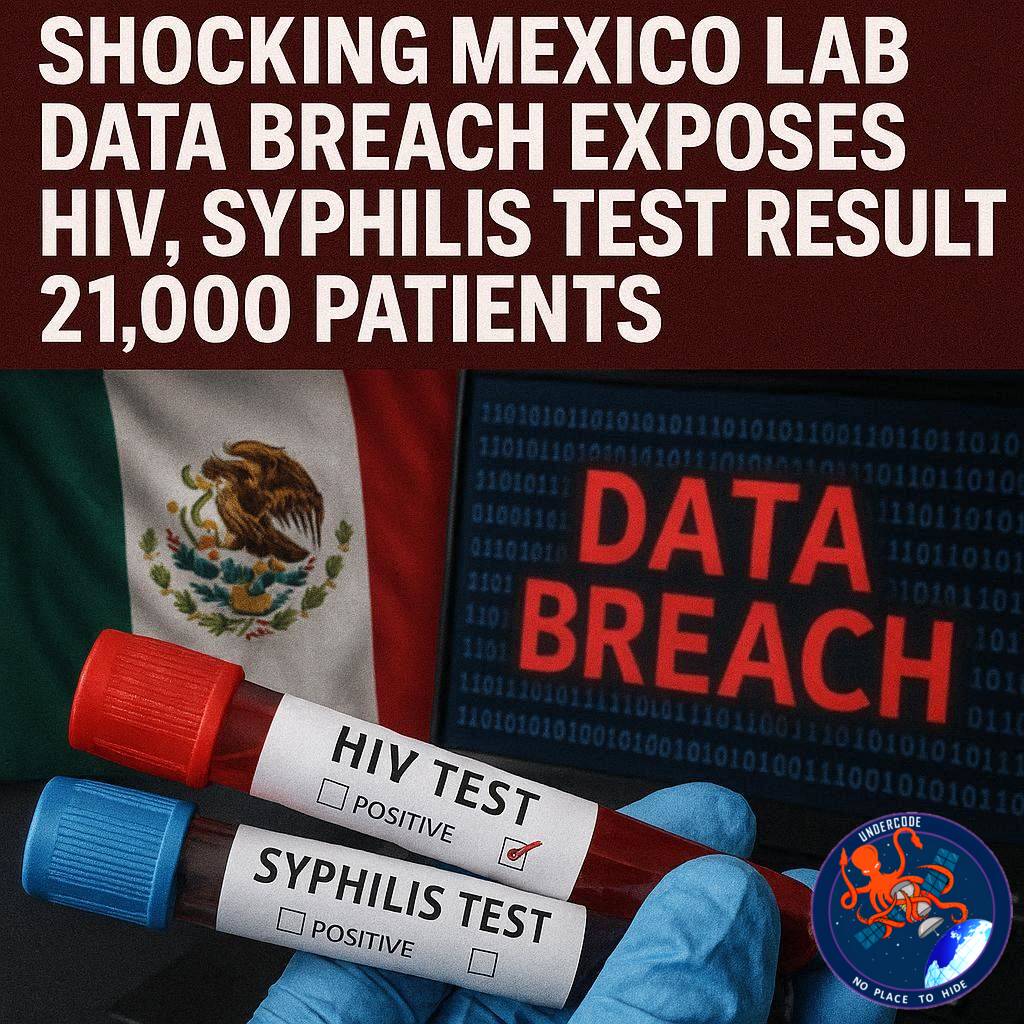
A serious cybersecurity incident has shaken Mexico’s healthcare industry after reports revealed that sensitive medical data belonging to more than 21,000 patients from Laboratorios CEFLO was exposed online. The leaked information reportedly includes highly confidential test results related to HIV, syphilis, and COVID-19, along with personal details such as full names, birth dates, phone numbers, and additional identifying information.
The breach was first highlighted by the cybersecurity-focused account “Cybersecurity News Everyday,” which shared details about the exposure on social media. According to the report, the leak originated from Laboratorios CEFLO, a Mexican medical laboratory that handles diagnostic testing services. The incident immediately raised concerns about patient confidentiality, digital security practices, and the growing wave of healthcare-related cyberattacks targeting medical institutions worldwide.
Healthcare data has become one of the most valuable targets for cybercriminals because it combines financial information, personal identity details, and sensitive medical records in one place. Unlike stolen credit cards that can easily be canceled, medical histories remain permanently valuable on underground markets. This makes hospitals, laboratories, and healthcare providers extremely attractive to hackers and data brokers operating across dark web forums.
What makes this breach particularly alarming is the nature of the exposed records. Positive HIV and sexually transmitted disease test results are among the most private forms of medical information a person can possess. Public exposure of such data can lead to severe emotional distress, reputational damage, discrimination, social stigma, and even financial consequences for affected individuals.
Reports suggest that the exposed dataset also included COVID-19 testing information, adding another layer to the privacy concerns. During and after the pandemic, many healthcare systems accelerated digital transformation efforts, often prioritizing speed and accessibility over long-term cybersecurity infrastructure. As a result, several medical institutions worldwide unintentionally created vulnerabilities that hackers continue to exploit today.
The breach comes at a time when cyberattacks against healthcare providers are escalating globally. Medical organizations have increasingly struggled with ransomware campaigns, database leaks, phishing attacks, and insider threats. Experts warn that healthcare systems often operate with outdated software, limited cybersecurity budgets, and fragmented infrastructure, making them easier targets compared to heavily protected financial institutions.
In this case, the exposure of patient phone numbers and birth dates could also open the door for secondary attacks. Cybercriminals frequently use leaked personal information to conduct identity theft, financial fraud, phishing scams, and targeted social engineering operations. Victims may receive convincing fake calls or messages pretending to be healthcare representatives or government agencies.
The incident also raises questions about regulatory compliance and data protection standards in Latin America. Governments worldwide have introduced stricter privacy regulations in recent years, but enforcement and technical implementation remain inconsistent. If investigators confirm negligence or poor security practices, Laboratorios CEFLO could face legal scrutiny, financial penalties, or lawsuits from affected patients.
Cybersecurity analysts note that medical laboratories are particularly vulnerable because they often integrate with multiple systems, including hospitals, insurance companies, external testing services, and government databases. Every integration point increases the potential attack surface. Even a minor misconfiguration or unprotected server can expose thousands of records within seconds.
The psychological impact of healthcare leaks is often underestimated. Financial fraud victims may recover stolen funds, but victims of medical data exposure can face years of anxiety and fear over how their information might be used or distributed. HIV-related leaks especially carry serious social implications in many regions, where stigma and discrimination still remain widespread despite public awareness campaigns.
The breach involving Laboratorios CEFLO also reflects a larger trend within global cybersecurity. Data leaks are no longer isolated technical incidents; they have evolved into public trust crises. Consumers increasingly expect organizations to safeguard personal information with the same seriousness as physical security. When healthcare providers fail to do so, the reputational damage can become catastrophic.
Another worrying aspect is the speed at which stolen data spreads online. Once databases appear on hacker forums or leak-sharing communities, removing them becomes nearly impossible. Copies are rapidly duplicated, sold, and redistributed across multiple platforms. Even if the original source is secured, the exposed information may continue circulating for years.
The incident surfaced alongside another reported leak involving over seven million records from the French dating platform Meetic. Together, these cases highlight how both healthcare and relationship-based platforms remain prime targets because they contain deeply personal information capable of causing emotional harm if exposed publicly.
What Undercode Says:
Healthcare Cybersecurity Has Become a Global Emergency
The Laboratorios CEFLO incident demonstrates how healthcare organizations continue to underestimate the sophistication and persistence of modern cyber threats. While financial institutions have spent decades investing billions into cybersecurity infrastructure, many medical providers still rely on outdated systems and reactive security strategies.
Sensitive Medical Data Carries Unique Black-Market Value
Unlike ordinary identity leaks, healthcare breaches create permanent vulnerability for victims. Medical histories cannot simply be reset or changed like passwords. Once HIV or STD-related records become public, victims may face social consequences that extend far beyond financial damage.
Small Laboratories Are Increasingly Targeted
Hackers no longer focus exclusively on large hospital networks. Smaller laboratories and regional clinics are becoming easier targets because they often lack advanced cybersecurity teams, endpoint monitoring systems, and incident response capabilities.
Public Trust Is Now the Real Battlefield
Cybersecurity incidents in healthcare create long-term trust erosion. Patients may begin avoiding digital medical systems, refusing online test registrations, or withholding sensitive information from providers out of fear that their data could leak.
Data Breaches Are Becoming Emotionally Weaponized
Modern hackers understand that emotionally sensitive data creates maximum public reaction. Leaking HIV results generates far greater media attention than ordinary email-password combinations. Cybercriminals increasingly exploit psychological impact as part of their operations.
Latin America Faces Growing Cybersecurity Pressure
Several Latin American organizations are undergoing rapid digital transformation without matching cybersecurity maturity. This creates dangerous gaps between technology adoption and actual protection capabilities.
Weak Security Cultures Remain a Core Problem
Many healthcare organizations still treat cybersecurity as an IT issue rather than a business survival issue. Employees may lack proper phishing awareness training, executives may delay infrastructure upgrades, and compliance policies may exist only on paper.
Regulatory Systems Are Struggling to Keep Up
Data protection laws exist in many countries, but enforcement often remains inconsistent. Companies may only improve security after a public scandal forces regulatory attention and media scrutiny.
Attack Surfaces Are Expanding Rapidly
Modern laboratories rely on interconnected systems involving cloud storage, mobile apps, insurance platforms, external analytics tools, and remote access technologies. Every connection point introduces new vulnerabilities.
Reputation Damage May Last Longer Than Legal Consequences
Financial penalties can eventually be paid, but public trust is far harder to rebuild. Patients may permanently associate the laboratory’s name with privacy failures and medical exposure.
Cybercriminals Exploit Human Fear
Healthcare leaks are particularly devastating because they exploit fear, shame, and vulnerability. Victims may worry about employers, family members, or social circles discovering deeply private medical conditions.
Artificial Intelligence Could Intensify Future Threats
AI-powered phishing attacks and automated vulnerability scanning tools are making cybercriminal operations more efficient. Smaller organizations may soon struggle to defend themselves against increasingly automated attacks.
Data Brokers and Dark Web Markets Fuel the Problem
Medical records have become premium commodities in underground economies. Complete identity profiles with health information can sell for significantly higher prices than standard financial data.
Governments May Be Forced Into Stricter Action
Incidents like this could push governments toward mandatory cybersecurity audits, stricter healthcare compliance rules, and heavier penalties for negligent data handling.
The Human Cost Is Often Ignored
Behind every leaked record is a real person dealing with anxiety, embarrassment, and uncertainty. Cybersecurity discussions often focus heavily on technical details while overlooking emotional trauma experienced by victims.
🔍 Fact Checker Results
✅ Verified Breach Report
Cybersecurity monitoring accounts and external reporting sources confirmed that Laboratorios CEFLO experienced a data exposure involving thousands of patient records.
✅ Sensitive Medical Information Was Included
The leaked dataset reportedly contained HIV, syphilis, and COVID-19 testing information alongside personal identification details.
❌ No Official Full Technical Disclosure Yet
As of now, there is no publicly available detailed forensic report explaining the exact technical cause of the breach or whether ransomware actors were involved.
📊 Prediction
Rising Healthcare Attacks Will Trigger Stronger Regulations
The Laboratorios CEFLO breach is likely to become another warning sign pushing governments and healthcare regulators toward stricter cybersecurity enforcement. Medical institutions may soon face mandatory penetration testing, encryption standards, and faster breach disclosure requirements.
Patient Lawsuits Could Become More Common
As awareness about digital privacy rights grows, affected individuals may increasingly pursue legal action against organizations that fail to protect sensitive medical information.
Healthcare Providers Will Invest More in Zero-Trust Security
Future healthcare systems are expected to adopt zero-trust architectures, multi-factor authentication, AI-driven monitoring, and segmented databases to reduce exposure risks.
Public Fear Around Medical Data Privacy Will Intensify
Incidents involving HIV and STD records create strong emotional reactions. Patients worldwide may become more cautious about sharing sensitive medical data digitally unless providers demonstrate visible security improvements.
🕵️📝Let’s dive deep and fact‑check.
References:
Reported By: x.com
Extra Source Hub (Possible Sources for article):
https://www.linkedin.com
Wikipedia
OpenAi & Undercode AI
Image Source:
Unsplash
Undercode AI DI v2
Bing
🔐JOIN OUR CYBER WORLD [ CVE News • HackMonitor • UndercodeNews ]
📢 Follow UndercodeNews & Stay Tuned:
𝕏 formerly Twitter 🐦 | @ Threads | 🔗 Linkedin | 🦋BlueSky | 🐘Mastodon


