
Listen to this Post
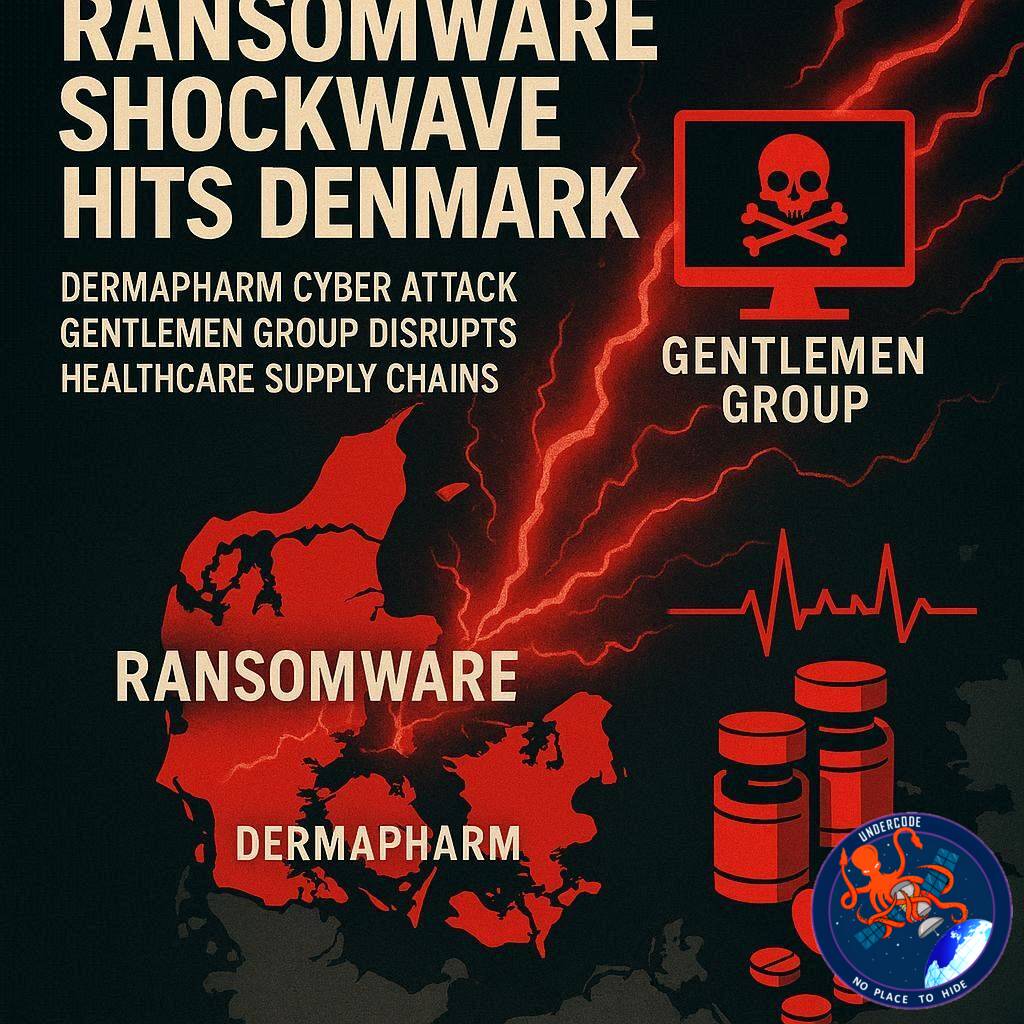
Breaking Cybersecurity Breach Strikes Danish Healthcare Supply Chain
A sudden ransomware attack has shaken Denmark’s healthcare-linked manufacturing sector after skincare company DermaPharm was reportedly compromised by the threat actor group known as “The Gentlemen.” The incident has triggered widespread concern due to its timing, operational impact, and potential ripple effects across medical and skincare supply chains. As production systems and internal operations were disrupted, the attack highlighted how vulnerable even highly regulated healthcare-adjacent industries remain to modern cyber extortion tactics. The event also underscores the growing trend of ransomware groups targeting industrial production environments rather than just data repositories.
Ransomware Attack Targets DermaPharm Operations
DermaPharm, a Danish skincare manufacturer involved in healthcare-related product production, reportedly experienced a ransomware intrusion that affected both its production lines and internal operational infrastructure. The attack forced parts of the company’s systems offline, interrupting manufacturing continuity and raising concerns over delivery delays and supply shortages. While exact technical details remain limited, ransomware incidents of this nature typically involve encryption of critical systems, rendering production data inaccessible until ransom demands are addressed or systems are restored through backups.
The Gentlemen Group Attribution and Attack Pattern
The ransomware operation has been attributed to a group identified as “The Gentlemen,” a name increasingly associated with targeted cyber extortion campaigns. While not as publicly documented as major ransomware syndicates, such groups often rely on stealth intrusion techniques, lateral movement within corporate networks, and delayed activation of encryption payloads to maximize disruption. Attribution in these cases usually stems from digital fingerprints such as ransomware code similarities, negotiation portals, or infrastructure overlap with previous attacks.
Healthcare Sector Disruption Across Denmark
The broader implication of the attack extends beyond DermaPharm itself, as Denmark’s healthcare-linked manufacturing ecosystem faces operational strain. When a supplier in the healthcare production chain is compromised, downstream effects can include delayed product distribution, disrupted hospital supply contracts, and inventory shortages. This event reinforces the reality that healthcare systems today depend heavily on interconnected private-sector manufacturers, making them indirect targets of cybercriminal ecosystems.
What Undercode Says:
Strategic Nature of Modern Ransomware Campaigns
Modern ransomware attacks are no longer random acts of digital vandalism but carefully orchestrated operations designed for maximum leverage. Threat actors increasingly choose targets that cannot afford downtime, such as healthcare manufacturers, logistics providers, and pharmaceutical suppliers. By disrupting production rather than simply stealing data, attackers increase pressure on victims to restore operations quickly. This shift represents a strategic evolution in cyber extortion, where operational paralysis is more valuable than data theft alone.
Why Skincare Manufacturing Becomes a High-Value Target
Industries like skincare and healthcare manufacturing sit at a unique intersection of regulatory pressure, supply chain sensitivity, and time-critical production cycles. Companies such as DermaPharm operate in environments where even short-term disruptions can cascade into contractual penalties and distribution failures. Cybercriminal groups exploit this urgency, knowing that downtime directly translates into financial losses and reputational damage. This makes such firms more likely to consider ransom payment or rapid negotiation.
The Gentlemen Group’s Operational Signature
Although not as widely documented as legacy ransomware syndicates, groups like “The Gentlemen” typically follow a pattern of stealth infiltration followed by controlled disruption. These actors often remain inside networks for extended periods before deploying encryption payloads, ensuring maximum system coverage. Their operations suggest a shift toward quieter, more calculated cybercrime models rather than noisy, immediate attacks. This increases detection difficulty and reduces response time for defenders.
Supply Chain Fragility in Healthcare Production
Healthcare manufacturing ecosystems are deeply interconnected, relying on synchronized logistics, ingredient sourcing, and regulatory compliance systems. A disruption at a single node, such as DermaPharm, can create cascading delays across hospitals, pharmacies, and distributors. This fragility is amplified by just-in-time production models, which reduce storage buffers and increase dependency on continuous system availability. Cyberattacks expose these structural weaknesses in a very visible and costly manner.
Cyber Defense Gaps in European Industrial SMEs
Many mid-sized European manufacturers still operate with cybersecurity frameworks that lag behind evolving threat landscapes. While compliance requirements exist, implementation often varies significantly across organizations. Attackers exploit outdated software, insufficient network segmentation, and weak credential management practices. The DermaPharm incident reflects a broader pattern where smaller industrial players become easier targets compared to heavily fortified multinational corporations.
Economic Fallout and Operational Downtime
The financial consequences of ransomware attacks extend far beyond ransom demands. Production stoppages lead to missed deliveries, contractual breaches, and emergency logistics costs. Even after systems are restored, companies often face long recovery periods involving forensic analysis, infrastructure rebuilding, and customer trust repair. In industries tied to healthcare, these costs are magnified due to strict regulatory expectations and dependency on uninterrupted supply chains.
Critical Infrastructure Risk Expansion
As cyberattacks increasingly target industrial and healthcare-adjacent sectors, the definition of critical infrastructure continues to expand. It is no longer limited to energy grids or government systems but now includes private manufacturing entities essential to public health outcomes. This expansion forces governments and corporations alike to rethink defensive strategies, prioritizing resilience, redundancy, and real-time threat detection across entire production ecosystems.
🔍 Fact Checker Results:
🧾 Attribution Uncertainty and Threat Group Labeling
Public attribution of ransomware groups like “The Gentlemen” often relies on partial technical indicators and should be treated as provisional until confirmed by cybersecurity agencies.
🧾 Operational Impact Claims on Manufacturing
Reports of production disruption are consistent with ransomware behavior, but the exact scale of operational downtime typically requires internal verification.
🧾 Sector-Wide Healthcare Impact Assessment
While supply chain disruption risk is high, actual downstream effects depend on inventory buffers and alternative supplier activation mechanisms.
📊 Prediction:
⚠️ Escalation of Targeted Industrial Ransomware Campaigns
Cybercriminal groups are likely to increasingly focus on mid-sized manufacturers in healthcare supply chains, as these organizations offer high disruption value with comparatively weaker defenses.
⚠️ Increased Government Cyber Regulation Pressure
European regulators may push for stricter cybersecurity compliance frameworks for healthcare-adjacent manufacturers, especially those involved in essential product supply chains.
⚠️ Rise in Operational Resilience Investments
Companies in Denmark and similar markets are expected to invest more heavily in segmentation, backup redundancy, and AI-driven threat detection systems to reduce ransomware exposure risks.
🕵️📝Let’s dive deep and fact‑check.
References:
Reported By: x.com
Extra Source Hub (Possible Sources for article):
https://www.discord.com
Wikipedia
OpenAi & Undercode AI
Image Source:
Unsplash
Undercode AI DI v2
Bing
🔐JOIN OUR CYBER WORLD [ CVE News • HackMonitor • UndercodeNews ]
📢 Follow UndercodeNews & Stay Tuned:
𝕏 formerly Twitter 🐦 | @ Threads | 🔗 Linkedin | 🦋BlueSky | 🐘Mastodon


