
Listen to this Post
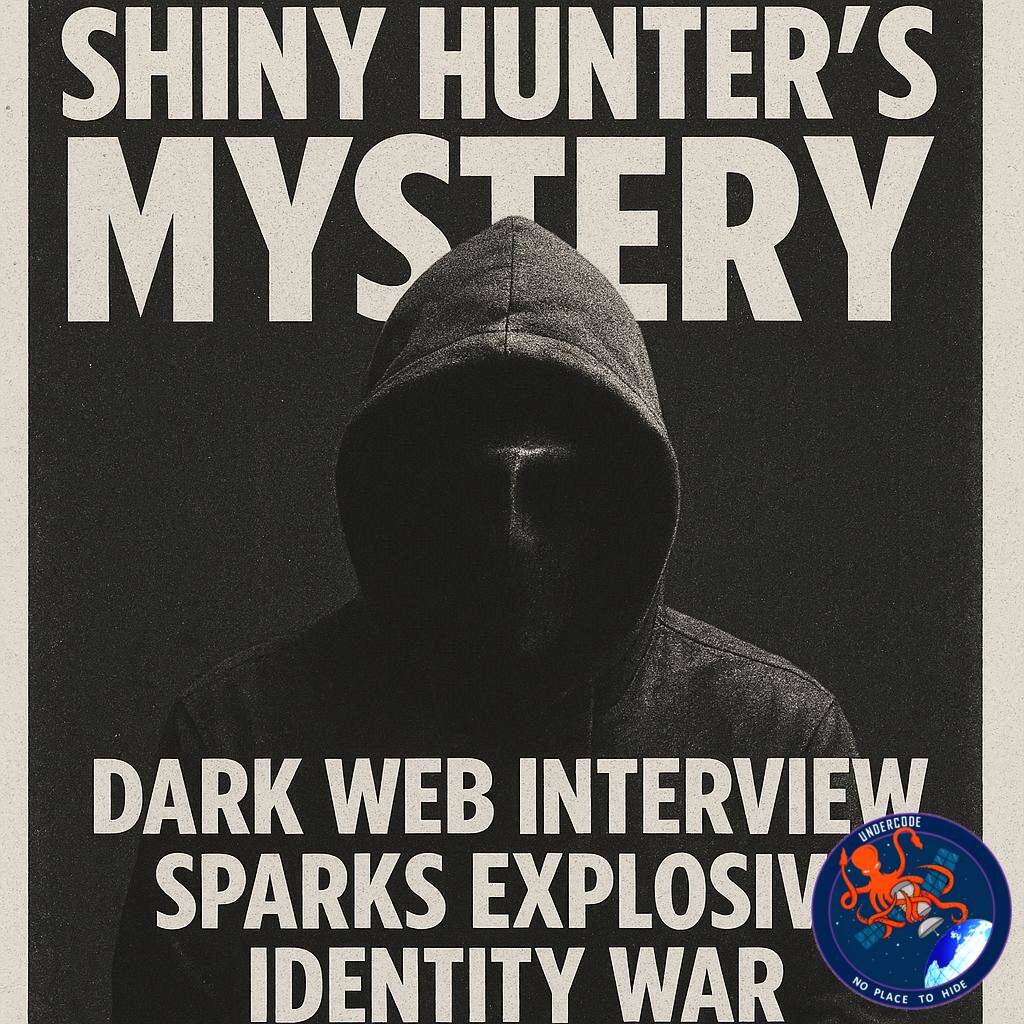 Introduction: A Rare Glimpse Into One of Cybercrime’s Most Elusive Names
The underground cybercrime ecosystem has long been shaped by anonymous collectives whose identities shift, fragment, and reappear under new aliases. Among them, “ShinyHunters” has remained one of the most controversial and debated names in recent data breach history. A new investigative claim suggests that for the first time, individuals allegedly connected to this identity have spoken directly to researchers, alongside a separate source claiming access to leaked internal conversations tied to the same ecosystem. The result is a developing narrative that mixes attribution disputes, internal conflict, and competing versions of truth within the dark web intelligence space.
the Original Report: Dual Voices Behind a Single Shadow Identity
The report from Dark Web Intelligence describes an unprecedented situation involving the ShinyHunters identity, a name widely associated with data leaks and cyber intrusions. According to the statement, researchers claim they conducted interviews with individuals asserting they are behind the ShinyHunters persona, marking what is described as a first-time engagement with supposed operators. At the same time, another individual allegedly provided leaked internal communications tied to the same ecosystem, offering a second, contrasting perspective on internal dynamics.
The investigation is said to explore several key themes including internal disputes between actors, contested identity ownership, and structural fragmentation within underground cyber groups. It also references Telegram-based communication leaks, attribution conflicts, and the evolving use of the ShinyHunters name as a brand-like label rather than a fixed group identity. The report positions itself as an upcoming exclusive publication intended for cybersecurity awareness and research purposes, explicitly distancing itself from any endorsement of illegal activity.
The framing suggests that ShinyHunters may no longer represent a single cohesive entity but instead a shifting label used by different actors over time. This raises questions about how cybercriminal branding evolves, how trust is established in anonymous environments, and how intelligence communities interpret fragmented digital evidence. The announcement concludes with a disclaimer emphasizing journalistic intent and cybersecurity research relevance.
What Undercode Say:
The Fragmentation of Digital Identity in Cybercrime Networks
The ShinyHunters narrative highlights a broader structural reality within modern cybercriminal ecosystems: identities are no longer static. Instead, they behave like modular brands that can be adopted, reused, or impersonated by multiple independent actors. This creates a complex attribution problem where law enforcement and analysts struggle to determine whether a name represents a single group, a loose collective, or a constantly shifting label. The report indirectly reinforces the idea that digital criminal identity is becoming increasingly fluid, complicating traditional threat modeling approaches.
Internal Conflict as a Signal of Ecosystem Maturity
If the claims of internal disputes are accurate, they suggest that the ecosystem surrounding ShinyHunters has reached a level of maturity where competition, disagreement, and fragmentation naturally emerge. In underground economies, conflict often signals monetization pressure, competition for credibility, and disputes over leaked data ownership. These internal fractures can sometimes be more revealing than external attacks, as they expose operational hierarchies, trust breakdowns, and communication structures that are otherwise hidden from public view.
Telegram Leaks and the Evolution of Exposure Channels
The mention of Telegram-based leaks reinforces the platform’s ongoing role as a central coordination hub for cyber threat actors. Despite increased monitoring, Telegram continues to function as a semi-public infrastructure for data exchange, negotiation, and internal communication leaks. When such leaks surface, they often serve dual purposes: they expose operational behavior while simultaneously being manipulated as misinformation or reputation warfare tools within the same ecosystem.
Attribution Disputes and the Problem of Proof
One of the core challenges raised by the report is attribution. Even when individuals claim identity ownership or insider access, verifying such claims remains extremely difficult without corroborating technical evidence. In cyber intelligence contexts, attribution is often probabilistic rather than definitive, relying on patterns, behavioral analysis, and historical consistency. This creates an environment where competing narratives can coexist without a clear resolution, allowing multiple “truths” to circulate simultaneously.
The Branding of Cybercrime Names
ShinyHunters appears less like a fixed organization and more like a reusable label with reputational value. In underground markets, names become assets—capable of generating fear, credibility, and negotiation leverage. This means that once a brand gains recognition, it can outlive its original creators, becoming a shared identity adopted by others seeking influence or legitimacy in illicit spaces.
Intelligence Value of Internal Exposure
From a cybersecurity perspective, leaked internal communications are often more valuable than external attack data. They provide insight into decision-making processes, hierarchy structures, and operational weaknesses. However, they also carry the risk of manipulation, as adversaries may inject false narratives to mislead analysts or damage reputations within rival groups.
🔍 Fact Checker Results:
Claim 1: First-time interview with alleged ShinyHunters actors
There is no independent verification that the interviewed individuals genuinely control or represent the original ShinyHunters entity.
Claim 2: Existence of authentic internal leaks
While Telegram leaks are common in cybercrime reporting, authenticity often varies and cannot be assumed without forensic validation.
Claim 3: Unified identity behind ShinyHunters
Historical patterns in cybercrime suggest the name may represent multiple actors over time rather than a single stable group.
📊 Prediction
The ShinyHunters narrative will likely evolve into a reference case for identity fluidity in cybercrime ecosystems. Future investigations may reveal that the name operates more like a decentralized brand than a structured group, with multiple actors leveraging it for credibility. As intelligence gathering improves, expect increased skepticism around single-source attribution claims and a stronger focus on corroborated behavioral evidence rather than self-reported identities.
🕵️📝Let’s dive deep and fact‑check.
References:
Reported By: x.com
Extra Source Hub (Possible Sources for article):
https://www.pinterest.com
Wikipedia
OpenAi & Undercode AI
Image Source:
Unsplash
Undercode AI DI v2
Bing
🔐JOIN OUR CYBER WORLD [ CVE News • HackMonitor • UndercodeNews ]
📢 Follow UndercodeNews & Stay Tuned:
𝕏 formerly Twitter 🐦 | @ Threads | 🔗 Linkedin | 🦋BlueSky | 🐘Mastodon


