
Listen to this Post
 A New Era of Search Begins With Human Voices and Transparent AI
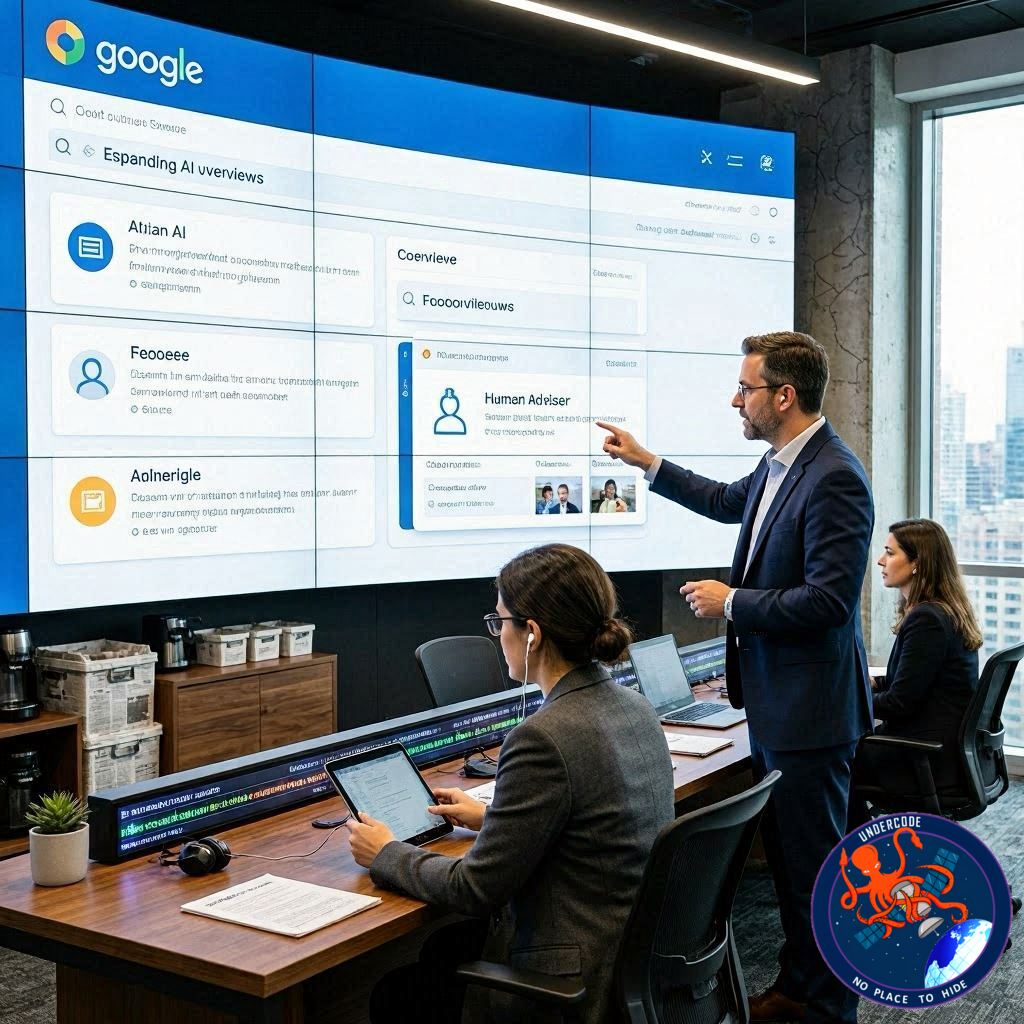
Google is reshaping the way people experience online search. Its AI Overviews feature, already one of the most discussed additions to Google Search in recent years, is now evolving into something more interactive, more transparent, and significantly more human-focused. Instead of simply presenting machine-generated summaries, Google now wants users to explore opinions, expert experiences, subscription-based journalism, and direct source references without leaving the search experience completely disconnected from the web itself.
This update comes at a critical moment. AI-generated answers have become popular because they save time and provide fast summaries. But users increasingly question whether these summaries are enough. People want verification. They want real voices. They want trusted journalism. Most importantly, they want context that AI alone often cannot provide. Google’s latest upgrades appear designed to address exactly those concerns.
Google AI Overviews Now Include Advice From Real People
One of the biggest additions to AI Overviews is the new “Expert Advice” section. This feature introduces comments, experiences, and recommendations from real individuals gathered from online discussions, forums, and social media conversations. Instead of relying only on AI-generated text, users can now immediately see how actual people approach the same issue.
Imagine searching for advice about feeding a cat with a sensitive stomach. Previously, Google’s AI Overview might summarize nutritional suggestions from websites. Now, it can also display comments from experienced cat owners who have faced the same challenge. Users can click directly into those discussions and explore longer conversations filled with practical insights and firsthand experiences.
This change signals a major philosophical shift. Google is acknowledging that lived experience matters just as much as algorithmic summaries. AI can explain concepts, but people often trust emotional and practical advice from others who have encountered similar problems.
Subscription-Based News Sources Get Better Visibility
Another major enhancement focuses on journalism and premium news content. Google now plans to surface links to users’ preferred or subscribed news outlets directly inside AI Overviews and AI Mode.
For readers who depend on trusted sources like ZDNET, this update could dramatically improve accessibility. Instead of forcing users to manually search for articles from their favorite publishers, Google will prioritize showing those subscriptions when relevant to the query.
The company claims early testing showed users were much more likely to click content clearly labeled as part of their subscriptions. That finding is important because publishers have been deeply concerned about AI summaries reducing website traffic. By integrating subscription visibility into AI results, Google appears to be attempting a compromise between AI convenience and publisher sustainability.
The update also gives publishers new tools through Google’s Subscription Linking system, allowing media companies to integrate their content more directly into AI-powered search experiences.
Source Links Will Appear Beside Relevant AI Text
Google is also tackling one of the most common criticisms surrounding AI-generated search summaries: lack of transparency.
Previously, AI Overviews often summarized information without clearly showing which source supported which specific statement. Users had to manually hunt for the origin of certain claims. That process created confusion and raised concerns about misinformation or hallucinated facts.
Now, Google says links will appear directly beside the corresponding sections of AI-generated text. If the overview discusses bike touring terrain in California, for example, the summary may immediately display a related touring guide or training article beside that statement.
This adjustment may sound small, but it fundamentally changes how users interact with AI-generated information. Instead of treating AI as a mysterious black box, Google is turning summaries into gateways toward the original web content.
That strategy may also help restore trust. AI answers become far more credible when users can instantly verify where information came from.
Google Wants Users to Explore More Sources Beyond AI
The company is also introducing a new recommendation section featuring additional websites and analyses related to the search topic. This means users will no longer be restricted to only the handful of sources directly used in the AI summary.
For instance, if someone researches urban green spaces, Google may provide links to architectural case studies, environmental reports, or city planning analyses beneath the AI Overview. These recommendations encourage deeper exploration instead of passive consumption.
This matters because one of the biggest fears surrounding AI search is that users may stop browsing the broader internet altogether. Google’s new system appears intentionally designed to avoid that outcome by pushing users toward wider discovery.
Rather than replacing the web, Google now seems eager to position AI as an entry point into it.
Website Previews Aim to Increase User Confidence
Google is also adding hover-based website previews within AI Overviews. Users will be able to preview linked websites before clicking them, seeing the page title and source information instantly.
This feature targets a surprisingly important behavioral problem: hesitation. Many users avoid clicking unfamiliar websites because they do not know what awaits them. Some fear spammy pages, irrelevant content, or low-quality information.
Quick previews could increase confidence and improve click-through rates for legitimate publishers and creators. It also creates a more fluid browsing experience where users can evaluate a source before fully committing to opening it.
Why Google Is Making These Changes Now
The timing of these updates is not accidental. Google faces growing pressure from several directions simultaneously.
AI competitors like OpenAI and Microsoft are aggressively redefining how users search for information. Meanwhile, publishers continue criticizing AI summaries for potentially reducing website traffic and weakening the economics of journalism.
At the same time, users themselves are becoming more skeptical about AI-generated content. People increasingly recognize that fast answers are not always complete answers. AI can summarize information beautifully while still missing nuance, expertise, emotion, or factual precision.
Google’s latest AI Overview enhancements look like a direct response to all those pressures. The company is trying to balance speed with transparency, convenience with discovery, and automation with authentic human input.
The Search Engine Is Becoming More Like a Research Assistant
These changes also reveal Google’s broader vision for the future of search. Traditional search engines simply listed links. AI search systems summarize information. But Google now appears to be moving toward something closer to a research assistant.
The platform wants to guide users through multiple layers of information:
AI summaries for speed
Human commentary for perspective
Subscription journalism for authority
Source links for verification
Additional resources for exploration
That structure creates a richer ecosystem than simple keyword search ever could.
However, this evolution also raises difficult questions. If AI increasingly decides which human opinions, forums, or publishers deserve visibility, Google’s influence over information discovery becomes even more powerful than before.
What Undercode Say:
Google’s newest AI Overview upgrade is not just a cosmetic improvement. It is a strategic survival move in the rapidly escalating AI search war.
For years, Google dominated search because it organized the internet better than anyone else. But generative AI changed user expectations overnight. Suddenly, people no longer wanted ten blue links. They wanted instant answers.
That shift created a dangerous paradox for Google. AI summaries satisfy users quickly, but they also reduce clicks to websites. Fewer clicks mean publishers lose traffic, creators lose visibility, and eventually the web ecosystem itself weakens. If websites stop benefiting from search traffic, fewer high-quality articles get produced. AI systems then lose reliable content to summarize in the future.
Google clearly understands this threat now.
The addition of human advice sections is especially revealing. AI companies have realized something important: users still trust humans emotionally more than algorithms. Machine summaries may sound intelligent, but people continue seeking validation from communities and real-world experiences.
This becomes even more critical in lifestyle categories such as health, travel, pets, photography, fitness, and personal finance. Users do not simply want technically correct information. They want reassurance from people who already lived through similar situations.
Another fascinating aspect is Google’s attempt to strengthen relationships with publishers. By highlighting subscription-based news outlets, the company is quietly signaling that journalism still matters inside the AI era.
That move could help reduce tension between tech companies and media organizations. Publishers fear becoming invisible behind AI-generated summaries. Google’s solution appears to be selective visibility and integration rather than outright replacement.
The direct citation feature may become the most impactful update of all. AI systems currently suffer from credibility problems because users cannot always trace statements back to their origin. By attaching links beside relevant text, Google is effectively rebuilding the chain of trust that traditional search naturally provided.
This could also pressure competing AI platforms to improve transparency standards. Users may begin demanding visible sourcing everywhere.
The website preview feature, while seemingly minor, reflects Google’s deep understanding of user psychology. Modern internet users are increasingly cautious. Spam, misleading headlines, fake reviews, and low-quality SEO content have damaged trust across the web. Previewing sites before clicking reduces uncertainty and creates a safer browsing experience.
Yet beneath all these improvements lies a deeper transformation.
Google Search is slowly becoming an AI-curated internet layer rather than a neutral search index. The company is deciding not only which websites rank highest, but also which conversations, human opinions, and expert voices become visible inside AI-generated experiences.
That level of influence introduces enormous responsibility.
If implemented responsibly, these upgrades could make search more useful, transparent, and human-centered than ever before. But if monetization, algorithmic bias, or AI manipulation dominate the process, users may eventually question whether they are discovering the internet, or simply consuming Google’s interpretation of it.
The future of search will likely depend on how well Google balances automation with openness.
Right now, this update suggests the company understands one critical truth: AI alone is not enough. People still want people.
📊 Prediction
🔮 Google’s AI Overviews will eventually evolve into fully interactive AI research hubs combining summaries, live discussions, video explanations, and personalized source recommendations.
📈 Publishers that adapt early to Google’s AI ecosystem may regain traffic advantages, especially those offering expert-driven or subscription-based content.
🤖 Competing AI search platforms will likely copy Google’s transparency features, especially direct source linking and human community integration, within the next year.
🔍 Fact Checker Results
✅ Google officially confirmed five new AI Overview enhancements, including source links, website previews, and community advice integration.
✅ The update does prioritize subscription-based news visibility for users connected to participating publishers.
❌ There is currently no evidence that these changes completely solve concerns about AI misinformation or declining publisher traffic.
▶️ Related Video (82% Match):
🕵️📝Let’s dive deep and fact‑check.
References:
Reported By: www.zdnet.com
Extra Source Hub (Possible Sources for article):
https://www.quora.com/topic/Technology
Wikipedia
OpenAi & Undercode AI
Image Source:
Unsplash
Undercode AI DI v2
Bing
🔐JOIN OUR CYBER WORLD [ CVE News • HackMonitor • UndercodeNews ]
📢 Follow UndercodeNews & Stay Tuned:
𝕏 formerly Twitter 🐦 | @ Threads | 🔗 Linkedin | 🦋BlueSky | 🐘Mastodon


