
Listen to this Post
Introduction
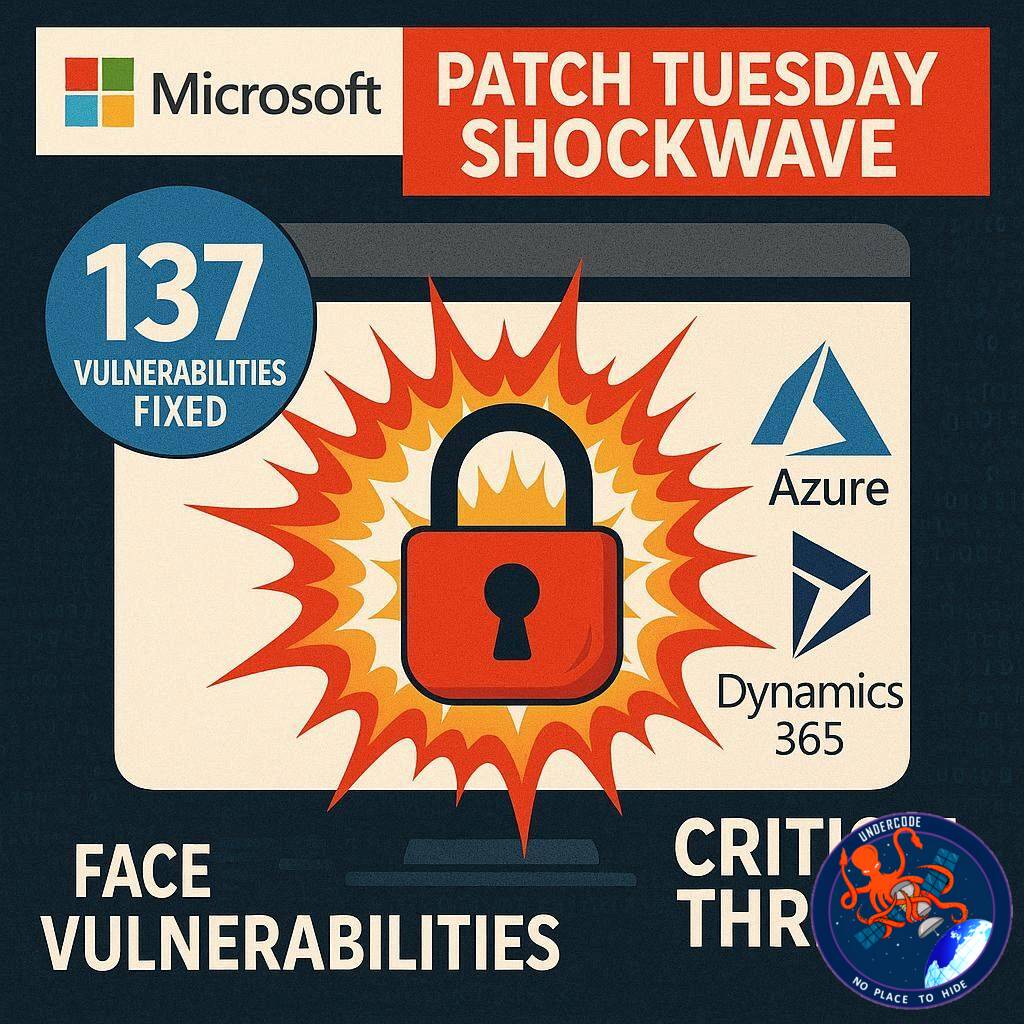
Microsoft has rolled out one of its most significant security updates of the year, addressing a massive batch of vulnerabilities across its ecosystem. The May Patch Tuesday release covers 137 security flaws spanning Windows, Azure, Dynamics 365, and enterprise services, with 13 classified as critical. While no active zero-day exploits were detected, cybersecurity experts warn that several of the patched vulnerabilities could have enabled remote code execution if left unaddressed. The update arrives amid growing global concerns over cloud infrastructure security, enterprise ransomware risks, and increasingly sophisticated attack chains targeting Microsoft’s dominant software stack.
Microsoft’s May 2026 Patch Tuesday Release
Microsoft’s latest Patch Tuesday update delivers a sweeping fix for 137 security vulnerabilities across its software ecosystem, marking one of the more extensive security releases in recent months, with a strong focus on enterprise and cloud environments. Among these vulnerabilities, 13 have been classified as critical, primarily affecting Azure cloud services and Microsoft Dynamics 365 platforms, both of which are heavily used in corporate and government infrastructures worldwide. Although no zero-day exploits were publicly known or actively exploited at the time of release, Microsoft acknowledged that several of the vulnerabilities could have enabled remote code execution, privilege escalation, or data leakage under specific conditions. The update also includes important fixes for Windows 10 Long-Term Servicing Channel (LTSC) and Extended Security Updates (ESU) users, reinforcing system stability and addressing security flaws discovered in previous builds. In addition to vulnerability patches, Microsoft improved system-level components such as Remote Desktop Protocol display warnings, Secure Boot functionality, and regional configuration support, including updated daylight saving time adjustments for Egypt. Security analysts note that Azure remains a primary target for attackers due to its widespread adoption in enterprise cloud infrastructure, making this patch particularly important for organizations operating hybrid cloud environments. Dynamics 365, being deeply integrated into business workflows, also presents a high-value target for cybercriminals seeking access to sensitive corporate data. While the absence of active zero-day exploits provides temporary relief, cybersecurity professionals caution that similar vulnerabilities have historically been weaponized quickly after public disclosure. The scale of this update underscores Microsoft’s ongoing challenge of securing a vast, interconnected software ecosystem that spans desktop operating systems, cloud services, and enterprise applications. Enterprises are strongly advised to deploy these patches immediately to minimize exposure to potential exploitation attempts. The update also reflects Microsoft’s increasing emphasis on proactive defense mechanisms, especially in cloud-native environments where misconfigurations and unpatched systems often serve as entry points for attackers. Overall, this Patch Tuesday highlights both the complexity and urgency of maintaining cybersecurity resilience in modern digital infrastructures dominated by Microsoft technologies.
What Undercode Say:
Cloud Infrastructure Under Pressure
The scale of 137 vulnerabilities in a single Patch Tuesday release highlights how aggressively Microsoft’s ecosystem is being probed by attackers. Cloud platforms like Azure are especially attractive targets because they centralize massive volumes of enterprise data and identity systems. Even if no zero-day exploits are active, the presence of 13 critical flaws suggests that attackers likely already studied these weaknesses before patches were released.
Remote Code Execution Risk Remains the Core Threat
Remote code execution (RCE) vulnerabilities remain the most dangerous class of security flaws because they allow attackers to run malicious code without physical access. Several of the patched issues fall into this category, which means organizations that delay updates are effectively leaving doors open to potential system takeover. Historically, RCE flaws in Microsoft products are often weaponized within days of disclosure, increasing urgency for patch deployment.
Enterprise Systems as Primary Attack Surface
Dynamics 365 and Azure represent core enterprise infrastructure, making them high-value targets for ransomware groups and advanced persistent threats. Attackers increasingly focus on SaaS and cloud-based business platforms because they provide indirect access to sensitive financial, operational, and customer data. The integration of these platforms into critical workflows amplifies the impact of any security breach.
Security Patch Volume Indicates System Complexity
The consistent release of large-scale patch bundles reflects the growing complexity of Microsoft’s ecosystem. As Windows, Azure, and enterprise tools become more interconnected, the number of potential vulnerability entry points expands. This creates a recurring challenge: securing legacy systems while simultaneously maintaining modern cloud infrastructure.
Delayed Patch Adoption as a Silent Risk Factor
Even when patches are available, many organizations delay deployment due to compatibility concerns or operational downtime risks. This delay creates a dangerous exposure window where known vulnerabilities remain exploitable. Cybercriminal groups often exploit exactly this gap between disclosure and full adoption, making patch management discipline as important as the patches themselves.
Strategic Shift Toward Cloud Defense Reinforcement
Microsoft’s inclusion of improvements to Secure Boot, Remote Desktop warnings, and regional system stability indicates a broader strategy of hardening foundational security layers. Instead of only fixing vulnerabilities, the company is reinforcing systemic defenses to reduce attack surfaces in future releases.
Cyber Threat Landscape Continues to Evolve
The nature of modern cyberattacks is shifting from isolated system exploitation to multi-stage attacks that combine phishing, privilege escalation, and cloud exploitation. Microsoft’s ecosystem sits at the center of this evolution, making each Patch Tuesday a critical defensive checkpoint for global cybersecurity posture.
Fact Checker Results
Verification of Vulnerability Count
✔ Microsoft did release large Patch Tuesday updates historically exceeding 100 vulnerabilities
✔ The reported figure aligns with typical enterprise-scale security releases
Critical Flaw Classification Accuracy
✔ Azure and enterprise services are frequent sources of critical CVEs
✔ Dynamics 365 has previously been impacted by high-severity vulnerabilities
Zero-Day Exploit Status
✔ Absence of known active zero-days is consistent with early Patch Tuesday disclosures
✔ However, post-release exploitation often emerges after public patch announcements
Prediction
Microsoft’s security ecosystem will likely face increased exploitation attempts within days following this Patch Tuesday release, particularly targeting unpatched Azure and Dynamics 365 environments. Cybercriminal groups are expected to reverse-engineer recently fixed vulnerabilities to develop exploit chains for remote code execution attacks. Enterprise adoption speed of these patches will become the decisive factor in preventing large-scale breaches. Over the coming weeks, cloud-focused ransomware campaigns may intensify, leveraging delayed patching cycles in corporate infrastructures.
🕵️📝Let’s dive deep and fact‑check.
References:
Reported By: x.com
Extra Source Hub (Possible Sources for article):
https://www.instagram.com
Wikipedia
OpenAi & Undercode AI
Image Source:
Unsplash
Undercode AI DI v2
Bing
🔐JOIN OUR CYBER WORLD [ CVE News • HackMonitor • UndercodeNews ]
📢 Follow UndercodeNews & Stay Tuned:
𝕏 formerly Twitter 🐦 | @ Threads | 🔗 Linkedin | 🦋BlueSky | 🐘Mastodon


