
Listen to this Post
Introduction to the Growing Threat
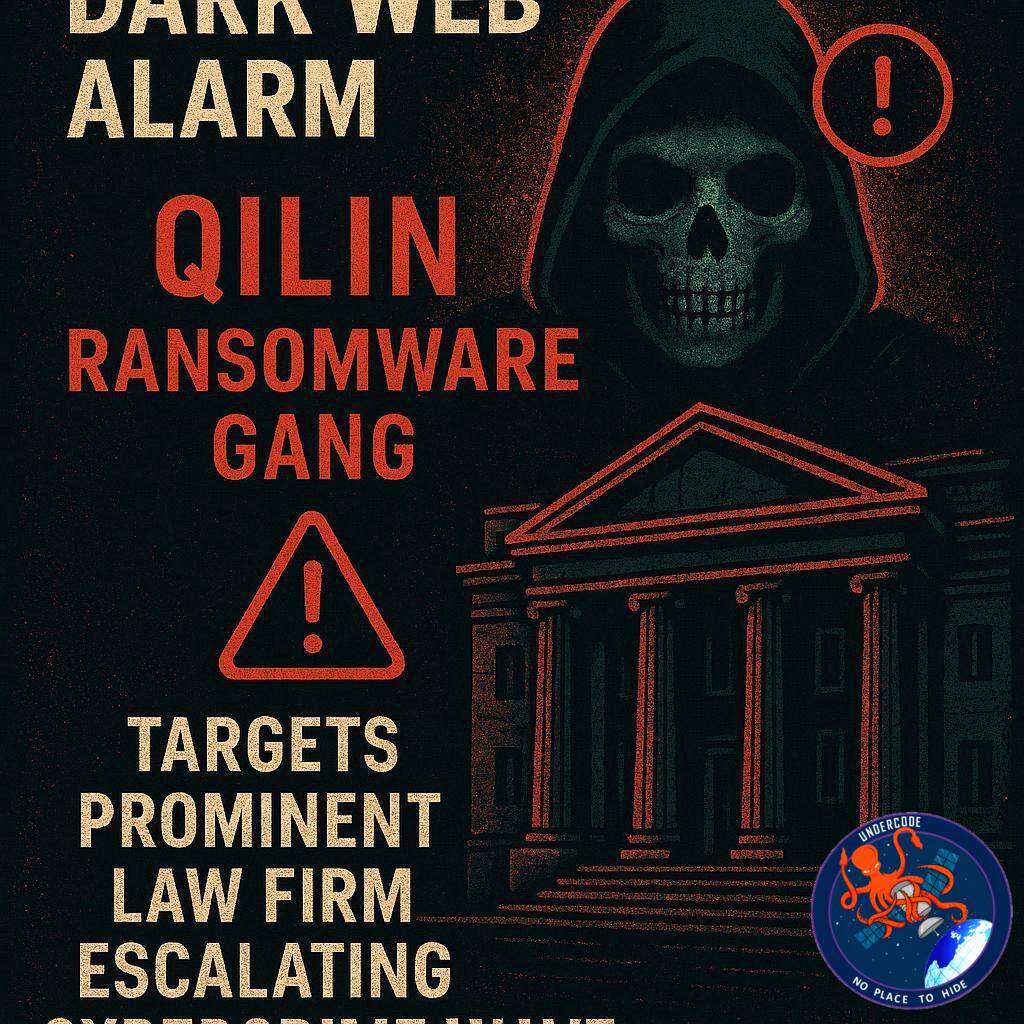
The cybercrime underground has once again placed the legal industry in its crosshairs. A recent alert shared by the ThreatMon Threat Intelligence Team revealed that the notorious Qilin ransomware group allegedly added “John G Yphantides A Professional Law” to its growing list of victims. The disclosure surfaced through dark web monitoring activity, sparking concerns about the increasing frequency of ransomware attacks against law firms and organizations handling highly sensitive client information.
The report emerged on May 14, 2026, alongside another cybersecurity warning involving the KillSec ransomware operation, which allegedly targeted dsdlawfirm.com only hours later. These back-to-back incidents suggest that legal institutions are rapidly becoming prime targets for financially motivated cybercriminal groups seeking confidential legal documents, financial records, and private communications.
Qilin Ransomware Group Expands Its Victim List
The Qilin ransomware syndicate has built a dangerous reputation within the cybercrime ecosystem. Known for sophisticated extortion tactics, the group frequently publishes victim names on dark web leak portals after breaching systems and allegedly stealing sensitive data. According to the ThreatMon intelligence update, the law office associated with John G Yphantides was added to the gang’s victim page on May 13, 2026.
While the exact scope of the alleged breach remains unclear, ransomware groups typically use a double-extortion model. This means attackers not only encrypt company systems but also threaten to publicly release stolen files unless a ransom payment is made. For law firms, this can create devastating consequences because of the confidential nature of legal records and attorney-client communications.
The timing of the disclosure also reflects a broader surge in ransomware operations targeting professional services. Law firms, accounting firms, and consulting agencies have become increasingly attractive to hackers because they often possess large amounts of privileged information while lacking enterprise-level cybersecurity defenses.
Another Law Firm Reportedly Targeted by KillSec
Only a few hours after the Qilin disclosure, another ransomware group known as KillSec reportedly listed dsdlawfirm.com as a victim. The rapid succession of announcements has fueled speculation that legal institutions are currently under coordinated pressure from multiple cybercriminal organizations.
Threat intelligence experts frequently monitor dark web leak sites where ransomware gangs post victim announcements. These postings are often intended to pressure companies into negotiations by exposing their names publicly before leaked files are released.
Although there is still no official confirmation from the affected organizations regarding the nature of the alleged attacks, cybersecurity analysts warn that the legal sector is experiencing a major escalation in threat activity during 2026.
Why Law Firms Are Attractive Targets for Ransomware Groups
Law firms possess some of the most valuable digital assets in the business world. Client contracts, litigation records, merger agreements, intellectual property files, and financial disputes can all become leverage for ransomware gangs.
Hackers understand that many law firms cannot afford operational downtime or reputational damage. Even a brief disruption can delay court proceedings, expose client secrets, and damage professional credibility. This urgency often increases the likelihood of ransom negotiations.
Additionally, smaller and mid-sized legal offices may rely on outdated IT infrastructure or limited cybersecurity staffing, making them softer targets compared to heavily fortified financial institutions or government agencies.
Cybercriminal groups have evolved significantly in recent years. Modern ransomware operators now function like organized businesses, complete with affiliate programs, customer-service style negotiation teams, and sophisticated phishing campaigns designed to infiltrate networks silently.
Dark Web Leak Sites Continue to Grow
The dark web has become a central battleground in modern cyber warfare. Ransomware gangs increasingly use leak portals as psychological weapons, publicly naming victims to intensify pressure campaigns.
Groups like Qilin and KillSec often exploit the fear of reputational harm more than technical damage itself. Once an organization’s name appears on these platforms, clients and partners may begin questioning whether sensitive information has been compromised.
Threat intelligence firms such as ThreatMon monitor these hidden networks to identify emerging attacks before stolen data spreads further online. Their alerts are widely followed by cybersecurity researchers, journalists, and corporate security teams seeking early warnings about potential breaches.
The visibility of these leak announcements also highlights how ransomware has transformed from isolated criminal incidents into a highly publicized global extortion industry.
What Undercode Says:
The Legal Industry Is Becoming a Cybersecurity Battlefield
The alleged targeting of multiple law firms within hours reveals a troubling trend that cannot be ignored. Cybercriminal groups are no longer focusing exclusively on massive corporations or government agencies. Instead, they are increasingly attacking organizations that hold strategic information but may lack elite cybersecurity infrastructure.
Law firms are uniquely vulnerable because they manage confidential disputes, sensitive negotiations, intellectual property documentation, and high-profile client data. A successful ransomware intrusion into a legal office could expose everything from corporate merger plans to private lawsuits and financial records.
Reputation Damage May Be More Valuable Than the Ransom
Modern ransomware attacks are no longer just about encrypting files. The real weapon is public humiliation. Dark web leak sites are designed to create fear, panic, and reputational damage before negotiations even begin.
For legal professionals, public trust is everything. Clients expect absolute confidentiality. Once a law firm’s name appears on a ransomware leak portal, the psychological impact alone can trigger client anxiety, media scrutiny, and potential legal complications.
Cybercriminal groups understand this pressure. That is why legal institutions are increasingly attractive targets. Attackers know that law firms may feel compelled to resolve incidents quickly to minimize exposure.
Cybersecurity Weaknesses in Mid-Sized Firms Are a Growing Concern
Large multinational firms usually maintain advanced security operations centers and dedicated incident response teams. Smaller firms often do not have those resources.
Many legal offices still depend on aging infrastructure, weak password practices, insufficient employee training, or outdated remote access systems. Even one compromised email account can become an entry point for ransomware deployment.
Threat actors are also exploiting human behavior more effectively than ever before. Sophisticated phishing emails now imitate legal notices, client communications, and court-related documentation with alarming realism.
Ransomware Groups Are Operating Like Professional Enterprises
The ransomware ecosystem has evolved into a mature criminal economy. Groups such as Qilin are not random hackers operating from isolated basements. Many function like decentralized businesses with developers, negotiators, affiliates, and technical support systems.
This industrialization of cybercrime means attacks are becoming faster, more scalable, and more aggressive. Some ransomware gangs now specialize in particular sectors, targeting industries where downtime creates maximum financial pressure.
The legal industry perfectly fits that model.
Public Leak Announcements Increase Negotiation Pressure
The strategy of publicly naming victims before confirming data leaks creates enormous psychological leverage. Even without verified evidence of stolen files, organizations may feel pressured to negotiate simply to avoid reputational escalation.
This tactic also generates media coverage, which indirectly amplifies the ransomware gang’s influence. Each publicized incident reinforces the attackers’ reputation within underground criminal circles.
The visibility of these attacks may encourage copycat operations, especially if threat actors perceive the legal sector as underprotected.
Threat Intelligence Platforms Are Becoming Essential
The role of threat intelligence monitoring has become critically important in modern cybersecurity defense. Companies like ThreatMon help organizations identify potential exposures early by tracking ransomware leak sites, command-and-control servers, and underground forums.
Without this type of monitoring, many companies may not discover they were listed publicly until stolen data begins circulating online.
Early detection can significantly improve incident response timelines and help organizations prepare legal, technical, and public relations strategies before a situation escalates.
The Human Factor Remains the Weakest Link
Despite technological advancements, human error continues to drive many ransomware intrusions. Employees who unknowingly click malicious attachments or reuse compromised passwords often create openings for attackers.
Law firms, where employees constantly exchange documents and email attachments, face heightened exposure to phishing-based attacks. Training staff to recognize suspicious communications is no longer optional; it is becoming essential for survival.
Regulatory Pressure Could Intensify
Governments worldwide are increasing scrutiny over data protection and breach disclosure practices. If ransomware attacks against legal institutions continue rising, regulators may introduce stricter cybersecurity requirements for firms handling sensitive client information.
Future compliance standards could include mandatory breach reporting timelines, minimum cybersecurity frameworks, and financial penalties for inadequate protections.
Insurance Providers May Tighten Requirements
Cyber insurance companies are also reacting aggressively to the ransomware epidemic. Many insurers have already increased premiums or reduced coverage for organizations lacking strong security controls.
Law firms may soon face higher operational costs if they cannot demonstrate robust cybersecurity defenses and incident response capabilities.
The Psychological Impact of Ransomware Is Often Overlooked
Beyond technical disruption, ransomware incidents can create long-term emotional and operational stress within organizations. Employees may fear blame, leadership teams may face client distrust, and firms can struggle to rebuild confidence after public exposure.
This psychological dimension is one reason ransomware remains so effective despite years of public awareness campaigns.
🔍 Fact Checker Results
✅ Verified Threat Intelligence Alert
ThreatMon publicly reported that the Qilin ransomware group allegedly added “John G Yphantides A Professional Law” to its victim listings on May 14, 2026.
✅ Multiple Law-Related Targets Were Mentioned
A separate post referencing the KillSec ransomware group and dsdlawfirm.com appeared shortly after the Qilin disclosure, suggesting a broader targeting pattern involving legal organizations.
❌ No Confirmed Data Leak Yet
As of now, there is no publicly verified confirmation that sensitive files from the alleged victims have been released or that negotiations occurred.
📊 Prediction
Ransomware Attacks Against Law Firms Could Surge Further in 2026
The legal industry is likely entering a period of intensified cyber targeting. As ransomware gangs continue refining extortion tactics, law firms may experience a dramatic increase in phishing campaigns, credential theft attempts, and dark web exposure threats.
Cybercriminals are expected to focus increasingly on industries where confidentiality is critical and operational disruption carries immediate financial consequences. Legal institutions fit that profile perfectly.
Over the coming months, more firms may invest heavily in threat intelligence monitoring, endpoint protection, employee cybersecurity training, and incident response planning as the ransomware landscape becomes even more aggressive and organized.
🕵️📝Let’s dive deep and fact‑check.
References:
Reported By: x.com
Extra Source Hub (Possible Sources for article):
https://www.discord.com
Wikipedia
OpenAi & Undercode AI
Image Source:
Unsplash
Undercode AI DI v2
Bing
🔐JOIN OUR CYBER WORLD [ CVE News • HackMonitor • UndercodeNews ]
📢 Follow UndercodeNews & Stay Tuned:
𝕏 formerly Twitter 🐦 | @ Threads | 🔗 Linkedin | 🦋BlueSky | 🐘Mastodon


