
Listen to this Post
A Heartwarming Conservation Milestone in the UK
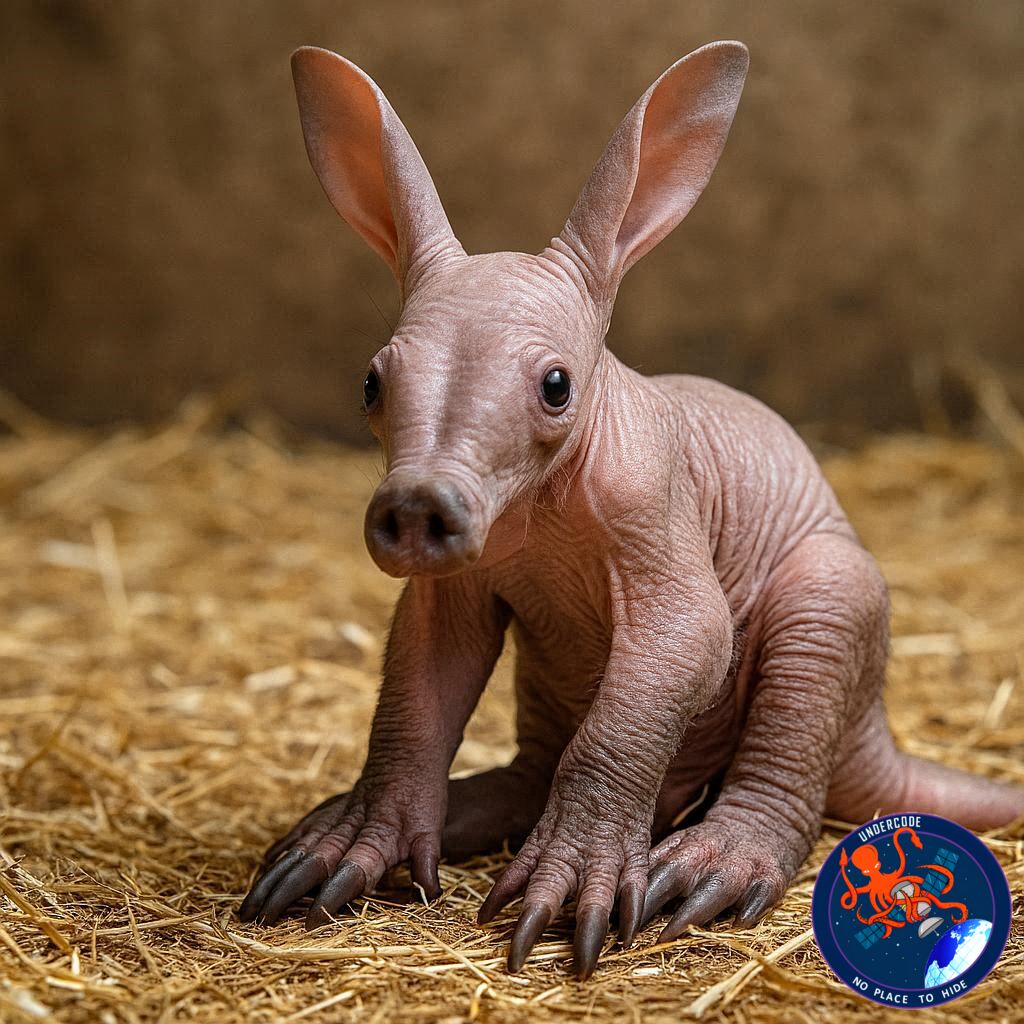
A rare baby aardvark named Womble has become the newest attraction at Chester Zoo after being born in what experts are calling a highly significant conservation event. The birth marks only the second successful aardvark birth in the zoo’s entire 94-year history, making the tiny mammal an important symbol for wildlife preservation efforts across Europe.
The newborn is currently being hand-fed and closely monitored by dedicated keepers after requiring additional care during the first stages of life. Videos released by the zoo show the small aardvark receiving round-the-clock attention, instantly drawing admiration from animal lovers online.
Aardvarks are naturally elusive nocturnal mammals native to sub-Saharan Africa, making successful zoo breeding programs both difficult and uncommon. Their unusual biology, specialized diets, and sensitive nature make them one of the more challenging species to manage in captivity. Because of this, the birth of Womble is being celebrated not just as a cute viral moment, but also as a meaningful scientific and conservation achievement.
Zoo staff explained that the young aardvark is healthy and responding positively to care. Since aardvark calves are extremely vulnerable during their early weeks, the keepers have taken a hands-on approach to ensure Womble receives proper nutrition and warmth. Images and footage from the facility reveal the calf wrapped carefully in blankets while staff bottle-feed it several times per day.
The story quickly gained international attention after news networks and wildlife enthusiasts began sharing clips of the rare animal online. Many viewers were fascinated by the aardvark’s appearance, with its long snout, oversized ears, and wrinkled skin giving it an almost prehistoric look. Others praised the dedication of the zoo staff responsible for keeping the newborn alive and healthy.
The birth also shines a spotlight on the broader role modern zoos now play in conservation. Facilities like Chester Zoo are increasingly focused on breeding endangered or difficult-to-maintain species while educating the public about biodiversity and habitat loss. While aardvarks are not currently classified as critically endangered, habitat destruction and environmental pressures continue to affect populations in parts of Africa.
According to caretakers, Womble’s development will be carefully documented over the coming months. The zoo hopes the young aardvark will eventually help educate visitors about lesser-known African wildlife species that rarely receive global attention compared to elephants, lions, or giraffes.
The announcement appeared alongside various other global news stories and viral clips circulating online, but Womble’s debut quickly stood out as one of the most wholesome and emotionally engaging moments of the day. In an online environment often dominated by political tension and global conflict, the rare birth offered viewers a lighter and more hopeful story centered on wildlife and conservation success.
What Undercode Says:
Why This Birth Matters Beyond the Viral Headlines
The birth of Womble may look like a simple “cute animal story” on the surface, but it actually reveals several important realities about wildlife conservation in 2026. Successful aardvark births in captivity are extremely rare because the species has highly specialized needs that are difficult to replicate outside its natural habitat. This makes every healthy birth scientifically valuable.
Modern zoos are increasingly transforming from entertainment venues into conservation laboratories. Institutions like Chester Zoo invest heavily in veterinary science, nutrition research, behavioral monitoring, and habitat simulation. Womble’s survival is therefore not accidental — it is the result of years of accumulated expertise and animal care research.
The attention surrounding the aardvark also demonstrates how social media can positively influence conservation awareness. Millions of users who might never normally read about biodiversity or African ecosystems are suddenly learning about aardvarks because of viral clips and emotional storytelling. Cute animals continue to be one of the internet’s strongest engagement drivers, and conservation organizations know this very well.
Another interesting aspect is the growing importance of genetic diversity management in zoo populations. Rare births like this help maintain healthy captive populations and may contribute to future international breeding programs. In species with limited numbers in captivity, every successful birth becomes strategically important.
There is also a broader cultural factor at play. Audiences in 2026 are increasingly drawn toward optimistic stories amid constant exposure to political disputes, wars, economic instability, and technological anxiety. Viral wildlife moments offer emotional relief while still carrying educational value. Womble became popular not only because he is rare, but because people are actively searching for hopeful content.
From a scientific standpoint, aardvarks remain relatively understudied compared to larger African mammals. Each captive birth gives zoologists opportunities to better understand neonatal care, developmental behavior, feeding patterns, and disease prevention in the species. The data collected during Womble’s first months could contribute to future veterinary improvements worldwide.
The story also indirectly highlights a challenge facing conservation organizations: funding. Viral animal success stories often lead to increased visitor numbers, donations, sponsorships, and public engagement. In today’s media landscape, emotionally powerful animal narratives can significantly strengthen institutional support.
Critics of zoos still raise ethical concerns regarding animals living in captivity, and those debates remain active globally. However, supporters argue that accredited conservation-focused zoos now play a crucial role in preserving species, conducting research, and educating future generations about ecological responsibility.
Womble’s popularity may also encourage younger audiences to develop interest in zoology, veterinary science, and environmental protection. Historically, many wildlife researchers first became inspired through memorable encounters with unusual animals during childhood.
Another factor worth noting is how rare species suddenly gain mainstream attention when presented visually through modern media. Aardvarks have existed for millions of years, yet many people had never seen one before this story emerged online. Viral distribution changes public visibility for obscure species almost instantly.
There is also an educational opportunity hidden inside the coverage. Many people mistakenly assume conservation only applies to endangered “celebrity animals” like pandas or tigers. Stories like this remind the public that ecosystem diversity includes lesser-known creatures that are equally important in nature.
If Womble continues to thrive, the calf could eventually become one of Chester Zoo’s most recognized ambassador animals. That visibility could translate into broader awareness campaigns related to African ecosystems, nocturnal wildlife, and biodiversity preservation.
Ultimately, this story represents more than a baby animal video. It reflects the intersection of conservation science, digital media culture, emotional storytelling, and public fascination with rare wildlife. In a world saturated with alarming headlines, Womble became a reminder that scientific progress and successful conservation efforts still happen quietly every day.
🔍 Fact Checker Results
✅ Chester Zoo confirmed the birth of the aardvark calf named Womble.
✅ The zoo stated this is only the second aardvark birth in its 94-year history.
✅ Reports and released footage show keepers hand-feeding the newborn during early care stages.
📊 Prediction
Womble will likely become a major viral conservation symbol for Chester Zoo over the next several months. Increased online attention could boost visitor interest, educational campaigns, and donations tied to wildlife preservation initiatives. The success of this birth may also encourage expanded international breeding collaborations focused on rare or difficult-to-manage species in captivity.
🕵️📝Let’s dive deep and fact‑check.
References:
Reported By: www.euronews.com
Extra Source Hub (Possible Sources for article):
https://www.quora.com/topic/Technology
Wikipedia
OpenAi & Undercode AI
Image Source:
Unsplash
Undercode AI DI v2
Bing
🔐JOIN OUR CYBER WORLD [ CVE News • HackMonitor • UndercodeNews ]
📢 Follow UndercodeNews & Stay Tuned:
𝕏 formerly Twitter 🐦 | @ Threads | 🔗 Linkedin | 🦋BlueSky | 🐘Mastodon | 📺Youtube


