
Listen to this Post
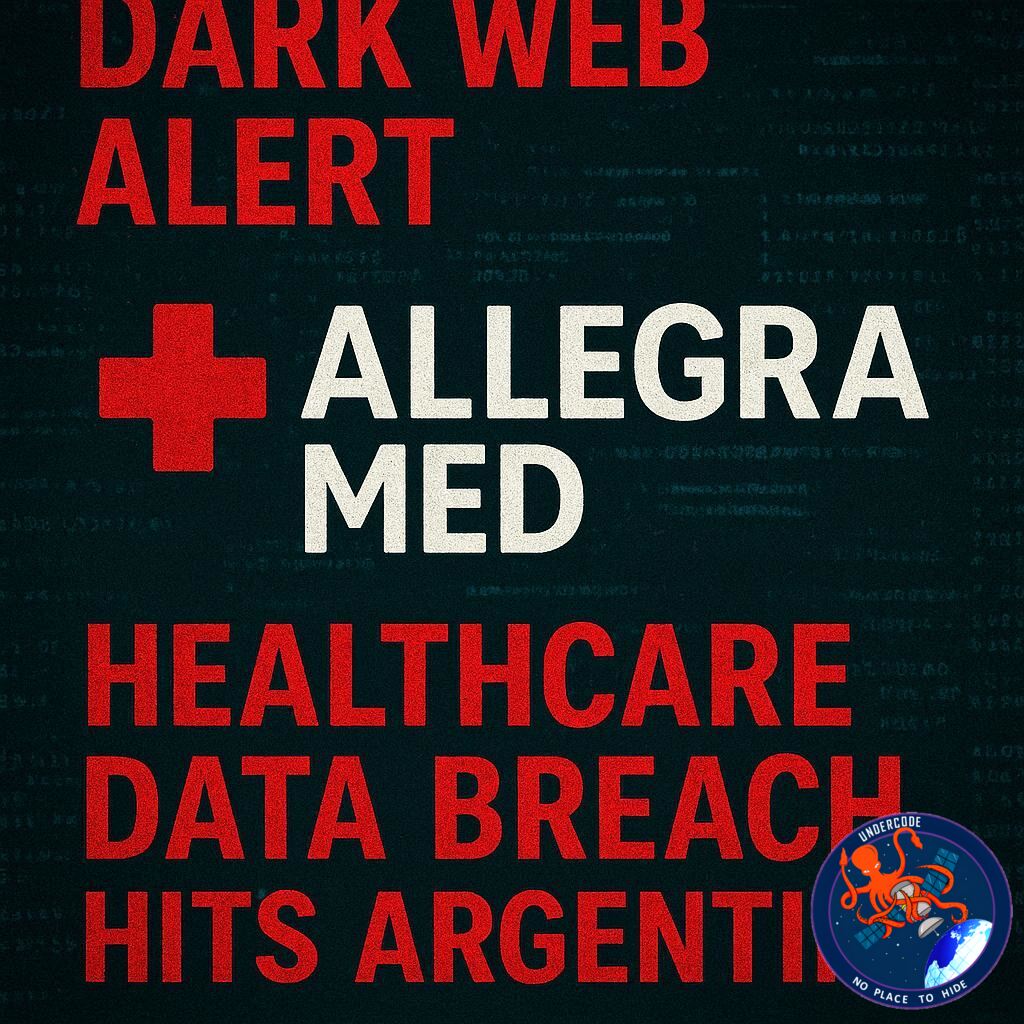
A significant cyber incident has reportedly targeted Alegramed, a major healthcare provider in Argentina. Information circulating on the dark web suggests that sensitive patient and operational data may have been exposed, raising alarm about the potential ramifications for patient privacy and institutional security. As digital threats grow increasingly sophisticated, healthcare systems worldwide face mounting pressure to protect sensitive information from malicious actors operating in the shadows.
the Incident
According to Dark Web Intelligence reports, Alegramed in Argentina has become the latest victim of a cyberattack. While precise details remain limited, leaked posts on underground forums hint at the compromise of patient records, internal communications, and potentially financial data. The breach underscores the persistent risks facing healthcare institutions, which are attractive targets due to the wealth of personal and medical information they store.
The incident appears to have been discovered recently, with early reports surfacing on May 20, 2026. Experts monitoring dark web activity indicate that stolen datasets are already being circulated among cybercriminal networks. Alegramed has yet to release a full official statement detailing the scope of the breach, but historical patterns suggest that such attacks can lead to ransom demands, black-market sales of sensitive data, or long-term exposure risks for affected individuals.
Cybersecurity analysts emphasize that healthcare organizations often struggle with outdated IT infrastructure, limited security budgets, and fragmented data storage systems. These vulnerabilities make them prime targets for ransomware operators and data thieves. Moreover, breaches in the healthcare sector carry not only financial repercussions but also serious ethical and legal implications due to the sensitivity of patient information.
Given Argentina’s growing digital healthcare landscape, the Alegramed breach may serve as a wake-up call for institutions nationwide to strengthen cybersecurity measures, enforce stricter access controls, and invest in comprehensive incident response strategies.
What Undercode Says:
The Alegramed data breach highlights systemic weaknesses in Argentina’s healthcare cybersecurity framework. While Alegramed is a significant provider, it is not unique in its susceptibility; many healthcare entities in Latin America operate under fragmented IT governance models, making coordinated cybersecurity defenses challenging. The presence of this breach on dark web forums signals that attackers are becoming more strategic, monetizing stolen medical data efficiently through resale and ransomware extortion.
The attack also illustrates a broader trend: healthcare information, which includes personal identifiers, treatment histories, and billing data, is increasingly valuable on underground markets. Unlike financial data, medical records are harder to change, giving cybercriminals long-term leverage over victims. This incident may also amplify regulatory scrutiny in Argentina, pushing for stricter compliance measures similar to HIPAA in the U.S. or GDPR in Europe.
Alegramed’s response timeline will be critical. Rapid containment, thorough audits, and transparent communication with patients can help mitigate reputational damage and reduce potential fines or legal liability. Conversely, delayed action could exacerbate public distrust, impacting both patient loyalty and market positioning.
Technically, this breach suggests possible weaknesses in cloud storage configurations, network segmentation, or endpoint protection. Organizations often underestimate internal vulnerabilities, such as privileged account abuse or outdated software patches, which attackers exploit to gain entry. Moving forward, proactive threat intelligence integration and simulated breach exercises may become essential practices for hospitals and clinics alike.
Finally, the dark web chatter around Alegramed emphasizes the growing ecosystem of cybercrime where healthcare data is treated as currency. Stakeholders must recognize that digital risk management is no longer optional but integral to operational resilience. For policymakers, healthcare leaders, and IT teams, the lesson is clear: investment in cybersecurity is an investment in patient trust.
Fact Checker Results ✅❌
No official confirmation from Alegramed yet — information is currently based on dark web reports. ✅
Potential exposure includes sensitive patient and operational data — plausible but unverified. ✅
Likely financial or ethical impact on patients — highly probable given industry patterns. ✅
Prediction 📊
If proactive measures are not swiftly implemented, similar breaches may emerge across Argentina’s healthcare sector. Expect a rise in ransomware targeting hospitals, with dark web marketplaces expanding their healthcare data offerings. Alegramed may issue regulatory reports in the coming weeks, and patient notification campaigns could follow. Globally, this breach may trigger renewed discussions on cross-border healthcare cybersecurity standards, highlighting the urgent need for Latin American nations to adopt stricter cyber resilience frameworks.
If you want, I can also
create a visual map of how the Alegramed data could circulate on the dark web, showing potential impact paths. This would make the article even more engaging for readers. Do you want me to do that next?
🕵️📝Let’s dive deep and fact‑check.
References:
Reported By: x.com
Extra Source Hub (Possible Sources for article):
https://www.github.com
Wikipedia
OpenAi & Undercode AI
Image Source:
Unsplash
Undercode AI DI v2
Bing
🔐JOIN OUR CYBER WORLD [ CVE News • HackMonitor • UndercodeNews ]
📢 Follow UndercodeNews & Stay Tuned:
𝕏 formerly Twitter 🐦 | @ Threads | 🔗 Linkedin | 🦋BlueSky | 🐘Mastodon | 📺Youtube


