
Listen to this Post
Introduction
Nigeria’s telecommunications sector continues to play a central role in economic growth, digital transformation, and technological innovation. As mobile connectivity, internet access, and digital services become increasingly important, the industry faces growing operational and security challenges that could threaten its stability. To address these concerns, the Nigerian Communications Commission (NCC) is strengthening collaboration with telecom operators and technology stakeholders to identify risks, improve resilience, and ensure sustainable growth across the sector.
The move highlights the importance of proactive planning in an industry where cybersecurity threats, infrastructure challenges, regulatory demands, and market disruptions continue to evolve rapidly. By encouraging cooperation among stakeholders, the NCC aims to create a more reliable and future-ready telecommunications ecosystem for Nigeria.
NCC Calls for Stronger Collaboration in Telecom Risk Management
The Nigerian Communications Commission (NCC) has urged telecommunications operators and digital technology stakeholders to develop stronger strategies aimed at managing emerging risks affecting the industry. The initiative forms part of broader efforts to improve reliability, sustainability, and long-term development within Nigeria’s telecommunications ecosystem.
The Executive Vice Chairman of NCC, Professor Umar Danbatta, emphasized that identifying potential threats and building effective response mechanisms are critical to ensuring that the telecom sector remains resilient amid global economic uncertainties and technological transformation.
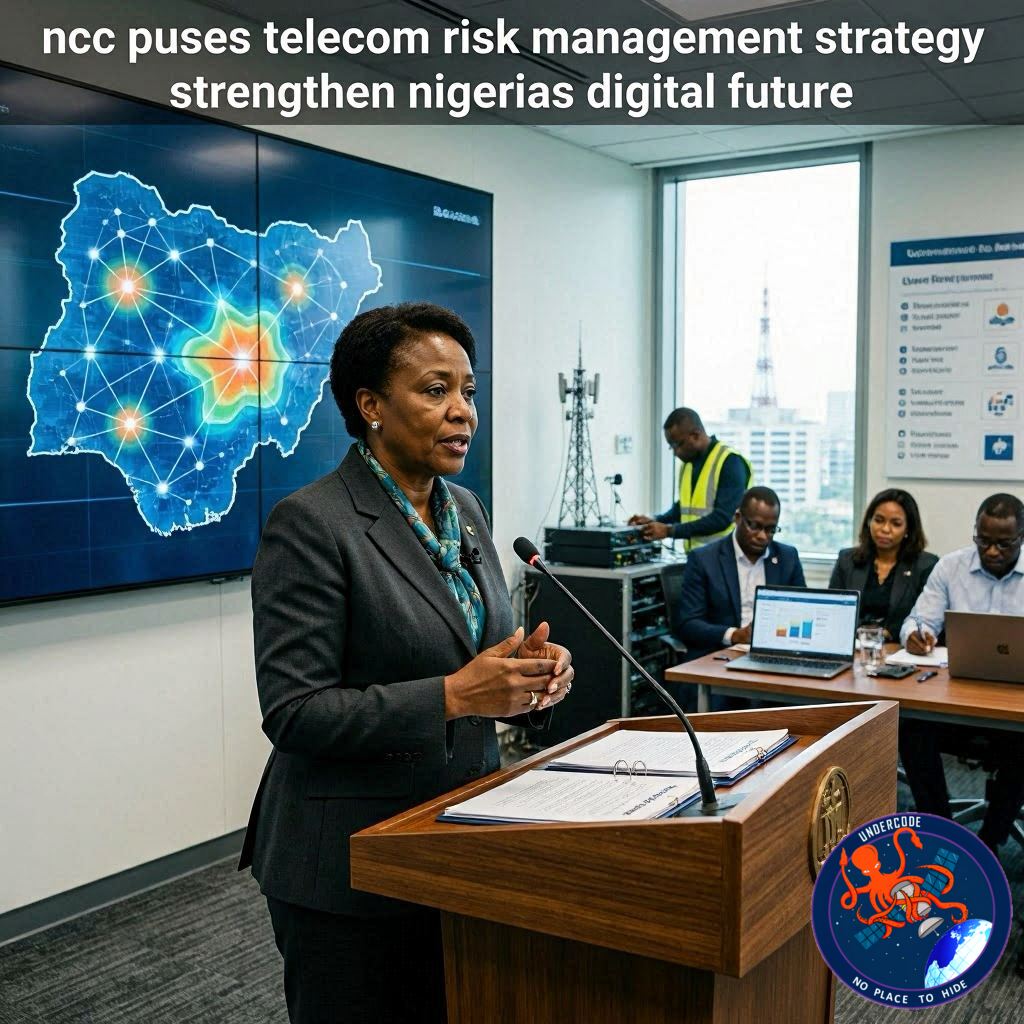
To advance this objective, the NCC organized a two-day conference at its headquarters in Abuja. The event focused on discussing major risks affecting the telecommunications landscape and exploring practical solutions to mitigate them.
The conference carried the theme, “Nigerian Telecommunications Industry: Managing the Emerging Risks and Embracing Risk Opportunities.” Industry leaders, regulators, and stakeholders gathered to evaluate current challenges while identifying opportunities that can strengthen Nigeria’s digital future.
Professor Danbatta stressed that telecom operators must adopt stronger research initiatives and strategic planning to minimize industry disruptions and sustain service quality for consumers.
He highlighted that the telecommunications industry operates in an environment filled with both business and technological uncertainties. According to him, managing these risks effectively creates an advantage that supports sector stability and consumer confidence.
Digital Economy Policy Under Review
A major point raised during the conference involved examining the implementation progress of Nigeria’s National Digital Economy Policy and Strategy (NDEPS) 2020-2030.
Danbatta explained that changing economic realities require ongoing assessments of digital policies to ensure they remain effective. The telecommunications sector faces evolving operational challenges, including stricter data security regulations, new business partnerships, changing market dynamics, and growing infrastructure investment costs.
He also pointed to disruption scenarios created by rapid technological advancement, regulatory shifts, and evolving business models that continue reshaping the industry.
The NCC believes the National Digital Economy Policy remains an essential framework for unlocking opportunities within Nigeria’s digital ecosystem. By leveraging technology more effectively, government institutions and private organizations can accelerate national development across multiple sectors.
Key Risks Threatening Nigeria’s Telecom Industry
Professor Danbatta identified several major threats currently affecting telecommunications growth and sustainability.
Cybersecurity risks remain among the most pressing concerns. As digital adoption increases, cyberattacks and online fraud continue becoming more sophisticated, requiring stronger protection mechanisms.
Regulatory burdens and policy complexities also create challenges for telecom operators. Navigating compliance requirements while maintaining operational efficiency demands continuous adjustment from industry players.
Multiple taxation issues have also emerged as a concern within the sector, creating financial pressure on operators already managing significant infrastructure investments.
Infrastructure vandalism presents another major challenge. Damage to telecommunications equipment can lead to service disruptions, affecting businesses and consumers alike.
Right-of-way challenges continue slowing infrastructure deployment across various regions, limiting expansion efforts and delaying connectivity improvements.
Foreign exchange access issues, combined with inter-industry debt concerns, further complicate business operations within Nigeria’s telecommunications landscape.
To combat these issues, the NCC stated that it is working closely with government institutions and relevant agencies to develop long-term solutions capable of protecting industry stability.
Consumer Experience Remains Central
Beyond infrastructure and regulation, the NCC emphasized the importance of ensuring consumers continue receiving reliable and modern telecommunications services.
Reducing regulatory risks and minimizing operational disruptions remain critical priorities. The commission believes stronger coordination between regulators and telecom operators will help ensure Nigerian consumers benefit from globally competitive digital services.
Industry resilience increasingly depends not only on technological capability but also on strategic planning, investment readiness, and cross-sector cooperation.
What Undercode Say:
Nigeria’s telecommunications industry reflects challenges seen across many emerging digital economies worldwide. Rapid digital growth often creates a gap between infrastructure expansion and risk preparedness. The NCC’s initiative demonstrates awareness that technological advancement alone is not enough. Governance, security frameworks, and operational resilience matter equally.
Cybersecurity deserves particular attention. Telecom networks form the backbone of digital economies. Banking systems, healthcare platforms, e-commerce operations, education services, and government systems increasingly rely on stable telecommunications infrastructure. Weaknesses in telecom security can trigger broader economic consequences.
The mention of infrastructure vandalism reveals a frequently overlooked issue. Building digital infrastructure is expensive, but protecting that infrastructure often becomes an even greater challenge. Physical security measures must evolve alongside cybersecurity defenses.
Another critical factor is foreign exchange accessibility. Telecommunications equipment frequently depends on imported technologies and international supply chains. Currency pressures can significantly increase operational costs and slow infrastructure modernization.
The NCC’s focus on the National Digital Economy Policy and Strategy also signals recognition that digital transformation requires long-term planning rather than short-term initiatives. Policies designed years earlier must continuously adapt to changing market realities and emerging technologies.
The discussion around multiple taxation reflects broader investment concerns. Investors generally favor regulatory environments that provide clarity and predictability. Reducing unnecessary financial pressures could encourage greater telecom expansion and innovation.
The telecommunications industry increasingly serves as national infrastructure rather than simply a commercial service sector. Reliable connectivity now directly impacts economic competitiveness, education accessibility, healthcare modernization, and public service delivery.
Emerging technologies such as artificial intelligence, cloud computing, Internet of Things devices, and advanced mobile networks will likely increase industry complexity further. Risk management frameworks must evolve accordingly.
Nigeria’s telecom sector appears positioned at a critical stage where balancing innovation, regulation, infrastructure investment, and cybersecurity resilience may determine future digital growth trajectories.
Organizations that proactively identify risks rather than react to disruptions often build stronger long-term stability. The NCC’s stakeholder engagement model aligns with this broader principle of resilience planning.
Sustained collaboration between regulators, operators, and technology stakeholders may ultimately become one of the strongest drivers behind telecom reliability and digital economy success.
Fact Checker Results
✅ The NCC organized discussions focused on emerging telecom risks and industry sustainability.
✅ Cybersecurity, infrastructure challenges, taxation concerns, and regulatory burdens were identified as industry risks.
✅ The National Digital Economy Policy and Strategy (NDEPS) was highlighted as a framework supporting digital growth objectives.
Prediction
📈 Nigeria’s telecom industry will likely place stronger emphasis on cybersecurity investment over the coming years.
📈 Regulatory modernization and infrastructure protection initiatives may become major priorities as digital adoption expands.
📈 Greater collaboration between telecom operators and government institutions could improve service reliability and strengthen long-term digital resilience.
▶️ Related Video (86% Match):
🕵️📝Let’s dive deep and fact‑check.
References:
Reported By: www.legit.ng
Extra Source Hub (Possible Sources for article):
https://www.instagram.com
Wikipedia
OpenAi & Undercode AI
Image Source:
Unsplash
Undercode AI DI v2
Bing
🔐JOIN OUR CYBER WORLD [ CVE News • HackMonitor • UndercodeNews ]
📢 Follow UndercodeNews & Stay Tuned:
𝕏 formerly Twitter 🐦 | @ Threads | 🔗 Linkedin | 🦋BlueSky | 🐘Mastodon | 📺Youtube


