
Listen to this Post
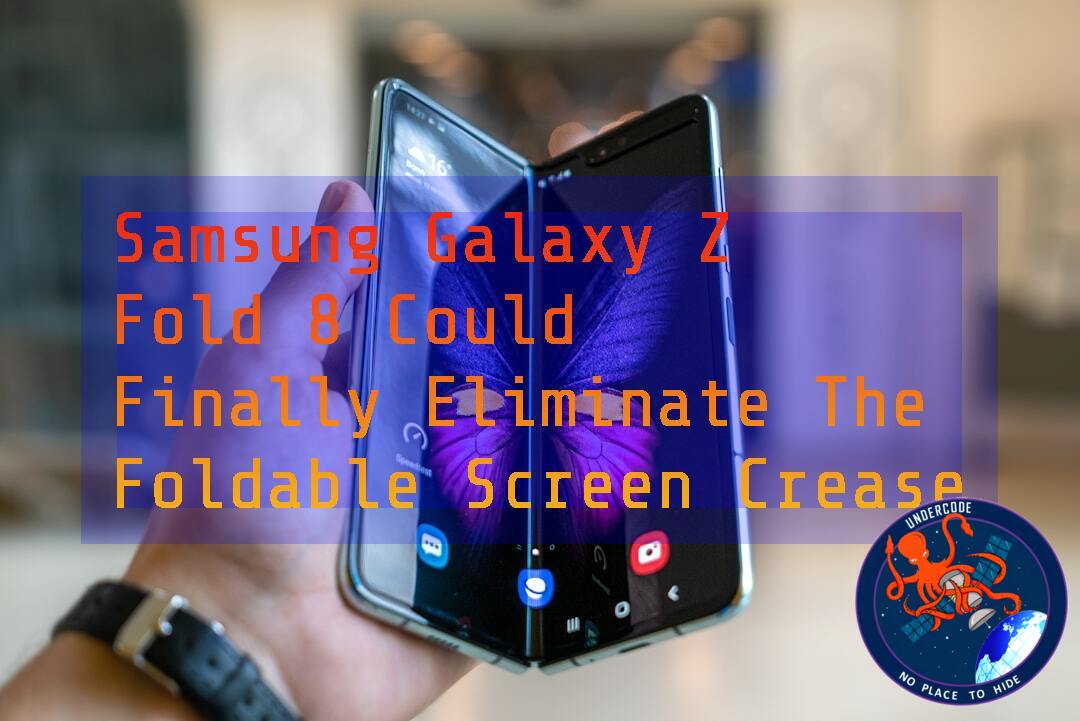
Samsung’s next generation of foldable smartphones may solve one of the biggest complaints users have had for years: the visible crease in the middle of the display. New leaks suggest the upcoming Galaxy Z Fold 8 lineup will feature dramatically improved crease control, potentially matching the nearly invisible folding display found on OPPO’s latest premium foldable devices.
The report comes after Samsung Display accidentally showcased its advanced crease-less OLED panel during MWC 2026, sparking major speculation about the future of Samsung’s foldable hardware. Now, trusted insiders believe the technology is finally ready for mass production and could debut in both the Galaxy Z Fold 8 and Galaxy Z Fold 8 Ultra later this year.
For Samsung, this is more than just a cosmetic improvement. Foldable devices have evolved rapidly in performance and durability, but the screen crease remained a constant reminder that the technology was still imperfect. If these rumors are accurate, Samsung may finally close the gap between concept and reality.
Edit
Samsung’s upcoming Galaxy Z Fold 8 series is shaping up to be one of the company’s most important foldable launches in years. According to new industry leaks, Samsung has significantly improved crease control technology for its next foldable OLED panels, bringing the visual quality close to what OPPO achieved with the Find N6.
The information surfaced after Samsung Display unintentionally revealed its advanced crease-less OLED panel during Mobile World Congress earlier this year. The panel immediately drew attention from analysts and smartphone enthusiasts because the crease appeared dramatically less visible compared to previous Galaxy Fold generations.
Reliable leaker Ice Universe claims the Galaxy Z Fold 8 lineup could offer crease performance nearly identical to OPPO’s Find N6. OPPO had heavily promoted its own crease-reduction technology during launch events, emphasizing a high-resolution 3D printing process used internally to smooth uneven areas beneath the flexible display.
If Samsung manages to replicate or surpass this achievement, it would represent a major turning point for foldable phones. The display crease has long been one of the few remaining compromises preventing foldables from feeling truly seamless.
Both the Galaxy Z Fold 8 and Galaxy Z Fold 8 Ultra are expected to use Samsung Display’s next-generation OLED panels. However, reports indicate that Samsung may not include the Privacy Display technology introduced earlier this year with the Galaxy S26 Ultra. That feature reportedly remains exclusive to Samsung’s flagship slab-style devices for now.
The standard Galaxy Z Fold 8 is rumored to adopt a wider screen aspect ratio compared to previous Fold models. This change could make the device feel more natural when closed, addressing years of criticism about Samsung’s narrow outer display design.
Leaks also suggest the standard Fold 8 may ship with only two rear cameras alongside a 4,800mAh battery. While some users may see the camera reduction as disappointing, Samsung could be prioritizing thinner hardware and internal structural improvements instead.
Meanwhile, the Galaxy Z Fold 8 Ultra appears positioned as the true premium flagship in the lineup. The device is expected to retain Samsung’s classic Fold aspect ratio while featuring a larger 5,000mAh battery. Industry watchers believe the Ultra variant could also receive enhanced camera hardware and exclusive software features.
Competition in the foldable market has intensified dramatically over the past two years. Chinese manufacturers such as OPPO, Honor, and Huawei have aggressively pushed thinner designs, larger batteries, and more refined hinge mechanisms. Samsung, once considered untouchable in the foldable category, has recently faced pressure to innovate faster.
The reduced crease technology may therefore be more important than many consumers realize. Beyond aesthetics, a less visible crease often signals stronger hinge engineering, better stress distribution, and improved display longevity.
Samsung’s challenge now is execution. Foldable devices remain expensive, and customers increasingly expect premium engineering with minimal compromises. If the Galaxy Z Fold 8 successfully delivers a near-invisible crease while maintaining durability, it could reestablish Samsung as the undisputed leader of the foldable smartphone industry.
What Undercode Says:
Edit
Samsung’s foldable strategy is entering a critical phase. For years, the company dominated the foldable smartphone market simply because competitors were either too late or too limited globally. That advantage is disappearing quickly.
Chinese smartphone brands are no longer experimenting with foldables. They are refining them aggressively. OPPO, Honor, Vivo, and Huawei have shifted the industry conversation away from “Can foldables work?” toward “Which foldable feels the most premium?” Samsung can no longer rely purely on brand recognition.
The display crease issue became symbolic of Samsung’s stagnation in foldables. Every generation improved durability slightly, but visually the center crease remained obvious under lighting conditions. Consumers started noticing that Chinese competitors were quietly solving the problem faster.
If Samsung truly introduces a near crease-less OLED panel, this launch becomes much bigger than a yearly hardware refresh. It becomes a response to mounting competitive pressure.
Interestingly, Samsung Display accidentally revealing the panel during MWC may have actually benefited the company. The leak generated excitement months before launch and shifted online conversations away from criticism toward anticipation.
The rumored wider aspect ratio on the standard Galaxy Z Fold 8 is also strategically important. Users consistently complained that earlier Fold devices felt too narrow when folded shut. Samsung appears to be acknowledging that usability matters just as much as futuristic design.
Another detail worth watching is the reported camera downgrade on the standard Fold 8. Reducing the number of rear cameras could indicate Samsung is reallocating internal space for hinge mechanics, thermal improvements, or battery efficiency. Foldables constantly face engineering trade-offs because every millimeter inside the chassis matters.
The Ultra variant tells another story entirely. Samsung may be splitting its foldable lineup into two audiences:
Mainstream productivity users wanting a refined foldable experience.
Premium power users demanding flagship specs regardless of cost.
That mirrors the strategy already used in Samsung’s Galaxy S Ultra lineup.
Battery size improvements are equally important. Foldable devices traditionally struggle with battery density because the hinge consumes valuable internal space. A 5,000mAh battery in the Fold 8 Ultra would signal major advancements in internal component stacking.
The biggest challenge remains pricing. Foldables still occupy a niche partly because consumers hesitate to spend premium laptop-level money on devices they fear may age poorly. A reduced crease helps psychologically because the phone feels less experimental and more polished.
Samsung also needs software optimization to keep pace. Hardware alone will not win this market anymore. Chinese competitors are rapidly improving multitasking interfaces, app continuity, split-screen features, and AI-assisted workflows.
There is another hidden implication behind crease reduction technology: durability perception. Even if the device survives years of folding, users subconsciously associate visible creases with material weakness. Removing that visual flaw makes the entire product appear stronger and more mature.
From a manufacturing perspective, Samsung’s OLED division likely views this technology as critical for future devices beyond smartphones. Crease-less flexible displays could eventually influence tablets, laptops, automotive dashboards, and mixed reality hardware.
The foldable market itself is also changing direction. Early adopters already bought foldables years ago. The next phase requires convincing regular consumers that foldables are no longer fragile experiments.
That means the Galaxy Z Fold 8 launch could become one of Samsung’s most important hardware moments since the original Galaxy Fold debuted. Expectations are no longer about innovation alone. Users now demand refinement.
Deep analysis :
Example Android ADB diagnostics for foldable devices
adb shell dumpsys display
adb shell wm size
adb shell dumpsys SurfaceFlinger
Monitor refresh rate behavior
adb shell settings get system peak_refresh_rate
Battery diagnostics
adb shell dumpsys battery
adb shell dumpsys batterystats
Thermal monitoring during fold/unfold stress tests
adb shell dumpsys thermalservice
GPU rendering diagnostics
adb shell dumpsys gfxinfo
Samsung foldable display logs
adb logcat | grep -i fold
Frame latency analysis
adb shell dumpsys SurfaceFlinger --latency
Monitor hinge sensor events
adb shell getevent -lt
Display panel information
adb shell dumpsys display | grep mDisplayDeviceInfo
The foldable industry is now entering its refinement era rather than its experimentation era. Samsung knows it cannot afford incremental upgrades forever. Consumers have started comparing foldables directly against traditional flagship phones instead of treating them as futuristic novelties.
If the Galaxy Z Fold 8 successfully minimizes the crease while improving usability and battery life, Samsung could regain momentum very quickly. But if competitors launch even thinner, cheaper, and more polished alternatives within the same release window, Samsung’s dominance could weaken further.
The next six months may determine whether Samsung remains the face of foldable smartphones or becomes just another participant in an increasingly crowded premium market.
🔍 Fact Checker Results
✅ Multiple leaks and insider reports support claims that Samsung is developing a nearly crease-less OLED panel for the Galaxy Z Fold 8 lineup.
✅ Samsung Display did showcase advanced foldable OLED technology during MWC 2026, fueling speculation around the Fold 8 series.
❌ Samsung has not officially confirmed final hardware specifications, battery sizes, or camera configurations yet.
📊 Prediction
Samsung’s crease reduction technology will likely become the main marketing feature of the Galaxy Z Fold 8 series.
Foldable phones could see mainstream adoption increase significantly if durability perception improves alongside design refinement.
Premium pricing may still prevent foldables from overtaking traditional flagship smartphones in total market share during 2026.
▶️ Related Video (84% Match):
🕵️📝Let’s dive deep and fact‑check.
References:
Reported By: www.sammobile.com
Extra Source Hub (Possible Sources for article):
https://www.linkedin.com
Wikipedia
OpenAi & Undercode AI
Image Source:
Unsplash
Undercode AI DI v2
Bing
🎓 Live Courses & Certifications:
Join Undercode Academy for Verified Certifications
🚀 Request a Custom Project:
Secure, high-velocity infrastructure and disruptive technological engineering. Contact our engineering team for high-tier development and proprietary systems:
[email protected]
🔐JOIN OUR CYBER WORLD [ CVE News • HackMonitor • UndercodeNews ]
📢 Follow UndercodeNews & Stay Tuned:
𝕏 formerly Twitter 🐦 | @ Threads | 🔗 Linkedin | 🦋BlueSky | 🐘Mastodon | 📺Youtube


