
Listen to this Post
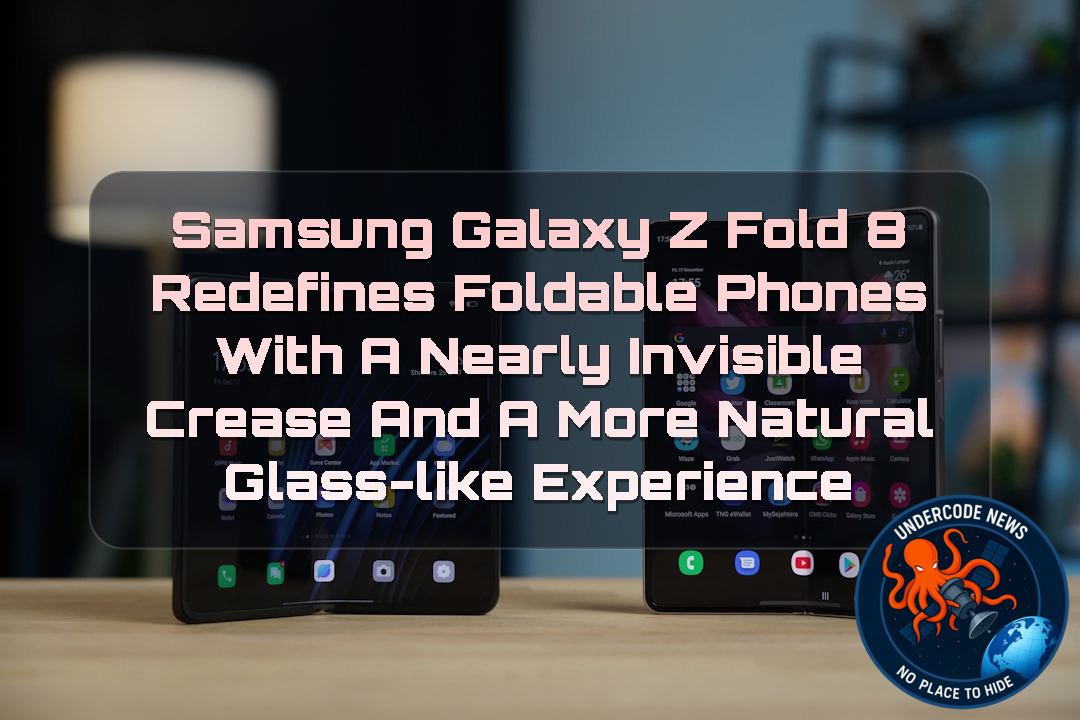 🎯 Introduction: The Foldable Future Finally Feels More Real
For years, foldable smartphones have carried one unavoidable weakness: the crease. While companies have improved durability, performance, and camera technology, the visible line running through flexible displays remained a reminder that these devices were still different from traditional smartphones.
Samsung is now attempting to change that perception with the Galaxy Z Fold 8 and Galaxy Z Fold 8 Ultra. The company’s latest book-style foldables introduce a redesigned hinge architecture that focuses on one major goal, making the folding screen feel less like a flexible experiment and more like a premium glass display.
The new Armor FlexHinge and Flex Titanium systems represent Samsung’s latest effort to solve one of the biggest challenges in foldable technology. Instead of simply making the device thinner or more powerful, Samsung is targeting the emotional experience of using the phone. A foldable device should not constantly remind users that the screen bends. It should feel natural, smooth, and almost invisible.
Samsung’s New Foldable Strategy Focuses on Eliminating the Crease Problem
Samsung has officially introduced its Galaxy Z Fold 8 lineup with two new book-style foldable smartphones. Both models feature an advanced hinge mechanism designed to reduce display deformation and create a flatter, more traditional smartphone-like viewing experience.
The company’s goal is clear: remove one of the biggest psychological barriers preventing mainstream users from adopting foldable phones.
Previous Galaxy Z Fold generations improved significantly over time, but the display crease remained noticeable under certain lighting conditions. Many users accepted it as a compromise for having a large folding screen, but Samsung appears determined to make that compromise much smaller.
The Galaxy Z Fold 8 and Galaxy Z Fold 8 Ultra reportedly deliver a crease that is barely visible during normal usage. Only under specific conditions, such as placing the phone directly beneath a strong light source while the inner display is turned off, does the fold line become clearly noticeable.
A New Hinge Design Makes the Screen Feel More Like Glass
The biggest upgrade behind this improvement is Samsung’s redesigned hinge technology.
The new Armor FlexHinge and Flex Titanium systems combine multiple advanced materials, including titanium-alloy film, titanium reinforcement plates, and micro-patterned structures. These components work together to distribute pressure more evenly across the folding display.
Traditional foldable screens require flexible OLED panels that bend repeatedly. However, every fold creates mechanical stress that can eventually affect the appearance of the display. Samsung’s new approach attempts to reduce those stress points.
By improving support beneath the OLED panel, the company reduces the visible distortion caused by folding. The result is a screen surface that feels smoother when touched and appears closer to a conventional smartphone display protected by glass.
Samsung Removes the Air Gap Challenge Inside Foldable Displays
One of the important engineering improvements in the Galaxy Z Fold 8 series involves reducing internal air gaps between display components.
In older foldable designs, microscopic spaces between layers could contribute to a less rigid feeling compared with traditional smartphones. Samsung’s updated structure attempts to create a tighter connection between the OLED panel and supporting layers.
This creates several advantages:
A flatter-looking display surface.
Improved touch interaction.
Reduced crease visibility.
A more premium feeling when using the inner screen.
The difference may seem small when reading specifications, but it can significantly change how users perceive the device in daily life.
A smartphone is not only judged by processing power or camera quality. The feeling of touching the display is one of the most important parts of the user experience.
Opening and Closing the Galaxy Z Fold 8 Becomes Easier
Samsung also focused on improving the physical movement of the hinge.
The company claims the new hinge mechanism allows the Galaxy Z Fold 8 and Galaxy Z Fold 8 Ultra to open and close more smoothly compared with previous generations.
A better hinge is not only about durability. It affects how comfortable the device feels during everyday tasks.
Users frequently open foldable phones dozens of times per day:
Checking notifications.
Switching between applications.
Watching videos.
Taking notes.
Using multitasking features.
A smoother hinge reduces friction between the user and the technology, making the foldable experience feel more natural.
The New Hinge Comes With Some Trade-Offs
Although Samsung has improved crease reduction and movement, the new hinge design introduces some limitations.
The standard Galaxy Z Fold 8 cannot remain open at multiple angles like previous generations. This flexibility was one of the useful features of earlier Fold models because users could position the phone like a miniature laptop.
The Galaxy Z Fold 8 Ultra maintains some angle flexibility, but its usable range is narrower compared with the Galaxy Z Fold 7.
This shows the difficult engineering balance behind foldable phones.
Manufacturers must constantly choose between:
Maximum flexibility.
Stronger structural support.
Thinner designs.
Better crease control.
Long-term durability.
Improving one area can sometimes reduce performance in another.
Galaxy Z Fold 8 Represents Samsung’s Battle for Foldable Mainstream Adoption
Samsung helped create the modern foldable smartphone market, but competition has increased significantly.
Companies around the world are experimenting with different approaches, including thinner designs, larger displays, stronger materials, and improved hinge systems.
The biggest challenge is no longer proving that foldable phones are possible.
The challenge is convincing everyday smartphone users that foldables are better than traditional phones.
A nearly invisible crease could become one of the most important steps toward achieving that goal.
If users stop noticing the folding mechanism, the technology becomes less of a novelty and more of a natural evolution of the smartphone.
What Undercode Say:
Samsung’s Galaxy Z Fold 8 improvements represent a major shift in foldable smartphone engineering.
The company is no longer only competing through specifications.
The real competition is happening at the level of user perception.
A smartphone is an emotional device.
People interact with the screen hundreds of times every day.
Any physical limitation becomes part of the relationship between the user and the product.
The foldable crease has always represented unfinished technology.
Even when performance was excellent, the visible line reminded users that flexible displays were still developing.
Samsung’s new hinge strategy attacks this psychological barrier.
The Armor FlexHinge design shows that future smartphone innovation may depend less on adding features and more on removing distractions.
The best technology often becomes invisible.
A user should not think about the hinge.
A user should not notice the folding mechanism.
A user should simply experience a larger, more powerful screen.
The Galaxy Z Fold 8 appears designed around this philosophy.
The titanium components suggest Samsung is prioritizing durability and structural stability.
The micro-pattern technology indicates that small engineering changes can create major improvements in everyday interaction.
The reduced air gap between display layers is especially important.
Foldable screens have historically struggled because they require flexibility while maintaining premium rigidity.
Traditional smartphones benefit from glass panels that provide a solid surface.
Foldables must create a similar feeling while allowing repeated movement.
Samsung’s solution shows that the future of foldable devices will likely depend on material science as much as software innovation.
However, the hinge angle limitations reveal that foldable engineering remains a compromise.
There is still no perfect design.
A stronger hinge may reduce flexibility.
A thinner body may reduce internal space.
A flatter display may require different mechanical structures.
The next generation of foldables will likely continue balancing these competing demands.
From a market perspective, Samsung understands that mainstream adoption requires reducing visible weaknesses.
Most consumers do not reject foldables because they lack performance.
They reject them because they feel different.
The Galaxy Z Fold 8 attempts to make that difference disappear.
If Samsung succeeds, foldable smartphones could move from premium experiments into everyday devices.
The future battle will not only be about who creates the biggest folding screen.
It will be about who creates the most natural experience.
The company that makes foldables feel normal could dominate the next era of mobile computing.
Deep Analysis: Testing Foldable Technology Concepts With Linux Commands
Checking Hardware Information
Linux users analyzing smartphone hardware connections can inspect device information using:
lsusb
This command displays connected hardware devices and helps identify communication interfaces.
Monitoring Android Device Connection
When testing foldable devices through development environments:
adb devices
This verifies whether the smartphone is recognized by the computer.
Checking System Performance
Engineers can monitor device performance using:
top
or:
htop
These commands show processor usage, memory consumption, and active processes.
Reviewing Android Logs
Developers analyzing hinge sensors and system behavior can use:
adb logcat
This provides real-time system logs from the Android operating environment.
Checking Storage and System Partitions
To inspect available storage:
df -h
This helps evaluate how system resources are being used.
Monitoring Hardware Sensors
Foldable phones rely heavily on sensors. Developers can inspect hardware communication with:
cat /proc/cpuinfo
and:
cat /proc/meminfo
These commands reveal processor and memory information.
Future Foldable Engineering Testing
Future smartphone research environments may combine:
python3 analyze_display.py
with machine learning models to study:
Display stress patterns.
Hinge movement.
Material fatigue.
Touch response accuracy.
The next generation of foldable phones will likely depend on software analysis as much as mechanical engineering.
✅ Samsung introduced new hinge technology focused on reducing Galaxy Z Fold 8 display crease visibility and improving the folding experience.
✅ Titanium-based reinforcement and redesigned hinge structures are key elements in improving foldable durability and screen flatness.
❌ Claims that the crease has been completely eliminated are inaccurate, as it can still appear under specific lighting conditions.
Prediction
(+1) Samsung’s improved hinge technology could accelerate mainstream foldable adoption by making devices feel closer to traditional smartphones.
Future Galaxy Z Fold models may continue reducing crease visibility until it becomes almost impossible to notice during normal use.
Improved materials like titanium reinforcement could increase consumer confidence in foldable durability.
Competitors may respond with their own advanced hinge systems, creating faster innovation across the entire smartphone industry.
Samsung may still face challenges because foldable devices remain more expensive than conventional flagship smartphones.
Limited hinge positioning compared with previous models could disappoint some power users who rely on flexible viewing angles.
Mechanical complexity will remain a major challenge as manufacturers attempt to create thinner and stronger foldable phones.
The Future of Foldable Smartphones Depends on Making Folding Invisible
Samsung’s Galaxy Z Fold 8 series represents a new phase in foldable smartphone development.
The goal is no longer simply creating a phone that folds.
The goal is creating a phone where users forget it folds.
By reducing crease visibility, improving hinge movement, and creating a more glass-like display experience, Samsung is addressing the biggest weakness of foldable technology.
The future of smartphones may not be defined by larger screens or faster processors alone.
It may be defined by technology that disappears into the experience.
And with the Galaxy Z Fold 8, Samsung is taking another major step toward making foldable phones feel completely natural.
▶️ Related Video (70% Match):
🕵️📝Let’s dive deep and fact‑check.
🎓 Live Courses & Certifications:
Join Undercode Academy for Verified Certifications
🚀 Request a Custom Project:
Secure, high-velocity infrastructure and disruptive technological engineering. Contact our engineering team for high-tier development and proprietary systems:
[email protected]
💎 Smart Architecture | 🛡️ Secure by Design | ⭐ Trusted by Thousands
References:
Reported By: www.sammobile.com
Extra Source Hub (Possible Sources for article):
https://www.linkedin.com
Wikipedia
OpenAi & Undercode AI
Image Source:
Unsplash
Undercode AI DI v2
🔐JOIN OUR CYBER WORLD [ CVE News • HackMonitor • UndercodeNews ]
📢 Follow UndercodeNews & Stay Tuned:
𝕏 formerly Twitter 🐦 | @ Threads | 🔗 Linkedin | 🦋BlueSky | 🐘Mastodon | 📺Youtube


