Listen to this Post
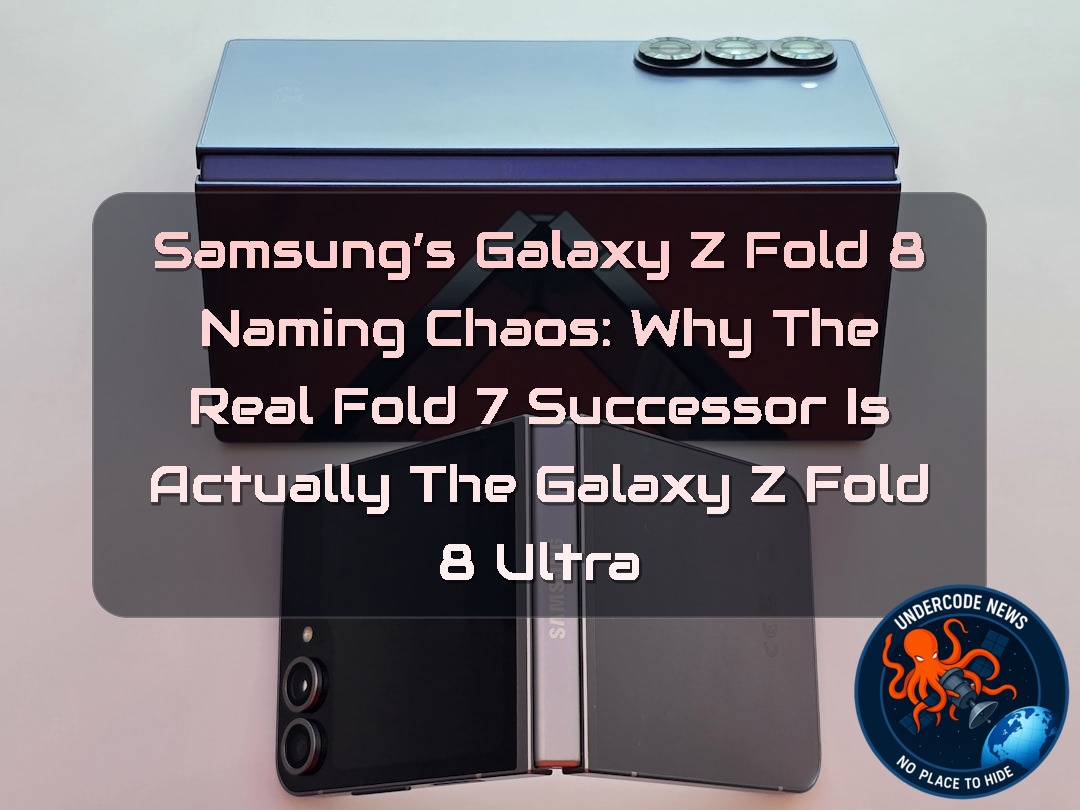 A New Era for Samsung Foldables Begins With Confusion
Samsung has spent years building the Galaxy Z Fold brand into one of the most recognizable names in the foldable smartphone industry. However, with the arrival of the Galaxy Z8 family in 2026, the company has unexpectedly changed the rules of its own naming system.
For many customers, upgrading from a Galaxy Z Fold 7 seemed simple. The obvious expectation was that the Galaxy Z Fold 8 would be the direct successor, bringing improvements while keeping the familiar design philosophy. Instead, Samsung created a surprising split in the lineup.
The company introduced three major foldable models, including the Galaxy Z Flip 8, Galaxy Z Fold 8, and Galaxy Z Fold 8 Ultra. While the Galaxy Z Flip 8 follows a traditional upgrade path, the standard Galaxy Z Fold 8 represents a completely different direction. The true replacement for the Galaxy Z Fold 7 is not the Fold 8, but the Galaxy Z Fold 8 Ultra.
Samsung’s decision creates a strange situation where the name that sounds like the normal successor is actually a new branch of the family, while the Ultra model carries the legacy of the original Fold series.
Samsung Rebuilds the Galaxy Fold Family Structure
A Three-Model Foldable Strategy
Samsung’s Galaxy Z8 lineup marks a major change from previous years. Instead of maintaining two primary foldables, the company expanded the Fold family with a new structure.
The 2026 lineup includes:
Galaxy Z Flip 8
Galaxy Z Fold 8
Galaxy Z Fold 8 Ultra
The company also continues to experiment with specialized models such as the Galaxy Z TriFold and regional Fold Special Edition devices.
At first glance, this looks like a simple expansion. However, the naming hierarchy creates unexpected confusion because Samsung has changed what each product represents.
Previously, customers understood the Fold series as a straightforward progression:
Galaxy Z Fold 5 → Galaxy Z Fold 6 → Galaxy Z Fold 7 → Galaxy Z Fold 8
Samsung has now broken that pattern.
The Galaxy Z Fold 8 Is Not the Fold 7 Replacement
A Different Vision Instead of a Traditional Upgrade
The biggest misunderstanding surrounding Samsung’s new lineup is the assumption that the Galaxy Z Fold 8 replaces the Galaxy Z Fold 7.
It does not.
The standard Galaxy Z Fold 8 introduces a different philosophy. Samsung redesigned the device around a wider, passport-style aspect ratio, creating a foldable experience that feels closer to a compact tablet or productivity device.
The design change targets users who want a different type of foldable experience rather than loyal Fold customers looking for the next generation of the classic design.
The device also features two rear cameras instead of following the camera approach found on the previous Fold flagship models.
This makes the Galaxy Z Fold 8 more like a new category inside the Fold family rather than a direct upgrade.
The Galaxy Z Fold 8 Ultra Is the True Fold 7 Successor
Samsung Moves the Flagship Identity to Ultra
For existing Galaxy Z Fold 7 owners, the upgrade path is clear once Samsung’s naming strategy is understood.
The Galaxy Z Fold 8 Ultra is the real successor.
The Ultra model keeps the familiar book-style foldable design that Fold fans already know. Instead of replacing the traditional Fold experience, Samsung refined it with stronger hardware, improved durability, and display enhancements.
The device reportedly brings:
A thinner body compared with the Galaxy Z Fold 7
A new Snapdragon processor
A 50MP ultra-wide camera
A 5,000mAh battery
45W wired charging
20W wireless charging
Improved foldable display technology
Samsung essentially transformed the original Fold identity into an Ultra-class product.
Flex Titanium Technology Targets Foldable Weaknesses
Samsung Focuses on Durability and Long-Term Reliability
One of the biggest challenges facing foldable smartphones has always been durability.
Samsung’s new Flex Titanium technology aims to address one of the biggest complaints from foldable users: the visible crease.
The Galaxy Z Fold 8 Ultra introduces improvements designed to reduce crease visibility and improve the lifespan of the folding mechanism.
The display reportedly reaches up to 3,000 nits brightness while adding an anti-reflective coating for better outdoor visibility.
These upgrades show Samsung’s focus on making foldables feel less experimental and more like mainstream premium smartphones.
Samsung’s Naming Decision Creates Customer Confusion
Innovation Versus Simplicity
Product naming is more important than many technology companies realize.
A customer walking into a store expects the newest number to represent the newest version of the previous product. Samsung’s strategy breaks that expectation.
Someone upgrading from a Galaxy Z Fold 7 could purchase a Galaxy Z Fold 8 believing they are getting a direct replacement, only to discover they bought a completely different device philosophy.
The problem is not the technology itself. The problem is communication.
Samsung may understand the difference internally, but average consumers do not always follow product positioning strategies.
The Galaxy Z Fold 8 Ultra name may accurately describe Samsung’s premium positioning, but placing the familiar Fold 8 name on another product creates unnecessary uncertainty.
Apple’s Future Foldable Strategy Adds More Pressure
Samsung May Be Preparing for the Next Foldable Battle
Another reason the Galaxy Z Fold 8’s wider design is attracting attention is speculation surrounding Apple’s first foldable iPhone.
Industry observers expect Apple may also explore a wider foldable design similar to a passport-style form factor.
Samsung’s decision could represent an attempt to capture a new market segment before Apple enters the category.
By creating multiple foldable identities, Samsung can target different customers:
Traditional Fold users with the Fold 8 Ultra
New foldable buyers with the Fold 8
Compact foldable fans with the Flip 8
This strategy gives Samsung flexibility but increases the challenge of explaining the lineup.
What Undercode Say:
Samsung’s Fold Strategy Shows the Future and the Risk of Fragmentation
Samsung is no longer simply upgrading foldable phones.
The company is experimenting with market segmentation.
The Galaxy Z Fold 8 family represents a shift from yearly upgrades toward specialized product categories.
The traditional smartphone industry follows predictable naming patterns.
Consumers understand that iPhone 15 becomes iPhone 16.
Galaxy S25 becomes Galaxy S26.
Foldables are different because the technology is still evolving.
Samsung appears to believe that one Fold device cannot satisfy every premium user.
The Fold 8 Ultra protects the loyal customer base.
The standard Fold 8 attracts users who want a new shape.
The Flip series continues targeting mainstream foldable buyers.
From a business perspective, this makes sense.
Samsung is trying to create a foldable ecosystem rather than a single flagship product.
However, the biggest challenge is customer education.
Technology enthusiasts will understand the difference.
Average buyers may not.
A confused customer is a lost customer.
Samsung must communicate the lineup more clearly through marketing, store displays, and online comparisons.
The Ultra branding also raises another question.
Does every premium device deserve the Ultra label?
Samsung has traditionally used Ultra branding for maximum specifications.
If the Fold 8 Ultra becomes the true successor to the Fold 7, then the branding works.
But if the standard Fold 8 introduces a completely new experience, Samsung needs to explain why it carries the main number.
The foldable market is entering a more mature phase.
Hardware improvements are becoming incremental.
The next battlefield is user experience.
Aspect ratios, durability, software optimization, and artificial intelligence features will define success.
Samsung understands that foldables cannot remain niche forever.
The company needs multiple models to attract different audiences.
But the naming strategy must evolve with the hardware strategy.
A powerful product can fail if customers cannot understand what it represents.
The Galaxy Z Fold 8 family is a preview of the future of foldables.
More choices.
More designs.
More competition.
But also more confusion.
Samsung’s biggest challenge is no longer building foldable phones.
It is explaining them.
Deep Analysis: Investigating Foldable Device Information With Linux Commands
Checking Device Specifications From Collected Data
grep -i "Galaxy Z Fold 8" smartphone_database.txt
Searching Hardware Upgrade Information
grep -iE "Snapdragon|battery|camera|display" foldable_specs.txt
Comparing Previous Fold Generations
diff Galaxy_Z_Fold_7.txt Galaxy_Z_Fold_8_Ultra.txt
Monitoring Product Naming Changes
grep -i "branding" samsung_strategy.log
Extracting Technical Keywords
awk '{print $1,$2,$3}' foldable_report.txt
Creating a Simple Hardware Comparison Dataset
cat fold_models.txt | sort | uniq
Searching Consumer Feedback Trends
grep -i "confusing|upgrade|successor" customer_reviews.txt
These commands demonstrate how researchers can organize technical information, compare generations, and analyze product strategy changes using simple data-processing methods.
✅ Samsung changed the Galaxy Z Fold lineup structure by introducing multiple Fold models, creating a more complex naming system.
✅ The Galaxy Z Fold 8 Ultra is positioned as the direct successor for users upgrading from the traditional Fold series.
❌ The Galaxy Z Fold 8 name alone does not represent a simple yearly replacement of the Galaxy Z Fold 7, because Samsung created a separate product direction.
Prediction
(+1) Positive Outlook for Samsung’s Foldable Expansion
Samsung’s multi-model foldable strategy could help attract more customers by offering different designs for different needs.
The Galaxy Z Fold 8 Ultra could strengthen Samsung’s premium foldable position by improving durability, displays, and performance.
Wider foldable designs may become more popular if competitors, including Apple, enter the market.
The confusing naming system may create hesitation among customers who expect simple product upgrades.
Samsung could face criticism if buyers struggle to understand the difference between Fold 8 and Fold 8 Ultra.
Too many foldable variations may divide attention instead of strengthening one clear flagship identity.
▶️ Related Video (66% Match):
🕵️📝Let’s dive deep and fact‑check.
🎓 Live Courses & Certifications:
Join Undercode Academy for Verified Certifications
🚀 Request a Custom Project:
Secure, high-velocity infrastructure and disruptive technological engineering. Contact our engineering team for high-tier development and proprietary systems:
[email protected]
💎 Smart Architecture | 🛡️ Secure by Design | ⭐ Trusted by Thousands
References:
Reported By: www.sammobile.com
Extra Source Hub (Possible Sources for article):
https://www.quora.com/topic/Technology
Wikipedia
OpenAi & Undercode AI
Image Source:
Unsplash
Undercode AI DI v2
🔐JOIN OUR CYBER WORLD [ CVE News • HackMonitor • UndercodeNews ]
📢 Follow UndercodeNews & Stay Tuned:
𝕏 formerly Twitter 🐦 | @ Threads | 🔗 Linkedin | 🦋BlueSky | 🐘Mastodon | 📺Youtube