
Listen to this Post
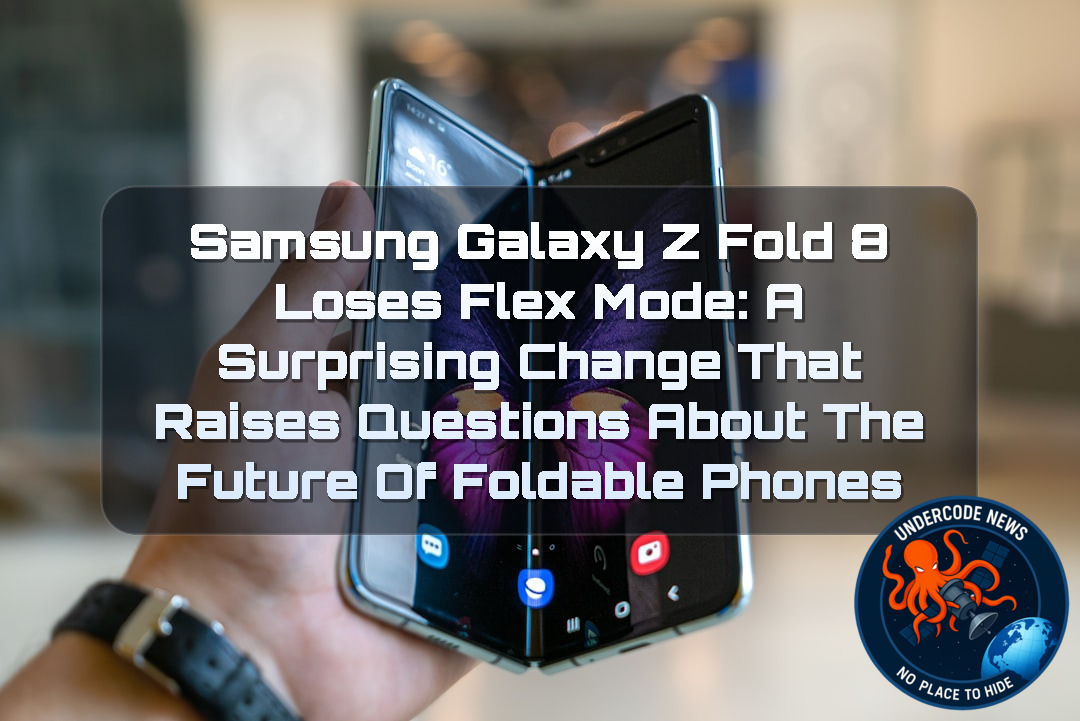 Introduction: A New Foldable Era With an Unexpected Compromise
Samsung has spent years defining the modern foldable smartphone experience, turning flexible displays from an experimental concept into a mainstream premium category. Since the launch of the original Galaxy Z Flip, one feature has represented the unique identity of Samsung foldables: Flex Mode.
The ability to partially fold a device, place it at different angles, and allow the software interface to intelligently adapt created a new way of interacting with smartphones. It transformed the hinge from a simple mechanical component into a productivity tool.
However, Samsung’s latest Galaxy Z Fold 8 lineup introduces an unexpected decision. While the Galaxy Z Fold 8 Ultra and Galaxy Z Flip 8 continue supporting Flex Mode, the standard Galaxy Z Fold 8 reportedly removes the feature completely.
The change does not eliminate the physical ability to partially fold the phone, but it removes the software intelligence that made the folded position useful. This decision has created discussions among Samsung fans about whether the company is simplifying its foldable lineup or quietly changing its vision for future devices.
Samsung Removes Flex Mode From Galaxy Z Fold 8
The Galaxy Z Fold 8 still features a hinge capable of holding the display at different angles. Users can physically open the device halfway, creating a laptop-style form factor. However, unlike previous generations, the software no longer recognizes this position as a special interaction mode.
Samsung’s Flex Mode interface, introduced with the Galaxy Z Flip in 2020, previously adjusted applications automatically when the phone was partially folded. Certain apps could move controls to the lower half of the display while using the upper half for viewing content.
For example, users could place the phone on a table while watching videos, taking photos, making video calls, or controlling media without needing an external stand.
On the Galaxy Z Fold 8, this experience appears to be missing.
Settings Confirmation Reveals the Missing Feature
The removal of Flex Mode is not simply a hidden software limitation. Reports indicate that the Galaxy Z Fold 8 Settings application no longer contains the dedicated Flex Mode menu.
Previous Galaxy foldable devices included options that allowed users to customize how applications behaved when the phone was partially folded.
The absence of these settings strongly suggests that Samsung intentionally removed the feature rather than accidentally disabling it.
This means the Galaxy Z Fold 8’s hinge remains physically flexible, but the software ecosystem no longer takes advantage of that flexibility.
Why Would Samsung Remove Such an Important Foldable Feature?
Samsung has not officially explained why Flex Mode was removed from the Galaxy Z Fold 8. However, several possible reasons could explain the decision.
One possibility is the different design philosophy behind the Galaxy Z Fold 8. Unlike the Galaxy Z Flip series, which naturally benefits from standing at multiple angles, the larger Fold format may prioritize different productivity features.
The internal display size, weight balance, hinge design, and user behavior could have influenced Samsung’s decision.
Another possibility is that Samsung is separating product identities. The company may want the Galaxy Z Flip series and Ultra foldable models to maintain unique experiences while positioning the standard Fold model differently.
Samsung Has Removed Flex Mode Before
The Galaxy Z Fold 8 is not the first Samsung foldable device to lack Flex Mode.
The Galaxy Z TriFold also reportedly launched without the feature, showing that Samsung is willing to experiment with different approaches for new foldable designs.
This suggests the company may not consider Flex Mode a universal requirement for every foldable smartphone.
Instead, Samsung may be evaluating which software experiences provide real value depending on the device category.
Does Losing Flex Mode Make the Galaxy Z Fold 8 Less Valuable?
For most buyers, the removal of Flex Mode may not completely change the Galaxy Z Fold 8 experience.
The device still offers a large foldable display, premium hardware, multitasking capabilities, and Samsung’s broader software ecosystem.
Many users primarily purchase foldables because of the expanded screen, improved productivity, and futuristic design rather than the hinge positioning features.
However, removing a signature foldable feature creates concerns about Samsung’s long-term software commitment.
A foldable smartphone is not only about hardware innovation. The software must evolve alongside the physical design.
Samsung Galaxy Z Fold 8 Pre-Order Details and Market Position
Samsung has opened pre-orders for the Galaxy Z Fold 8, with pricing reportedly starting around $1,899.
The device is expected to reach customers on August 7, 2026.
The Fold series continues to compete in the ultra-premium smartphone market, where customers expect not only powerful specifications but also unique experiences that justify the high price.
At this price level, every removed feature becomes more noticeable.
The Bigger Battle: Hardware Innovation Versus Software Experience
The Galaxy Z Fold 8 decision highlights a larger challenge facing the foldable smartphone industry.
Manufacturers have successfully created durable folding displays, stronger hinges, and thinner designs. The next challenge is creating software experiences that make these devices fundamentally different from traditional smartphones.
A foldable phone cannot simply be a normal phone that bends.
Its value comes from unlocking new ways to work, communicate, create, and consume content.
Features like Flex Mode represent that philosophy because they show users why a foldable device exists.
What Undercode Say:
Samsung’s decision to remove Flex Mode from the Galaxy Z Fold 8 creates an interesting discussion about the future direction of foldable technology.
Foldable smartphones have always been marketed as devices where hardware and software work together.
The hinge is not just a physical mechanism.
It represents a new interaction model.
When Samsung removes software features connected to that hardware, it raises questions about whether the company is refining the experience or reducing innovation.
The Galaxy Z Fold 8 still represents impressive engineering.
A large flexible display, advanced hinge technology, and powerful internal hardware remain major achievements.
However, premium devices are judged by the details.
Customers paying nearly $2,000 expect every unique capability to feel intentional and complete.
Flex Mode was one of those features that demonstrated the purpose of a foldable phone.
It allowed users to understand why folding mattered.
Without it, the Galaxy Z Fold 8 becomes closer to a large-screen smartphone with a flexible display rather than a completely new computing experience.
Samsung may believe that most users rarely use Flex Mode.
That could be true.
Many smartphone features are technically impressive but rarely used daily.
However, removing unique features can weaken the emotional connection between users and technology.
Innovation is not always measured by how frequently a feature is used.
Sometimes innovation exists because it changes what users believe is possible.
Samsung also faces increasing competition from companies developing aggressive foldable strategies.
Chinese manufacturers have focused on thinner designs, larger displays, and new software interactions.
If competitors continue expanding foldable capabilities while Samsung removes them, the company risks appearing less experimental.
The future of foldables will depend heavily on software.
Artificial intelligence, multitasking, adaptive interfaces, and productivity tools will likely become more important than simply improving hinges.
Samsung has the resources to create industry-leading foldable experiences.
The question is whether it will continue pushing boundaries or focus mainly on hardware refinement.
The Galaxy Z Fold 8 decision may not hurt sales immediately.
Samsung’s brand strength, ecosystem, and customer loyalty remain powerful advantages.
But long-term leadership requires maintaining a clear vision.
Foldable phones became exciting because they introduced new possibilities.
The industry must continue creating reasons for people to choose them.
The removal of Flex Mode is a small change today, but it represents a larger conversation about where foldable technology is heading tomorrow.
Deep Analysis: Examining Samsung Foldable Software and Hardware Behavior
Checking Android System Information
adb shell getprop ro.product.model
This command identifies the connected Samsung device model.
Checking Installed Samsung Foldable Features
adb shell pm list packages | grep samsung
This helps analyze Samsung-specific applications and services.
Searching for Flex Mode Components
adb shell pm list packages | grep flex
Researchers can use this command to identify whether Flex Mode-related packages exist.
Reviewing Device Configuration
adb shell dumpsys package com.samsung.android
This provides detailed information about Samsung system applications.
Monitoring System Logs During Folding Actions
adb logcat | grep -i fold
This can reveal software responses when the hinge position changes.
Checking Android Device Capabilities
adb shell getprop | grep feature
This displays hardware and software capability information.
Security and Software Research Perspective
Foldable devices depend heavily on:
Sensor accuracy
Hinge position detection
UI adaptation frameworks
Application compatibility
Android framework integration
Future foldable analysis will require monitoring how manufacturers connect physical movement with software intelligence.
✅ Samsung introduced Flex Mode with its foldable devices and has used it as a major foldable software feature.
✅ Reports indicate the Galaxy Z Fold 8 removes Flex Mode support while other Samsung foldables continue offering it.
❌ There is currently no confirmed official explanation from Samsung about why the feature was removed.
Prediction
(+1)
Samsung will likely continue improving foldable software through AI-powered adaptive interfaces instead of relying only on traditional Flex Mode features.
Future Galaxy foldables may introduce smarter contextual modes that automatically adjust based on user behavior.
The Galaxy Z Fold series will remain a major premium competitor because Samsung controls a strong hardware and software ecosystem.
Removing recognizable foldable features could create criticism among loyal Galaxy users who expect premium devices to offer more innovation.
If competitors provide richer foldable experiences, Samsung may face pressure to restore or replace missing features.
The long-term future of foldables will depend on meaningful software innovation rather than only thinner designs and stronger hinges.
▶️ Related Video (68% Match):
🕵️📝Let’s dive deep and fact‑check.
🎓 Live Courses & Certifications:
Join Undercode Academy for Verified Certifications
🚀 Request a Custom Project:
Secure, high-velocity infrastructure and disruptive technological engineering. Contact our engineering team for high-tier development and proprietary systems:
[email protected]
💎 Smart Architecture | 🛡️ Secure by Design | ⭐ Trusted by Thousands
References:
Reported By: www.sammobile.com
Extra Source Hub (Possible Sources for article):
https://www.reddit.com
Wikipedia
OpenAi & Undercode AI
Image Source:
Unsplash
Undercode AI DI v2
🔐JOIN OUR CYBER WORLD [ CVE News • HackMonitor • UndercodeNews ]
📢 Follow UndercodeNews & Stay Tuned:
𝕏 formerly Twitter 🐦 | @ Threads | 🔗 Linkedin | 🦋BlueSky | 🐘Mastodon | 📺Youtube


